Tell us about the job
Takes about a minute. No obligation.
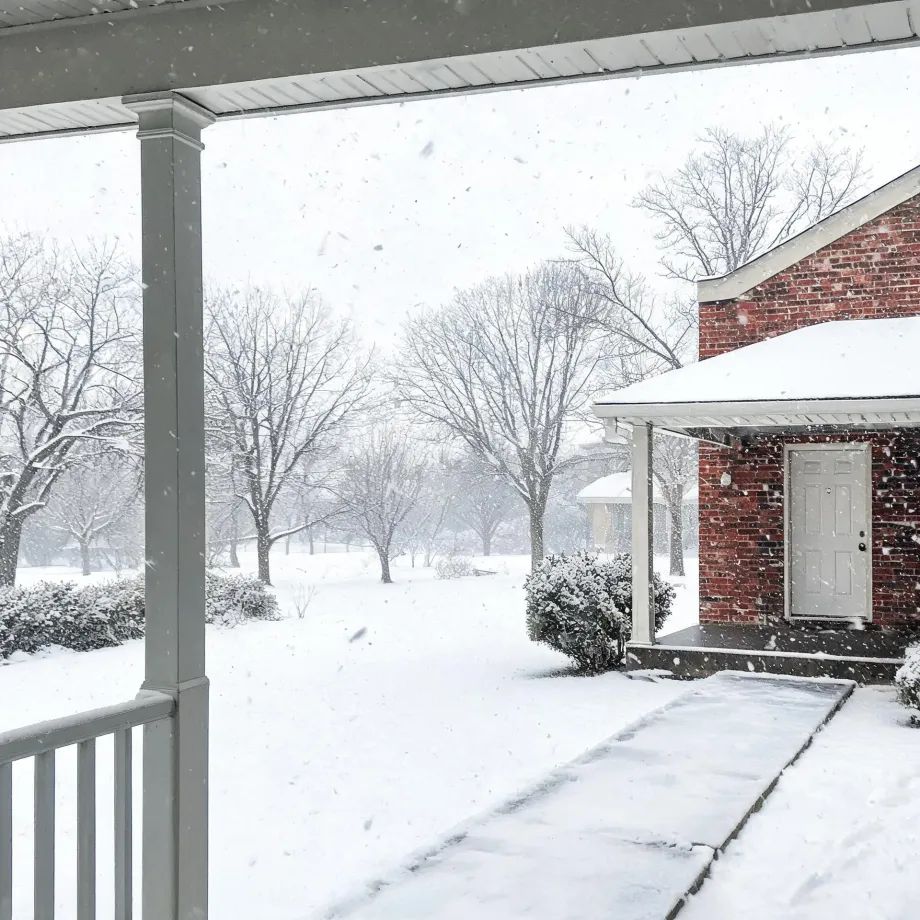
A boiler repair in Oswego County starts with the parts that cycle hardest: the burner, the ignition assembly, and the heat exchanger. Homes in Oswego County, NY run heat about eight months a year, from October through May. Across those months, the burner lights and extinguishes hundreds of times, and the ignition system takes that load every cycle. A contractor quoting a repair here checks those components first, because that is where accumulated wear shows up. Seals and expansion joints in the heat exchanger crack from repeated thermal stress, and a failed ignition component leaves the whole system cold on the first hard day of October.
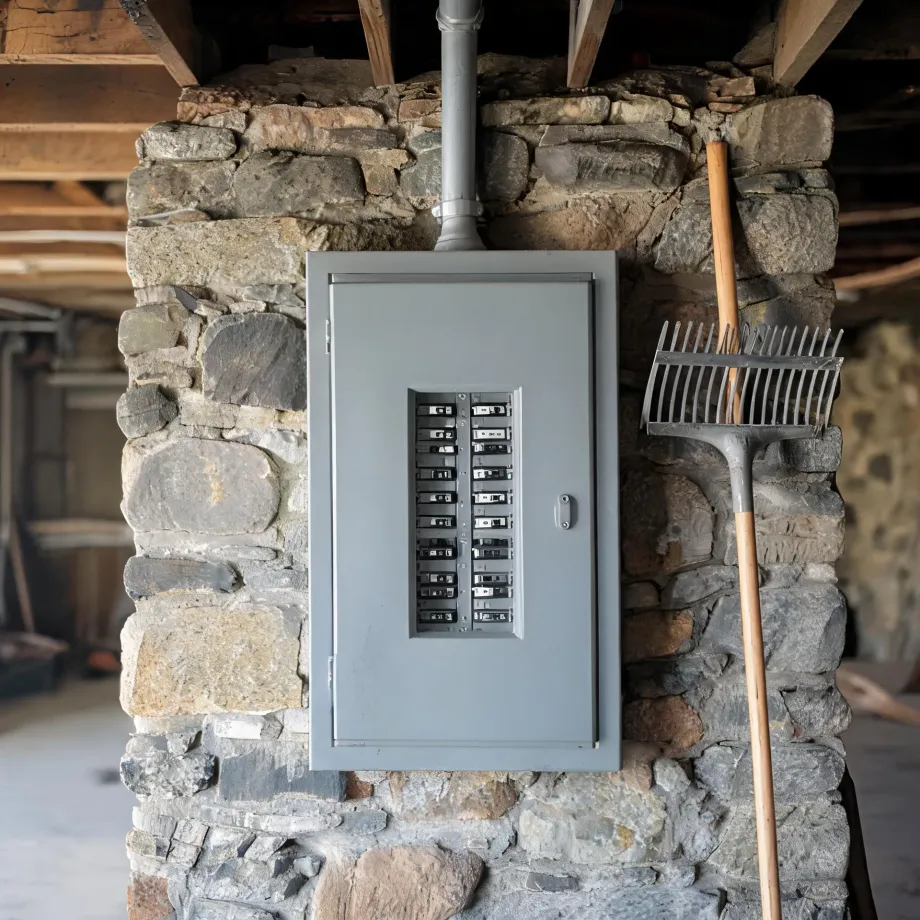
Boilers in houses this old were built to tolerances and part specifications that current supply chains have largely moved past. Half the homes in Oswego County, New York were built in 1971 or earlier (2020-2024 ACS 5-year). When a contractor opens a unit and finds a cracked heat exchanger or a failed zone valve, the repair timeline turns on whether a matching component still exists in the supply chain, not on how long the work itself takes. Fittings, gaskets, and burner assemblies from that era were made to standards that later changed, and a contractor sourcing parts for a system of this vintage checks compatibility before pricing the job.
The Parts of a Boiler a Contractor Checks First
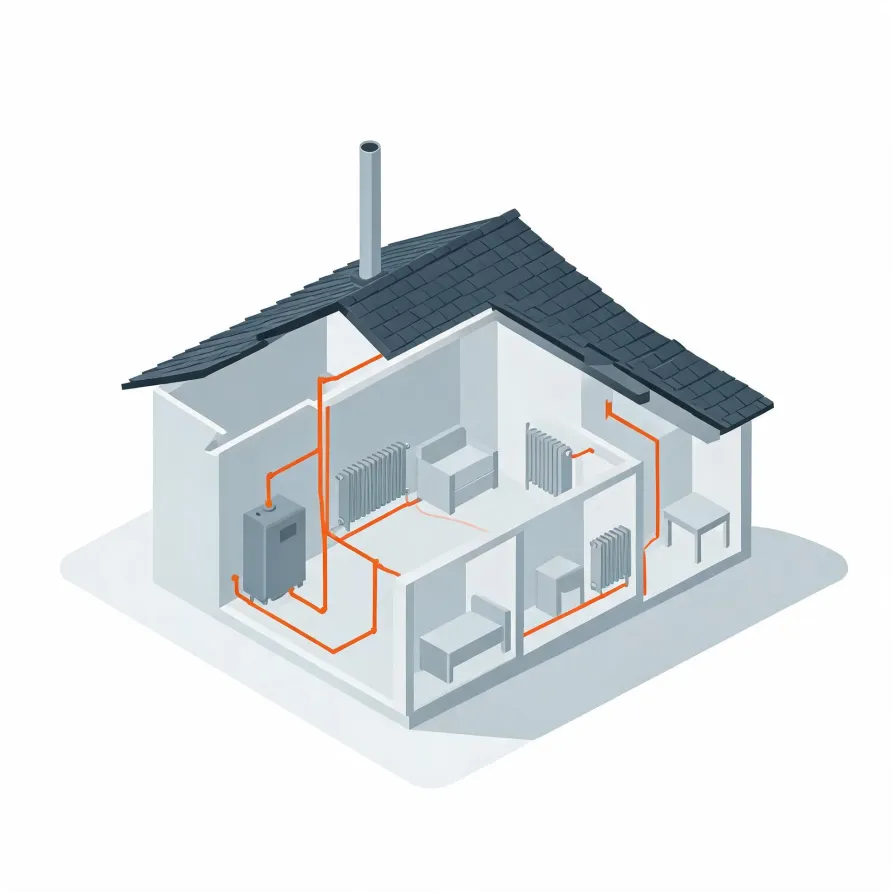
The boiler itself sits in the basement or a mechanical room and is the heart of the system. It heats water and pushes it out through the pipes. When heat stops reaching a room, or pressure drops, or the unit short-cycles, a contractor starts here, checking the heat exchanger, the burner assembly, and the pressure relief valve for the source.
Circulator pumps move the heated water from the boiler to the radiators or baseboard units in each room, then return the cooled water back. The expansion tank, usually mounted nearby, keeps system pressure stable. A failed circulator or a waterlogged expansion tank can mimic boiler failure, so contractors check both before pulling the boiler apart.
The drawing shows a typical boiler system layout, and a licensed contractor determines which components apply to your specific setup.
Get matched in Oswego CountyOswego County, by the numbers
240 severe weather events were recorded in Oswego County, New York between 2015 and 2024.
NOAA National Centers for Environmental Information, Storm Events Database, bulk CSV export, events 2015-01-01 through 2024-12-31.Half the homes in Oswego County, New York were built in 1971 or earlier (2020-2024 ACS 5-year).
U.S. Census Bureau, 2020-2024 American Community Survey 5-Year EstimatesOswego County, New York holds 54,844 housing units (2020-2024 ACS 5-year).
U.S. Census Bureau, 2020-2024 American Community Survey 5-Year EstimatesOwners occupy 73.4% of the occupied homes in Oswego County, New York (2020-2024 ACS 5-year).
U.S. Census Bureau, 2020-2024 American Community Survey 5-Year EstimatesWeather Stress on Heating Equipment in Oswego County
Boilers work harder when outdoor conditions swing hard, and the cumulative load of severe weather years shapes how quickly components wear. How much of that pressure a boiler absorbs depends on where it runs.
240 severe weather events, 2015–2024. Source: NOAA National Centers for Environmental Information, Storm Events Database.