Tell us about the job
Takes about a minute. No obligation.
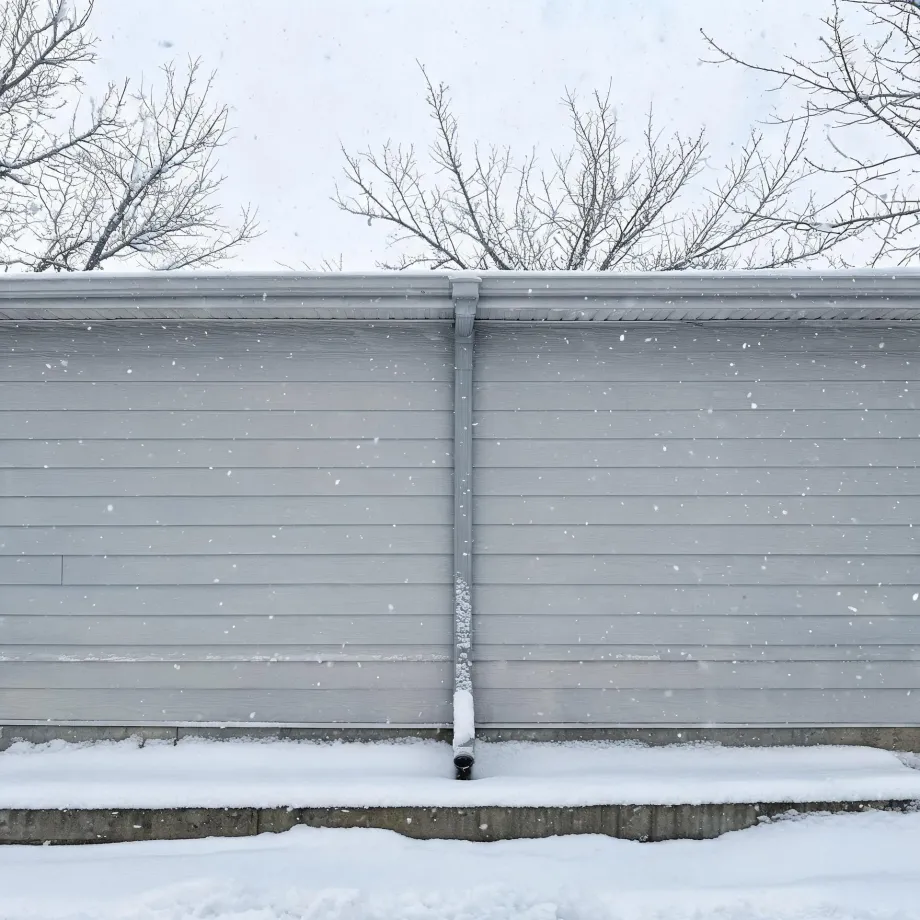
A boiler repair in Madison County starts with the parts that cycle, not the ones that sit. Homes in Madison County, NY run heat about nine months a year, from September through May. Burners, ignition assemblies, and heat exchangers log hard use across those months, and by the time a system shows a fault, the wear is already written into the metal. A contractor pulling access panels here looks first at the ignition system and the seals around the heat exchanger, because those are the components that accumulate the most stress from repeated firing cycles. Corrosion from condensate and fatigue in the expansion joints come next.
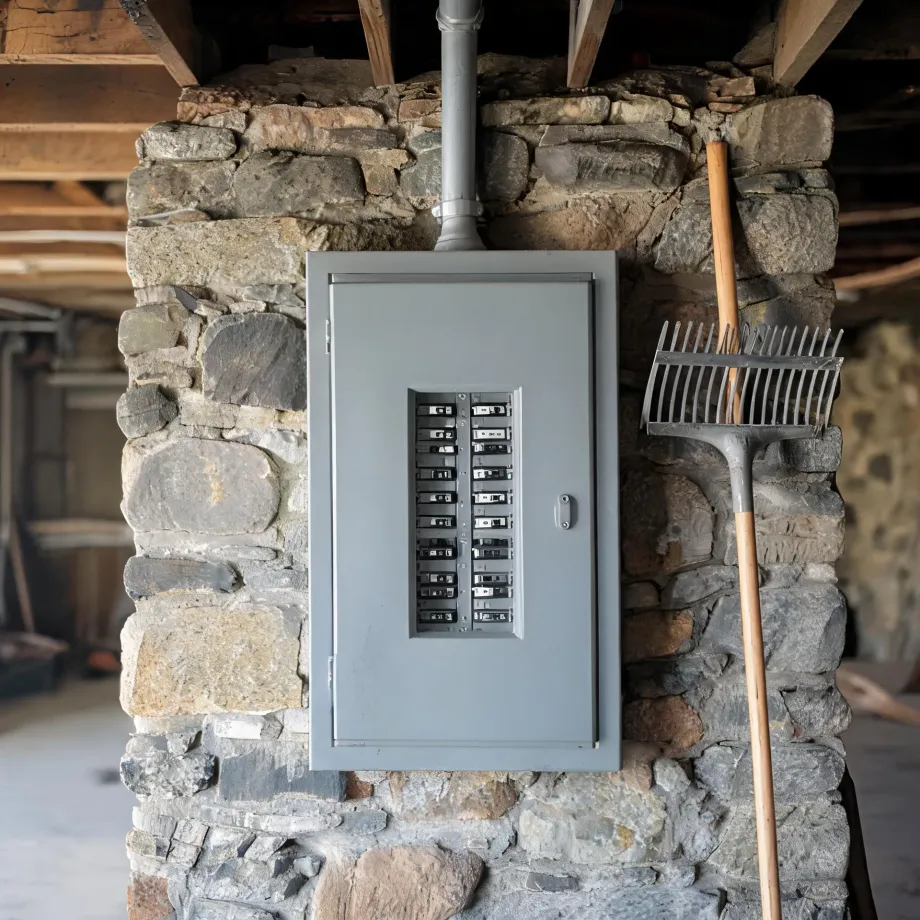
Half the homes in Madison County, New York were built in 1964 or earlier (2020-2024 ACS 5-year). A house that old has almost certainly had its boiler replaced at least once, and the plumbing and controls around it reflect whoever did that work and what was available then. That layering is what a contractor finds once the boiler is open: a mix of components from different eras, some of which have been out of production long enough that sourcing replacements requires real searching. The repair scope depends less on what the boiler's nameplate says and more on what is actually connected to it.
The Parts of a Boiler a Contractor Checks First
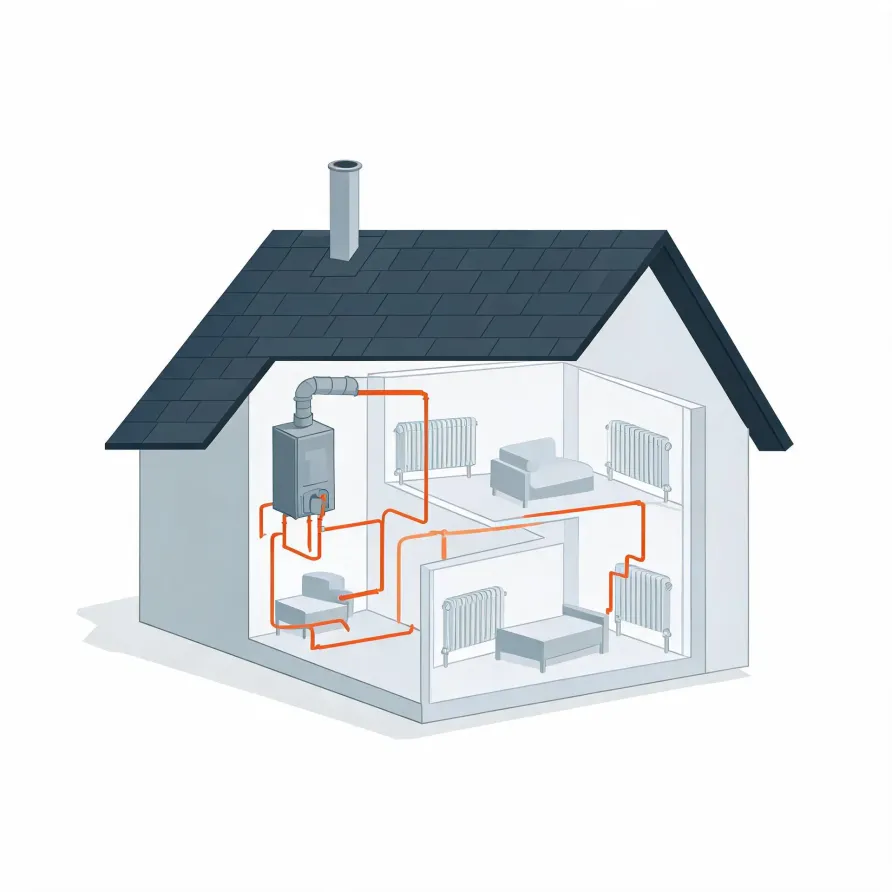
The boiler itself sits in the basement or a mechanical room and is the piece a contractor goes to first. Inside it, the heat exchanger and the burner assembly are where most faults show up. A cracked heat exchanger, a misfiring burner, or a failed igniter will stop the system or run it unsafely.
The circulator pump moves heated water out through the supply pipes and pulls cooler water back through the return line. The expansion tank, pressure relief valve, and aquastat sit close to the boiler and each one has a specific job keeping pressure and temperature inside safe limits. When any of these fails, the boiler either shuts down or behaves in ways that point a contractor straight to the faulty component.
The drawing shows a typical boiler layout, and a licensed contractor determines which parts apply to your specific system.
Get matched in Madison CountyMadison County, by the numbers
134 severe weather events were recorded in Madison County, New York between 2015 and 2024.
NOAA National Centers for Environmental Information, Storm Events Database, bulk CSV export, events 2015-01-01 through 2024-12-31.Half the homes in Madison County, New York were built in 1964 or earlier (2020-2024 ACS 5-year).
U.S. Census Bureau, 2020-2024 American Community Survey 5-Year EstimatesMadison County, New York holds 30,730 housing units (2020-2024 ACS 5-year).
U.S. Census Bureau, 2020-2024 American Community Survey 5-Year EstimatesOwners occupy 78.3% of the occupied homes in Madison County, New York (2020-2024 ACS 5-year).
U.S. Census Bureau, 2020-2024 American Community Survey 5-Year EstimatesSevere Weather Events in Madison County
Boilers work harder and fail faster when the weather turns harsh. How often that happens in Madison County shapes how much stress local heating systems carry and how quickly problems develop.
134 severe weather events, 2015–2024. Source: NOAA National Centers for Environmental Information, Storm Events Database.