Tell us about the job
Takes about a minute. No obligation.
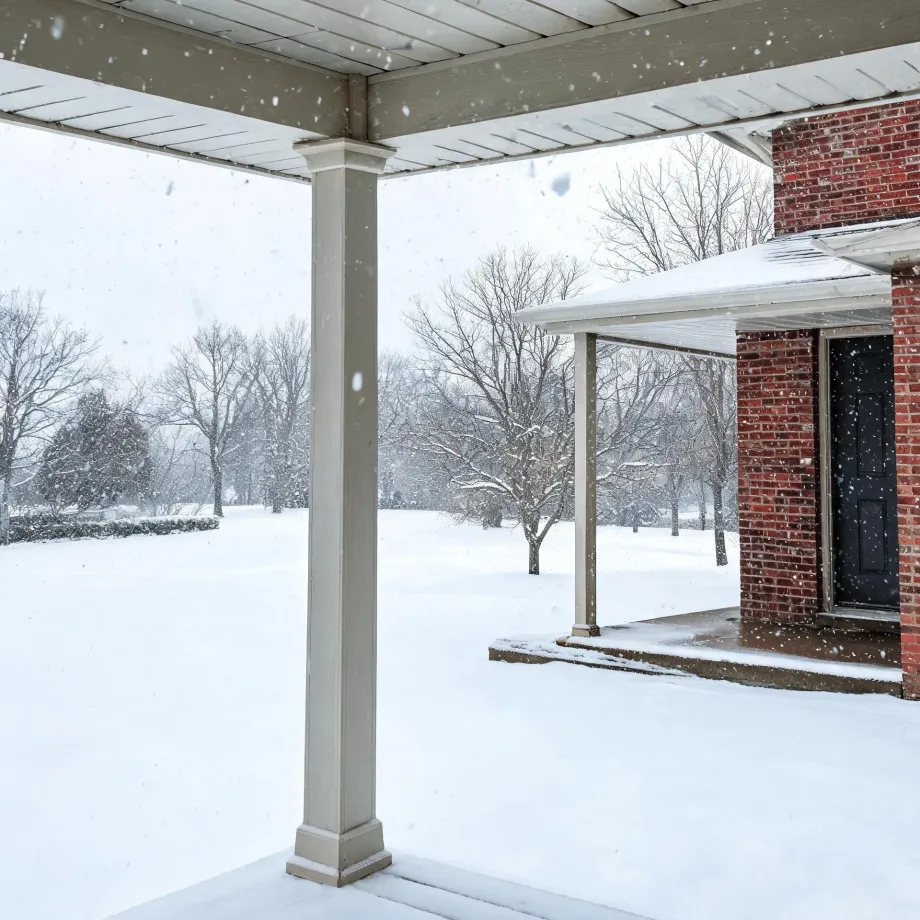
Homes in Lewis County, NY run heat about nine months a year, from September through May. A boiler running through a season that long cycles its burner and ignition system hard, and those parts show wear before the heat exchanger or the circulator does. When a contractor opens a unit here, cracked igniter assemblies and corroded burner components are a routine find, not an occasional one. The idle months do not reset that wear. A contractor quoting a repair in Lewis County checks the ignition system and burner assembly before writing up anything else on the unit.
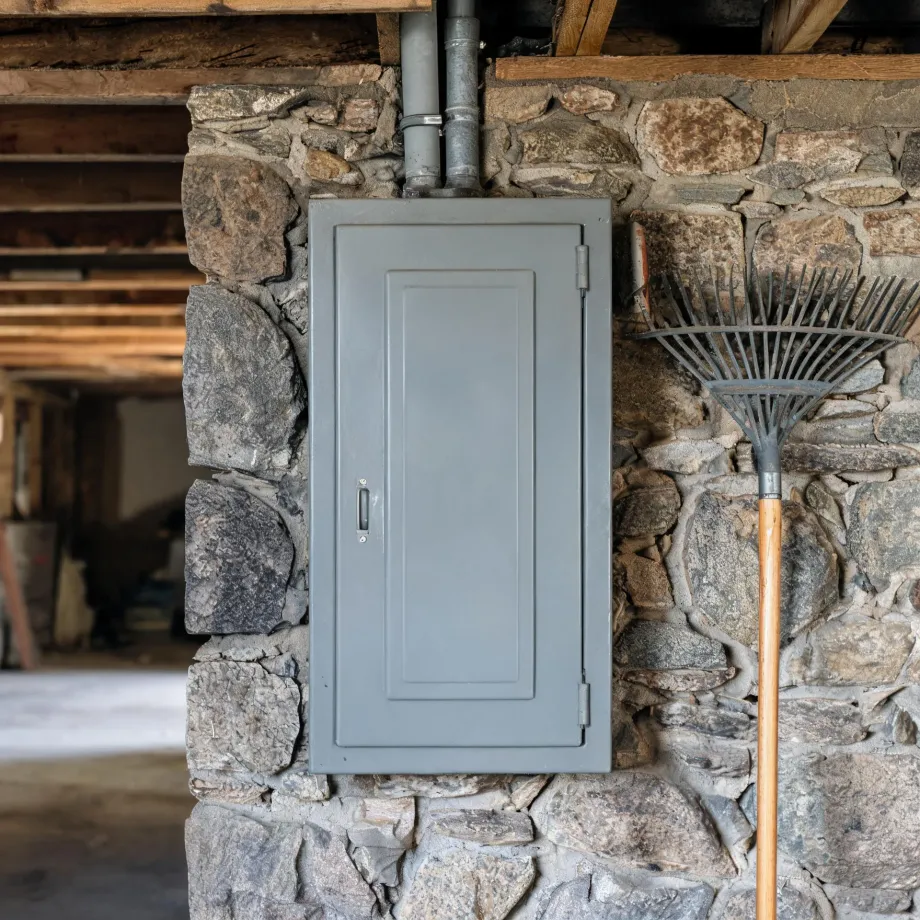
Piping runs, zone valves, and expansion tanks installed for an earlier generation of heating equipment do not automatically suit what is running through them now. Half the homes in Lewis County, New York were built in 1972 or earlier (2020-2024 ACS 5-year). A contractor opening a boiler here works out not just what failed inside the unit but whether the distribution side was ever brought in line with it, because a mismatch there changes both what parts get ordered and whether the repair holds.
The Parts of a Boiler a Contractor Checks First
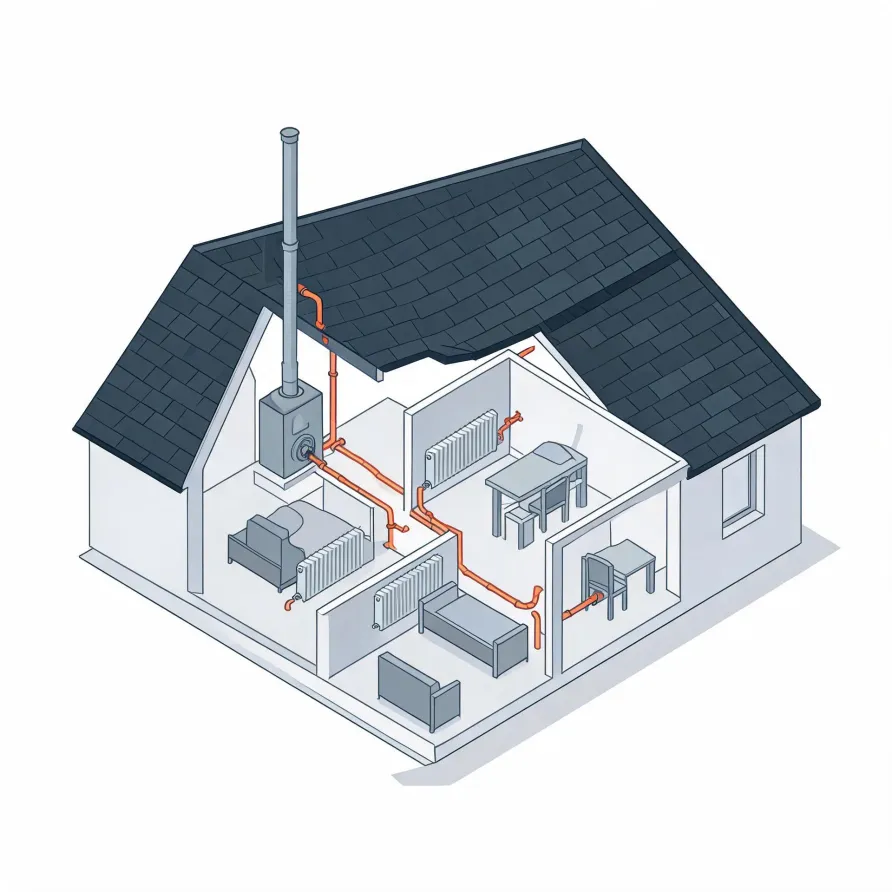
The boiler itself sits in the basement or mechanical room and is the piece a contractor goes to first. It heats water and pushes it through the system. When heat stops reaching the rooms, or the unit cycles on and off without completing a run, the problem often traces back here, to the burner, heat exchanger, or pressure relief valve.
From the boiler, supply pipes carry hot water to radiators or baseboards in each room, and a return line brings cooled water back. The circulator pump, usually mounted on the return line near the boiler, is what keeps water moving. When a room stays cold while others heat normally, the circulator or a zone valve on that line is where a contractor looks.
The drawing shows a typical boiler layout, and a licensed contractor determines which parts and conditions apply to your specific home.
Get matched in Lewis CountyLewis County, by the numbers
192 severe weather events were recorded in Lewis County, New York between 2015 and 2024.
NOAA National Centers for Environmental Information, Storm Events Database, bulk CSV export, events 2015-01-01 through 2024-12-31.Half the homes in Lewis County, New York were built in 1972 or earlier (2020-2024 ACS 5-year).
U.S. Census Bureau, 2020-2024 American Community Survey 5-Year EstimatesLewis County, New York holds 15,637 housing units (2020-2024 ACS 5-year).
U.S. Census Bureau, 2020-2024 American Community Survey 5-Year EstimatesOwners occupy 80.2% of the occupied homes in Lewis County, New York (2020-2024 ACS 5-year).
U.S. Census Bureau, 2020-2024 American Community Survey 5-Year EstimatesSevere Weather Events in Lewis County
Boilers work hardest when outside conditions are most demanding, and that workload adds up over years of hard winters and volatile weather. How often Lewis County sees severe weather shapes how hard the equipment has to work and how frequently it needs attention.
192 severe weather events, 2015–2024. Source: NOAA National Centers for Environmental Information, Storm Events Database.