Tell us about the job
Takes about a minute. No obligation.
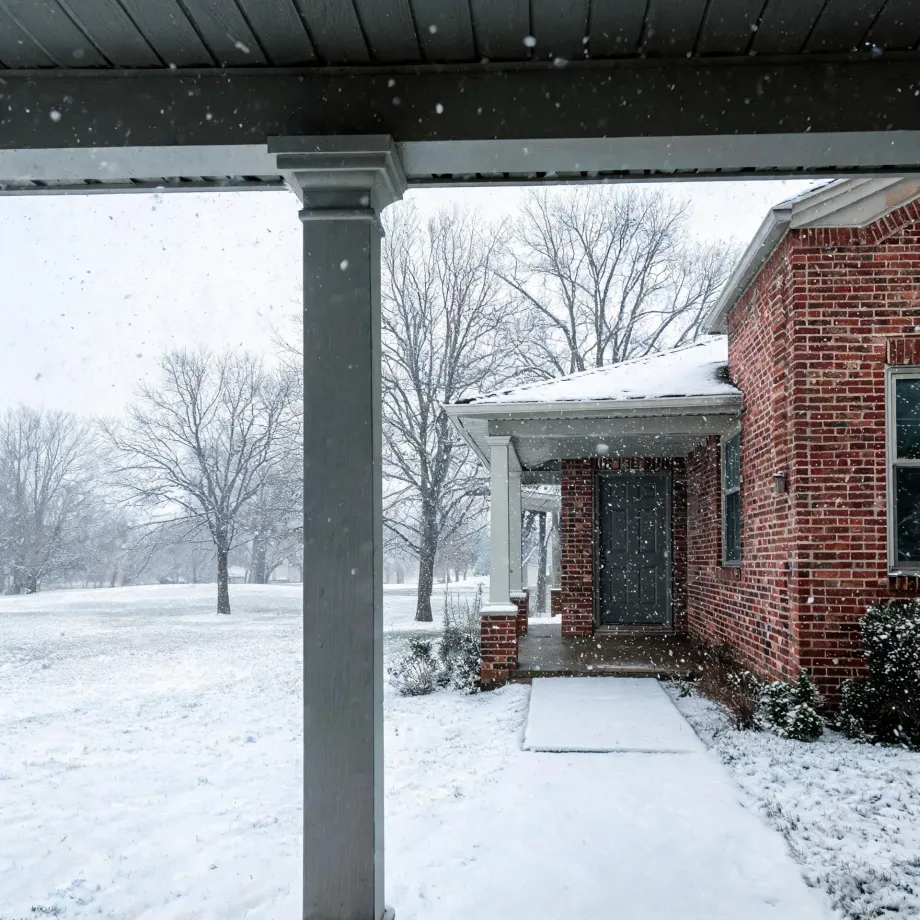
Homes in Greene County, NY run heat about nine months a year, from September through May. Burners, heat exchangers, and ignition assemblies cycle through that entire run without real relief, and the wear accumulates on parts that were already marginal before the season started. A contractor diagnosing a boiler repair here has to look past the fault that triggered the call. The ignition system fails on a cold January morning because of what the previous spring's cycling left behind, and a quote that prices only the visible problem sends the homeowner back to the phone before winter ends.
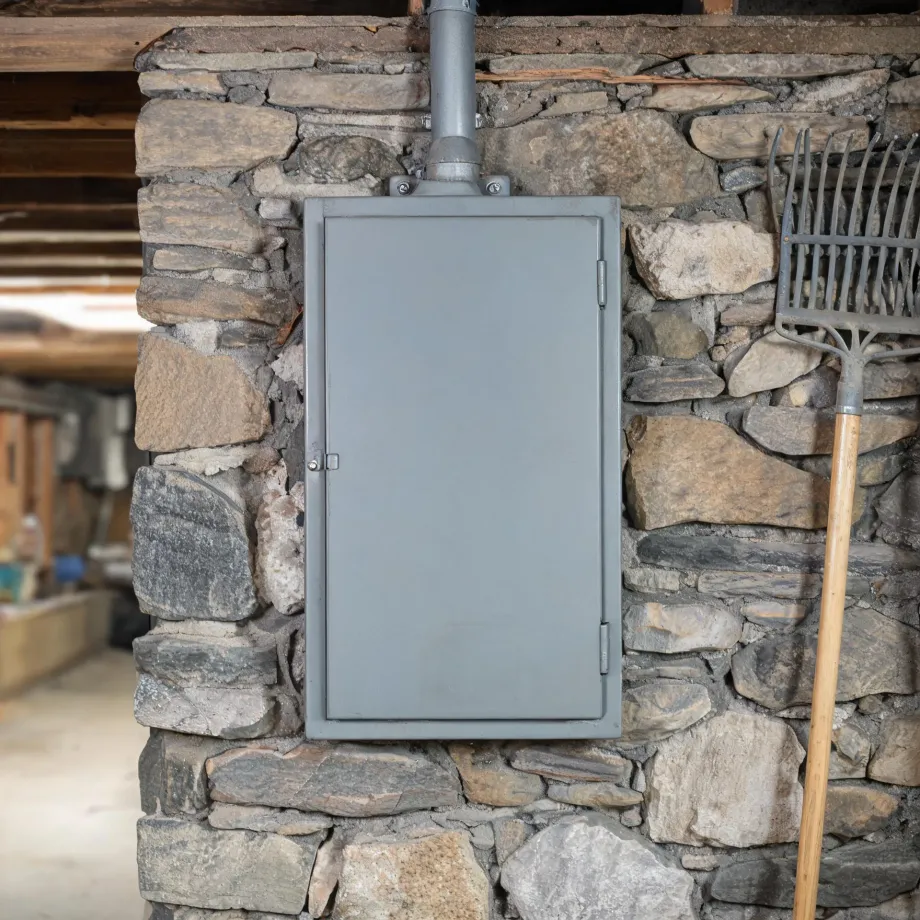
Boilers in housing this old have often been repaired in layers, with components from different eras sitting inside the same cabinet. Half the homes in Greene County, New York were built in 1972 or earlier (2020-2024 ACS 5-year). A contractor opening a unit in stock like this finds castings stressed by repeated thermal cycling, seals that have hardened, and heat exchangers that may show fatigue a visual check from the outside cannot catch. The parts a system of that vintage takes are not always in current supply, which changes the repair scope before a single price is written.
The Parts of a Boiler a Contractor Checks First
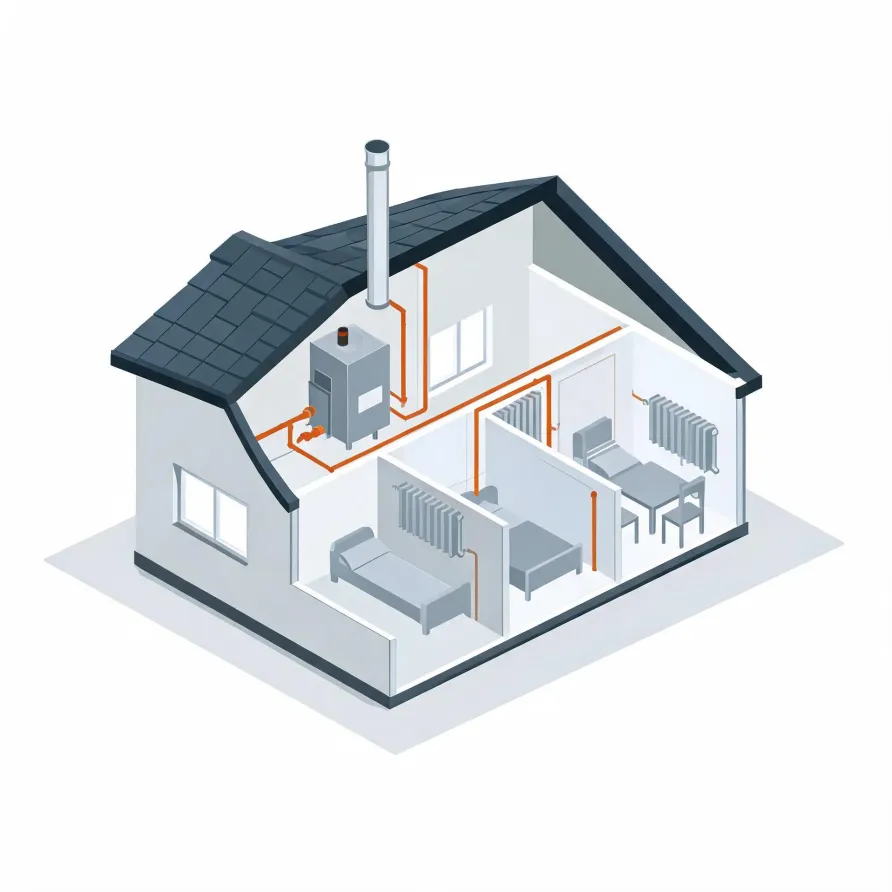
The boiler itself sits in the basement or a mechanical room and is the piece a contractor looks at first. Inside it, the heat exchanger and burner assembly take the immediate blame when heat is uneven or absent. A failed circulator pump, which moves heated water through the system, produces the same symptoms and gets inspected alongside them.
The expansion tank, pressure relief valve, and zone valves sit close to the boiler and each controls a different condition. Baseboard radiators or cast-iron radiators in the living spaces are the far end of that loop, and air trapped in them or sediment settled at their base can be the source of banging, cold spots, or no heat at all.
The drawing shows a general layout of these components, and a licensed contractor determines which parts apply to your specific system and what work each one needs.
Get matched in Greene CountyGreene County, by the numbers
168 severe weather events were recorded in Greene County, New York between 2015 and 2024.
NOAA National Centers for Environmental Information, Storm Events Database, bulk CSV export, events 2015-01-01 through 2024-12-31.Half the homes in Greene County, New York were built in 1972 or earlier (2020-2024 ACS 5-year).
U.S. Census Bureau, 2020-2024 American Community Survey 5-Year EstimatesGreene County, New York holds 29,080 housing units (2020-2024 ACS 5-year).
U.S. Census Bureau, 2020-2024 American Community Survey 5-Year EstimatesOwners occupy 77.2% of the occupied homes in Greene County, New York (2020-2024 ACS 5-year).
U.S. Census Bureau, 2020-2024 American Community Survey 5-Year EstimatesSevere Weather Events in Greene County
Heating equipment takes on extra strain during periods of extreme weather, and that strain shows up as repair calls. How hard the climate pushes on boilers in a given area is a local fact, not a general one.
168 severe weather events, 2015–2024. Source: NOAA National Centers for Environmental Information, Storm Events Database.