Tell us about the job
Takes about a minute. No obligation.
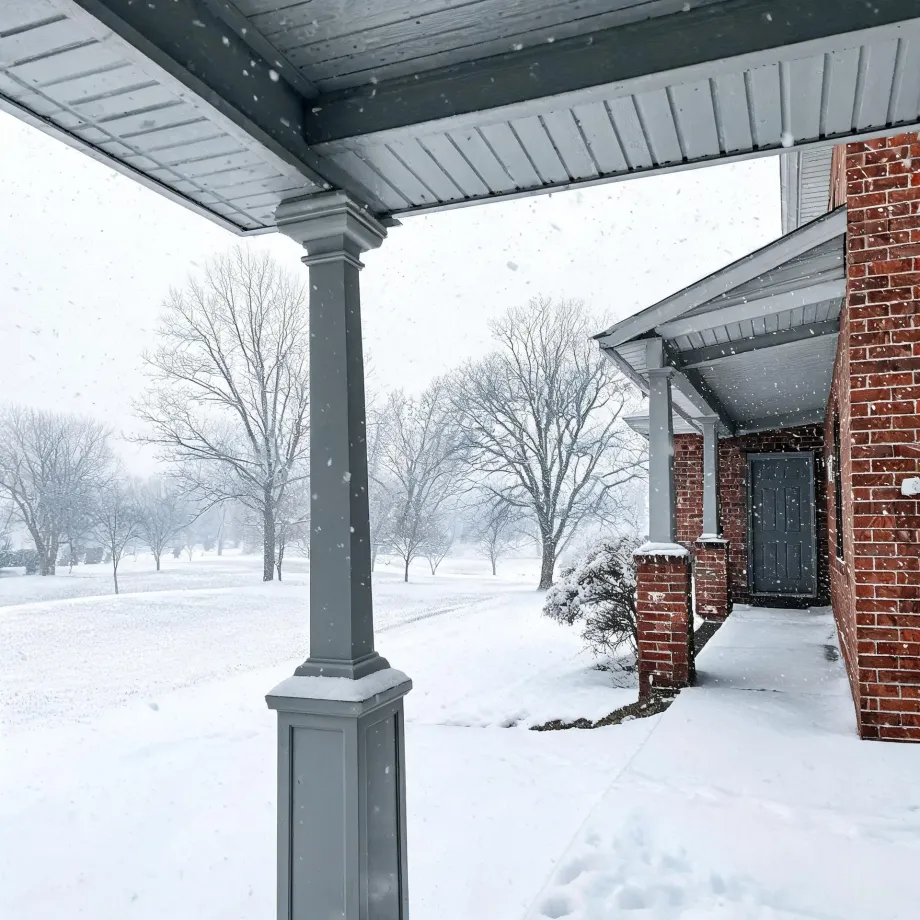
Sizing a boiler for a Greene County home is not a calculation a contractor can run off a national table and call done. Homes in Greene County, NY run heat about nine months a year, from September through May. The burner, the heat exchanger, and the ignition system cycle through that load without meaningful rest, and a system that was undersized at installation accumulates wear on those parts faster than the owner can see it coming. A contractor quoting a replacement or a new install here has to work out what the house actually demands before committing to equipment, because an undersized unit will not survive this climate on goodwill.
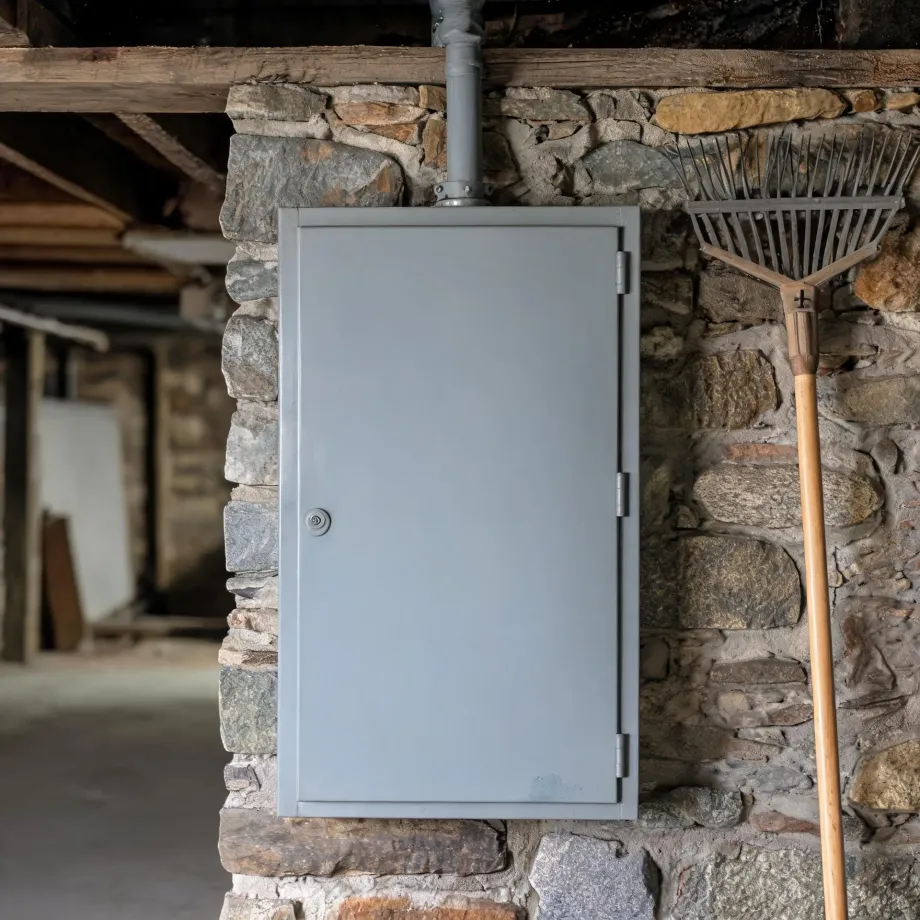
Ductwork in a house carries the history of every system that ran through it, and in much of Greene County that history is long. Half the homes in Greene County, New York were built in 1972 or earlier (2020-2024 ACS 5-year). A contractor installing a boiler here is working out whether the existing distribution system moves air or water the way the new equipment needs it to, and whether the runs, the pipe sizing, or the radiator connections have been modified enough times to create a mismatch. That evaluation happens before any equipment decision matters.
What a Boiler Installation Covers
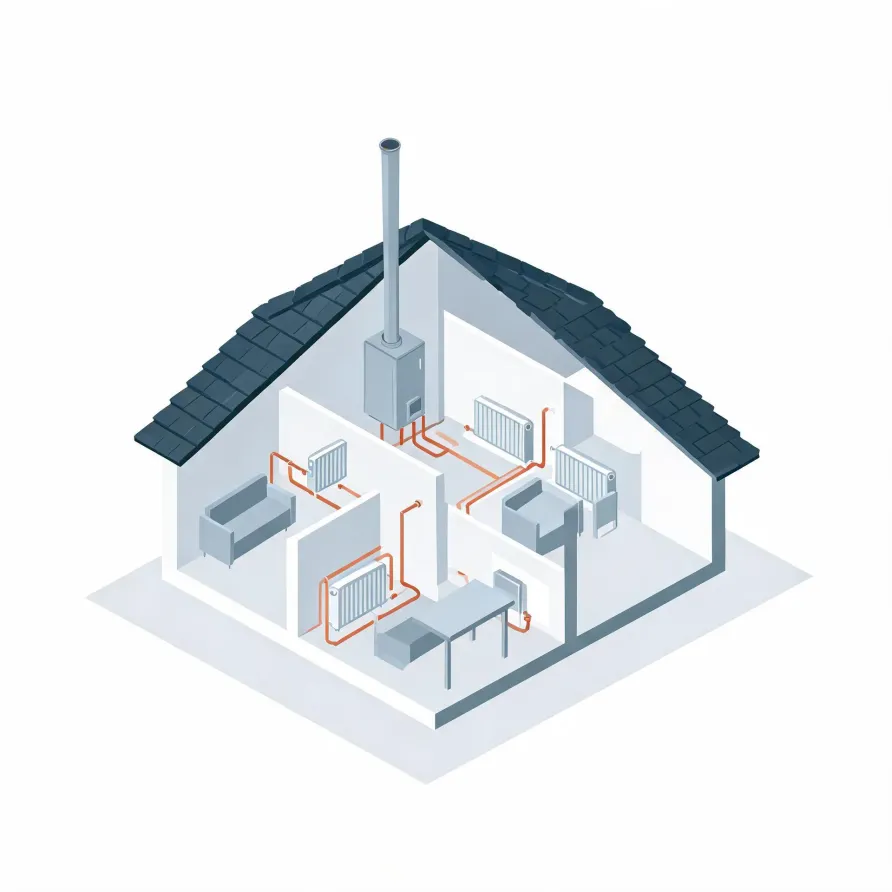
The boiler itself sits in the basement or a mechanical room and is the unit a contractor replaces or sets in place during a new installation. Alongside it goes the expansion tank, which holds the system's pressure in balance, and the circulator pump, which moves heated water through the pipes.
The thermostat mounts on a wall in the living space and is the control point the homeowner interacts with daily. Supply and return piping runs from the boiler to the radiators or baseboard units in each room, and those terminal units are what a contractor accounts for when scoping the full installation.
The drawing shows the general layout of a boiler system, and a licensed contractor determines what applies to this particular house.
Get matched in Greene CountyGreene County, by the numbers
168 severe weather events were recorded in Greene County, New York between 2015 and 2024.
NOAA National Centers for Environmental Information, Storm Events Database, bulk CSV export, events 2015-01-01 through 2024-12-31.Half the homes in Greene County, New York were built in 1972 or earlier (2020-2024 ACS 5-year).
U.S. Census Bureau, 2020-2024 American Community Survey 5-Year EstimatesGreene County, New York holds 29,080 housing units (2020-2024 ACS 5-year).
U.S. Census Bureau, 2020-2024 American Community Survey 5-Year EstimatesOwners occupy 77.2% of the occupied homes in Greene County, New York (2020-2024 ACS 5-year).
U.S. Census Bureau, 2020-2024 American Community Survey 5-Year EstimatesSevere Weather Events in Greene County
Boilers run hardest when outside conditions are hardest, and Greene County's weather shapes how much a system has to do over its lifetime. Equipment sized and installed for local conditions holds up where a generic setup falls short.
168 severe weather events, 2015–2024. Source: NOAA National Centers for Environmental Information, Storm Events Database.