Tell us about the job
Takes about a minute. No obligation.
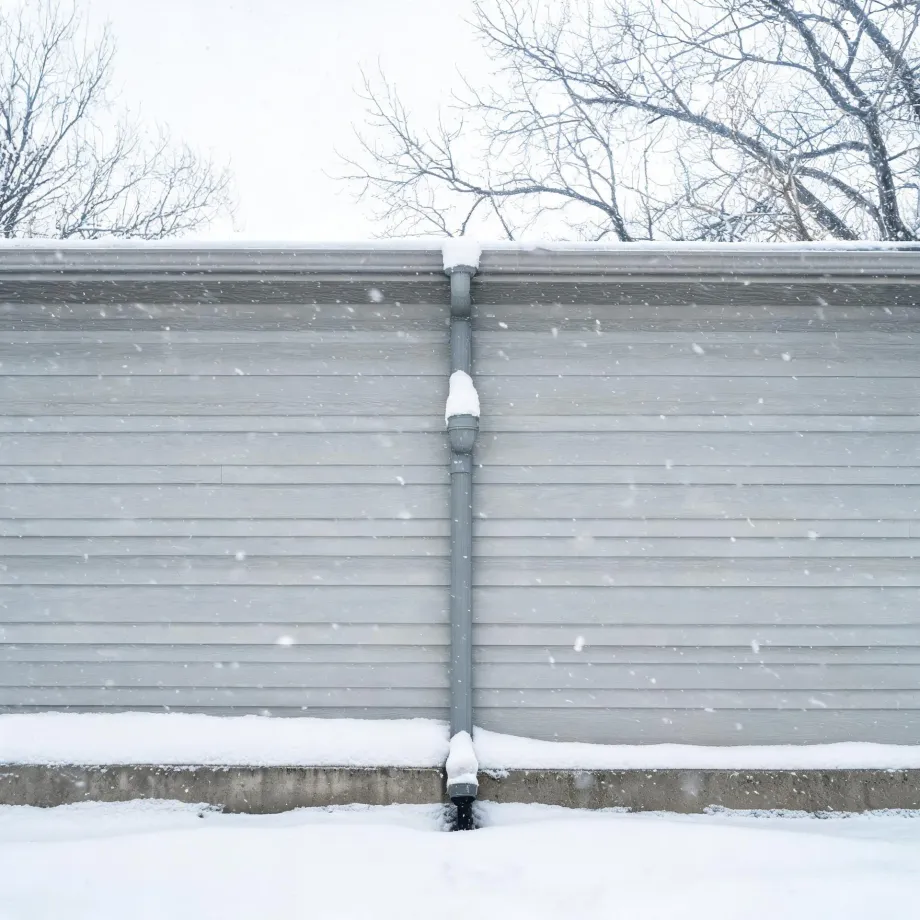
Sizing a boiler correctly here matters more than picking a brand. Homes in Chautauqua County, NY run heat about eight months a year, from October through May. The burner and heat exchanger cycle through that full stretch each year, and an undersized unit runs longer per cycle to meet demand, pushing the ignition system and heat exchanger harder than the manufacturer's ratings assume. A contractor pricing an installation in this county works out the actual load the house places on the equipment before anything else, because an install that passes on a mild day will show its shortfall by February.
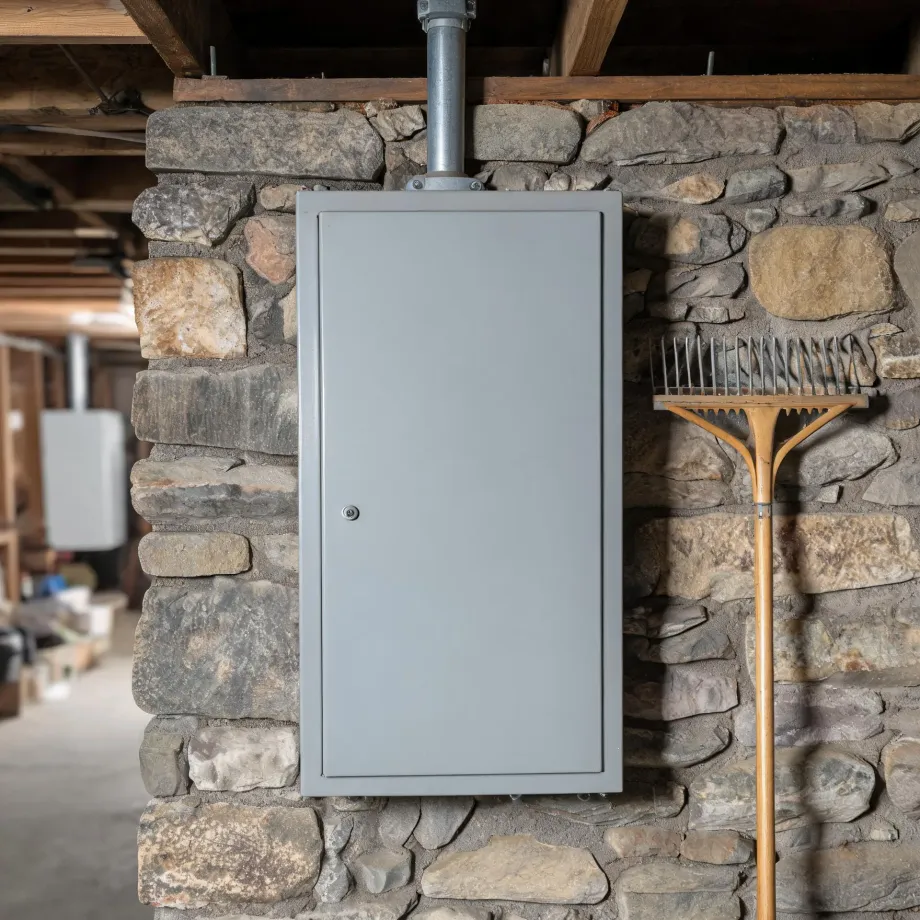
Ductwork laid out for one system does not automatically suit what replaces it. A contractor quoting a boiler here has to look at what the house already runs before pricing the unit itself, because the routing, the sizing, and the connections may have been built around equipment that has since been swapped out more than once. Half the homes in Chautauqua County, New York were built in 1953 or earlier (2020-2024 ACS 5-year). That history of successive changes is what a contractor reads in the ductwork and the electrical before any new equipment goes in.
What a Boiler Installation Puts in Your Home
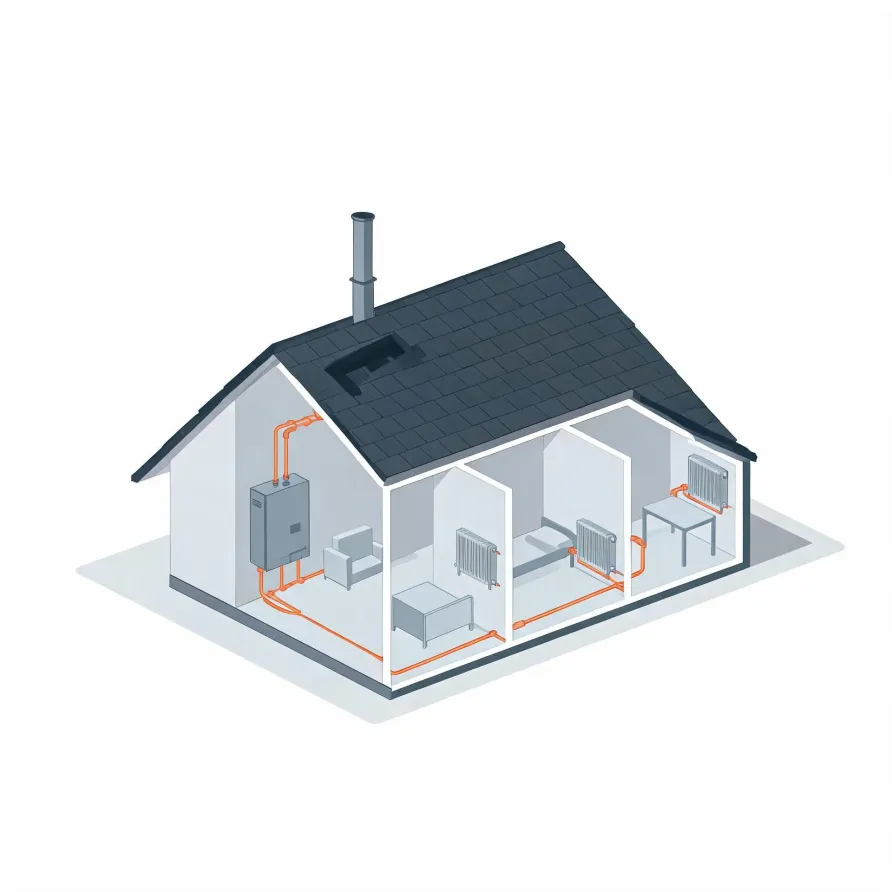
The boiler itself sits in the basement or a mechanical room and is the heart of the system. A contractor mounts it against a wall or on the floor, connects it to the home's water supply, and runs flue piping out through a wall or up through the roof to exhaust combustion gases safely.
From the boiler, supply pipes run through the house to the heat emitters, which are radiators, baseboard units, or radiant floor loops depending on what the house calls for. A circulator pump, mounted directly on the piping near the boiler, pushes the heated water through those runs, and an expansion tank sits alongside it to handle pressure changes as the water heats and cools.
The drawing shows the general layout of these components, and a licensed contractor determines exactly what applies to your house and its existing conditions.
Get matched in Chautauqua CountyChautauqua County, by the numbers
300 severe weather events were recorded in Chautauqua County, New York between 2015 and 2024.
NOAA National Centers for Environmental Information, Storm Events Database, bulk CSV export, events 2015-01-01 through 2024-12-31.Half the homes in Chautauqua County, New York were built in 1953 or earlier (2020-2024 ACS 5-year).
U.S. Census Bureau, 2020-2024 American Community Survey 5-Year EstimatesChautauqua County, New York holds 66,476 housing units (2020-2024 ACS 5-year).
U.S. Census Bureau, 2020-2024 American Community Survey 5-Year EstimatesOwners occupy 68.9% of the occupied homes in Chautauqua County, New York (2020-2024 ACS 5-year).
U.S. Census Bureau, 2020-2024 American Community Survey 5-Year EstimatesSevere Weather Events in Chautauqua County
Chautauqua County's weather puts real demands on heating equipment, and those demands shape what a boiler installation needs to handle over its lifetime. What a system is built for here is a local question, and the record below shows what the climate has asked of it.
300 severe weather events, 2015–2024. Source: NOAA National Centers for Environmental Information, Storm Events Database.