Tell us about the job
Takes about a minute. No obligation.
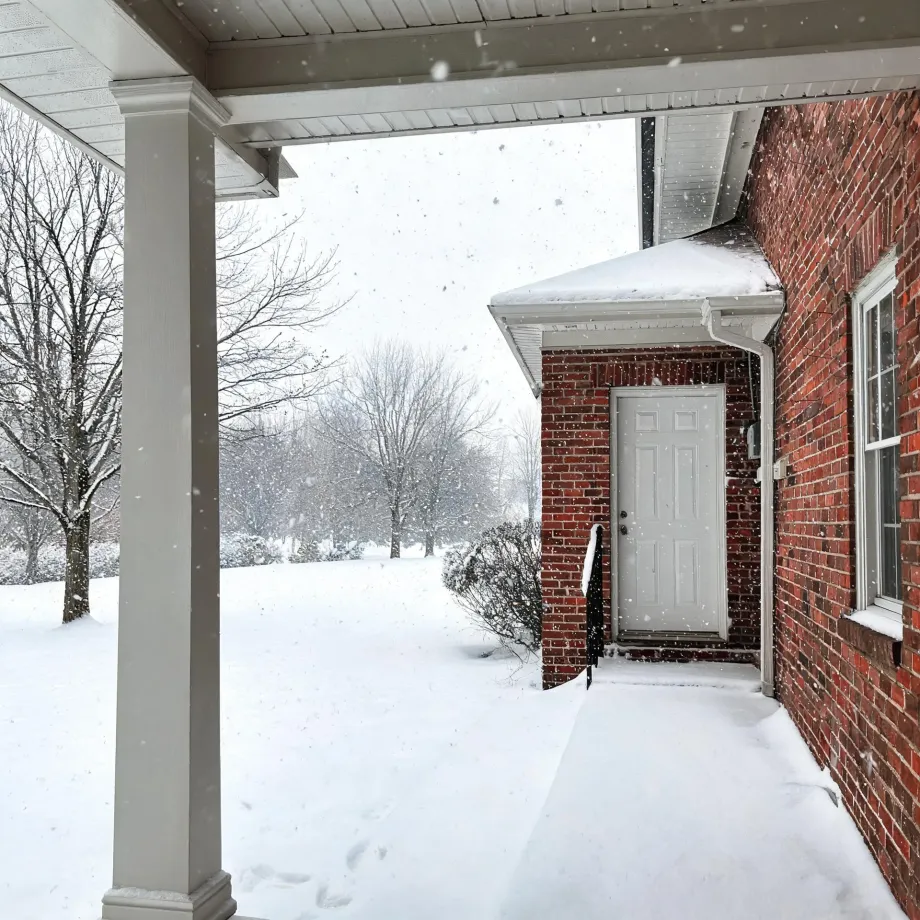
Sizing a boiler for this house starts with what the burner is actually asked to do here. Homes in Richmond County, NY run heat about seven months a year, from October through April. Across those months, the ignition system cycles repeatedly, the heat exchanger works under sustained load, and any shortfall in the original installation shows up in those parts before it shows up anywhere else. A contractor quoting a replacement or a new install has to account for that accumulated demand when selecting capacity and specifying components, not treat it as a detail to revisit after the unit is in.
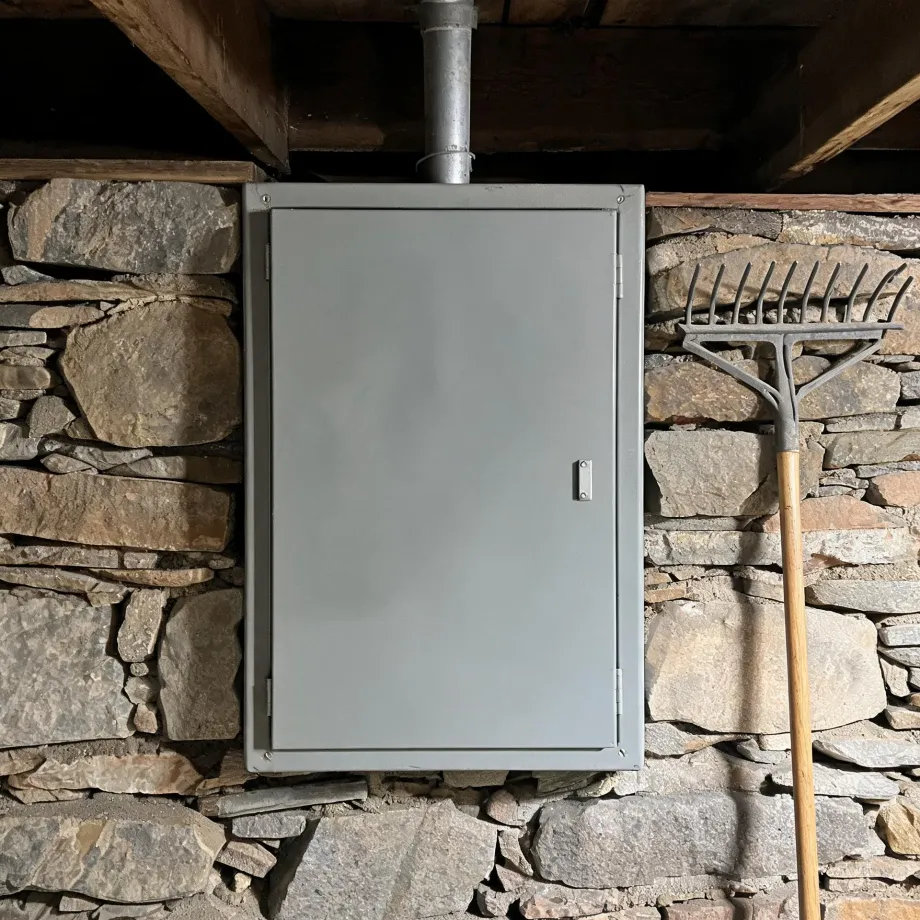
Existing pipework and distribution layouts in Richmond County's older homes are what a contractor has to assess before a boiler installation can be priced accurately. Half the homes in Richmond County, New York were built in 1974 or earlier (2020-2024 ACS 5-year). A house built in that era was designed around whatever heating plant was common then, and those pipe runs, radiator connections, and zone configurations were never meant to accommodate what gets specified now. A contractor who skips that assessment quotes against a layout they have not seen, and the job changes once they open the walls.
What a Boiler Installation Puts in Your Home
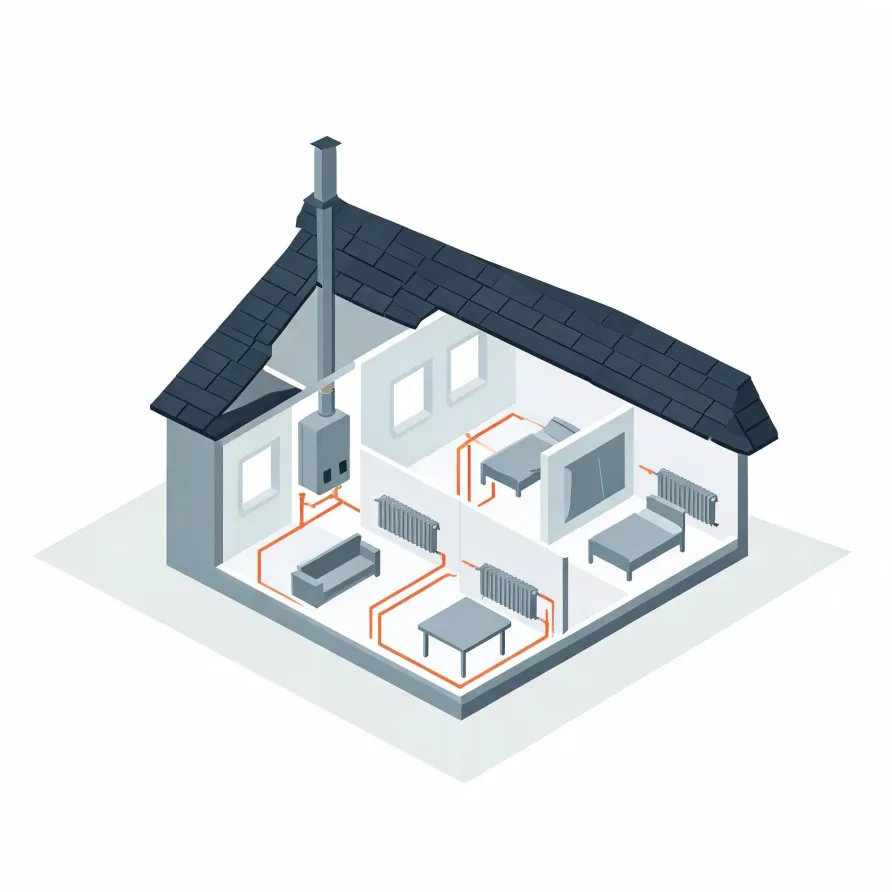
The boiler itself sits in the basement or a mechanical room and is the heart of the system. A contractor sets it in place, connects it to the gas or oil supply, and ties it into the home's piping. The expansion tank mounts nearby, giving the pressurized water room to move safely.
The circulator pump attaches directly to the boiler and pushes hot water through the pipes to the radiators or baseboard units in each room. A pressure relief valve and an aquastat mount on or near the boiler as well. The aquastat controls water temperature; the relief valve is a safety device that opens if pressure climbs too high.
The drawing shows a typical boiler layout, and a licensed contractor determines exactly what applies to your house.
Get matched in Richmond CountyRichmond County, by the numbers
55 severe weather events were recorded in Richmond County, New York between 2015 and 2024.
NOAA National Centers for Environmental Information, Storm Events Database, bulk CSV export, events 2015-01-01 through 2024-12-31.Half the homes in Richmond County, New York were built in 1974 or earlier (2020-2024 ACS 5-year).
U.S. Census Bureau, 2020-2024 American Community Survey 5-Year EstimatesRichmond County, New York holds 184,621 housing units (2020-2024 ACS 5-year).
U.S. Census Bureau, 2020-2024 American Community Survey 5-Year EstimatesOwners occupy 67.7% of the occupied homes in Richmond County, New York (2020-2024 ACS 5-year).
U.S. Census Bureau, 2020-2024 American Community Survey 5-Year EstimatesSevere Weather Events in Richmond County
Boilers work hardest when outside conditions put the most stress on a building's thermal envelope. How often that happens in Richmond County shapes what a boiler installation here needs to handle long-term.
55 severe weather events, 2015–2024. Source: NOAA National Centers for Environmental Information, Storm Events Database.