Tell us about the job
Takes about a minute. No obligation.
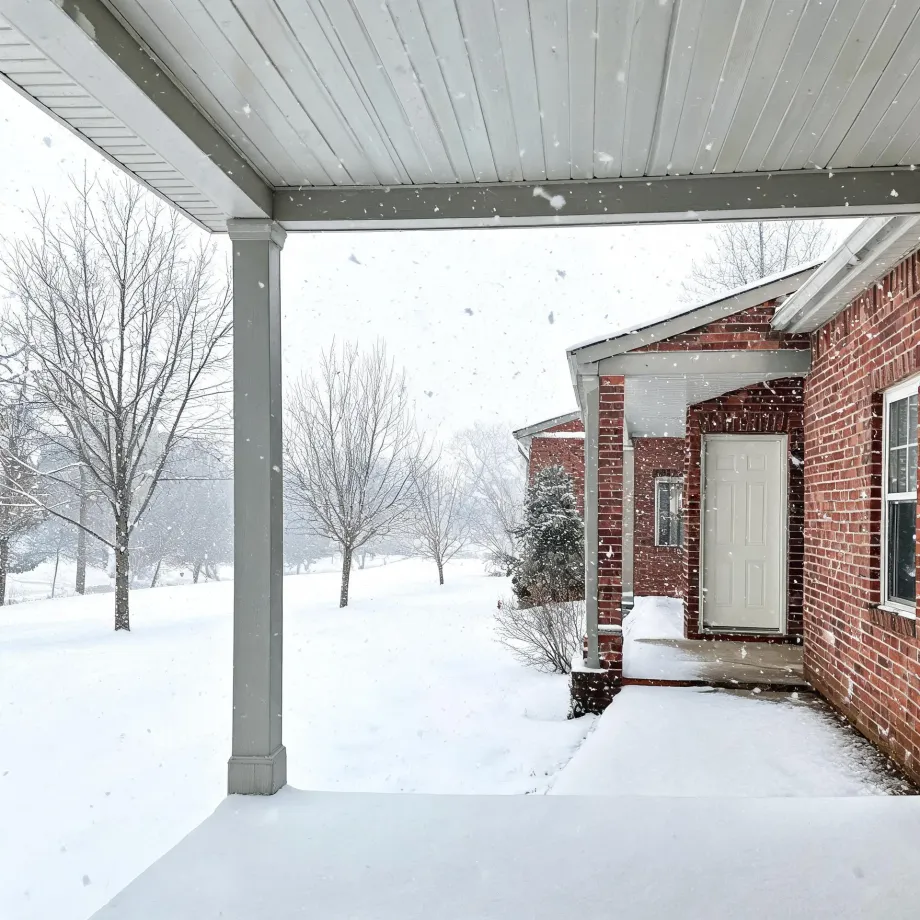
Sizing a boiler for a Kings County home requires a contractor to work from the actual load the building places on the equipment, not from a rough estimate. Homes in Kings County, NY run heat about seven months a year, from October through April. A burner and heat exchanger cycling through that kind of sustained demand accumulate wear steadily, and a unit that was undersized at installation runs harder than it was designed to, shortening the life of the ignition system and the heat exchanger alike. The quality of the original install determines how that load is distributed across the system from the first winter forward.
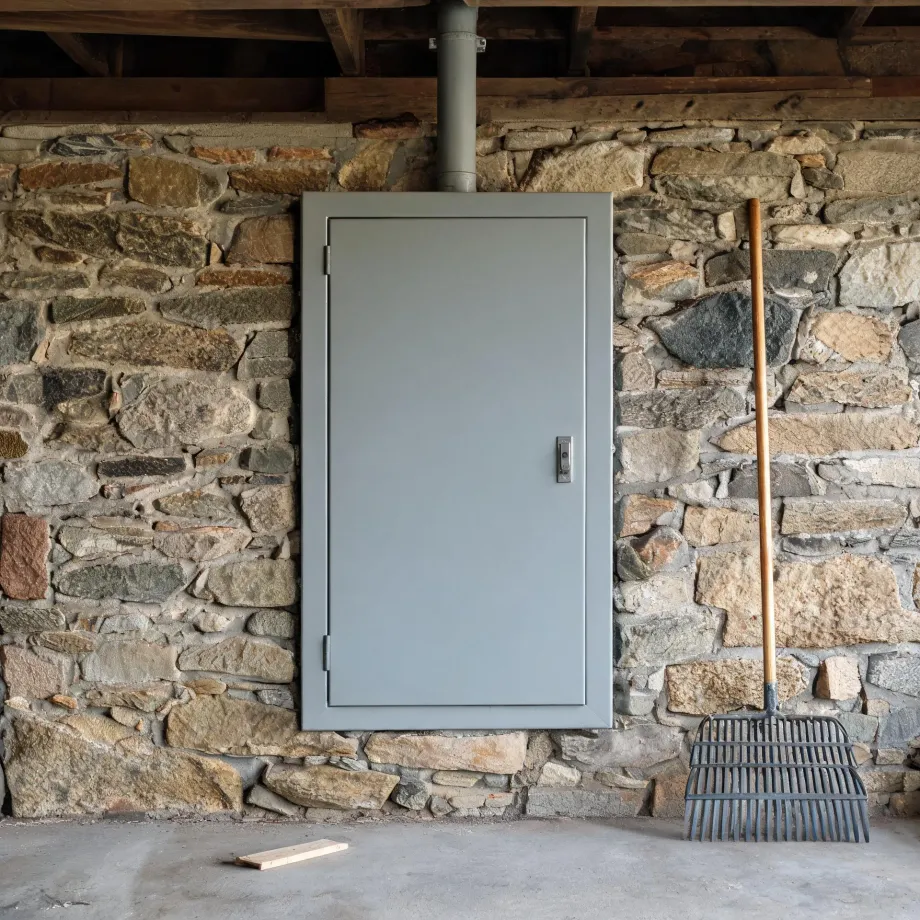
Older electrical panels are where boiler installation jobs in Kings County stall. Half the homes in Kings County, New York were built in 1944 or earlier (2020-2024 ACS 5-year). A house built for the technology of that era carries service panels sized for a fraction of what a modern boiler system draws, and a contractor who skips the panel inspection before quoting is pricing a job they cannot finish. The ductwork question is separate from the electrical one, and both have to be answered before the boiler itself gets ordered.
What a Boiler Installation Puts in Your Home
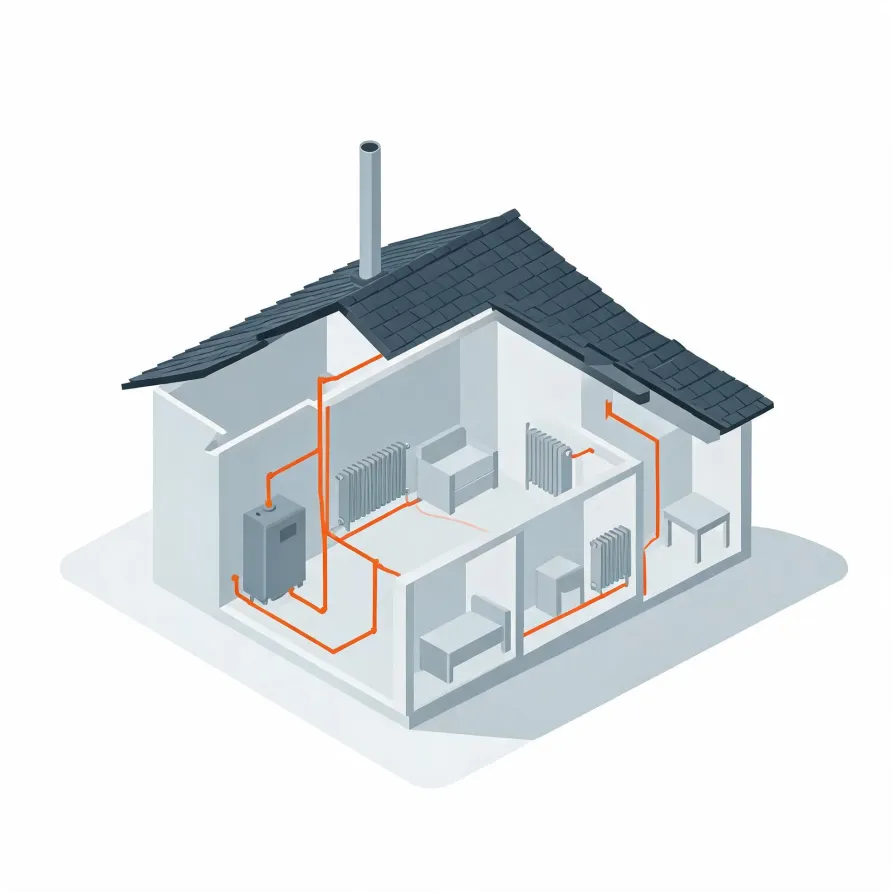
The boiler itself sits in the basement or a utility room and is the heart of the system. A contractor mounts it against an interior wall, connects it to the fuel supply, and ties it into the home's existing piping. That unit is what heats the water that moves through the rest of the house.
From the boiler, supply pipes run through walls and floors to radiators or baseboard units positioned along the perimeter of each room. A expansion tank, typically near the boiler, keeps pressure stable as water heats and cools. A thermostat on the wall gives the homeowner control over the whole system.
The drawing shows a representative layout, and a licensed contractor determines exactly what applies to this house.
Get matched in Kings CountyKings County by the numbers
79 severe weather events were recorded in Kings County, New York between 2015 and 2024.
NOAA National Centers for Environmental Information, Storm Events Database, bulk CSV export, events 2015-01-01 through 2024-12-31.Half the homes in Kings County, New York were built in 1944 or earlier (2020-2024 ACS 5-year).
U.S. Census Bureau, 2020-2024 American Community Survey 5-Year EstimatesKings County, New York holds 1,100,772 housing units (2020-2024 ACS 5-year).
U.S. Census Bureau, 2020-2024 American Community Survey 5-Year EstimatesOwners occupy 29.5% of the occupied homes in Kings County, New York (2020-2024 ACS 5-year).
U.S. Census Bureau, 2020-2024 American Community Survey 5-Year EstimatesSevere Weather Events in Kings County
Boiler systems in Kings County work against whatever the climate puts on them, and weather extremes are a real input into how hard a boiler runs and how long it lasts. That load history is local, which is why the right sizing and installation decisions for this area start with knowing what the weather here actually does.
79 severe weather events, 2015–2024. Source: NOAA National Centers for Environmental Information, Storm Events Database.