Why your radiators won't heat up in New York
Cold radiators usually mean air trapped inside them, or steam and hot water that can't get past a stuck valve. If one radiator stays cold while the rest of the apartment heats up, bleed it first. That lets trapped air escape so water or steam can fill the radiator the way it's supposed to. If bleeding doesn't help, the inlet valve may be stuck shut, or sediment inside the radiator is blocking flow. In steam systems, a broken air vent on the radiator itself is a common cause, since that vent has to let air out before steam can move in. If every radiator in the building is cold, the problem is further back, at the boiler itself, and no amount of bleeding will fix that. Either way, the system needs someone to trace it room by room or back to the boiler to find where it's actually stuck.
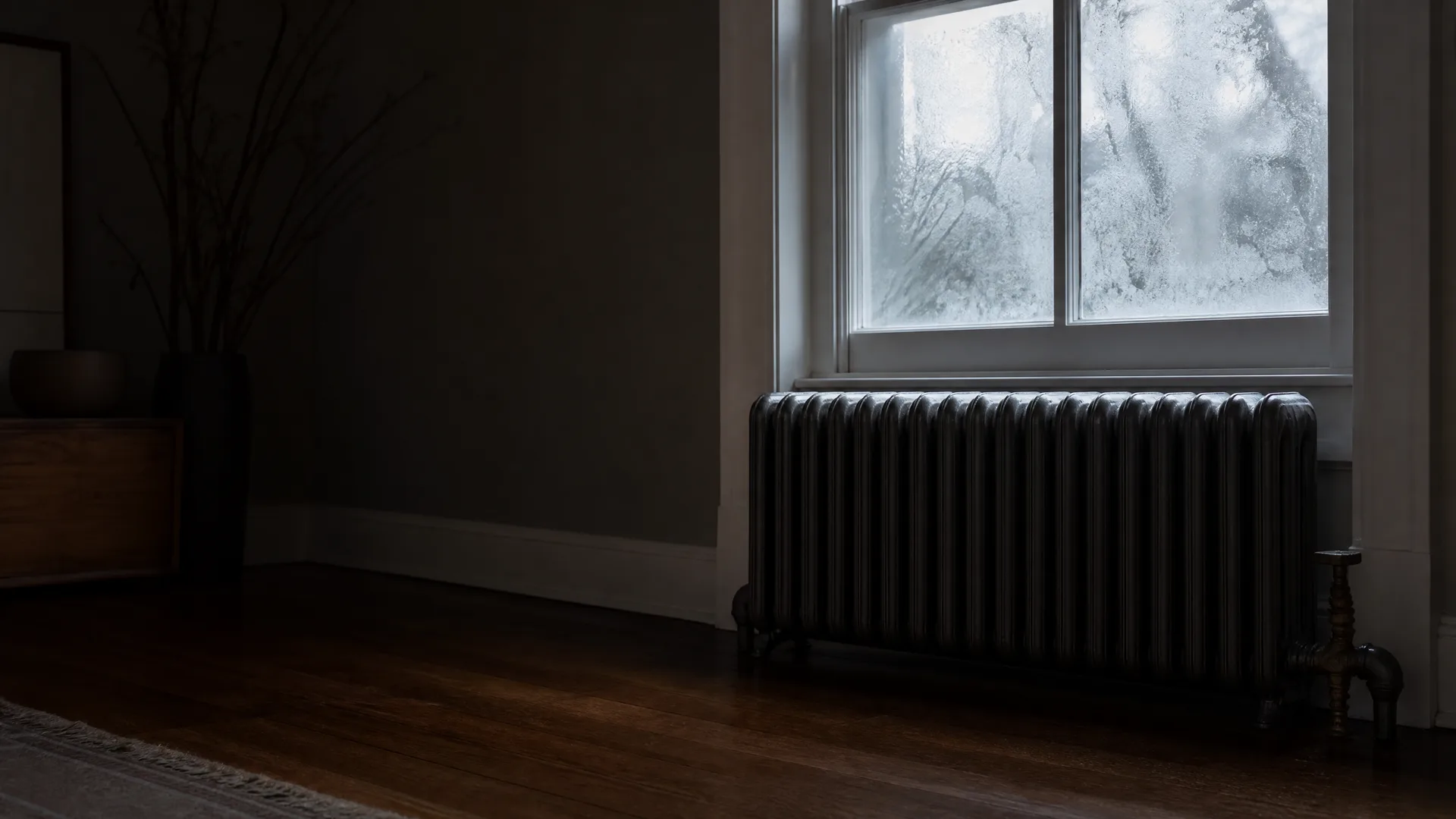
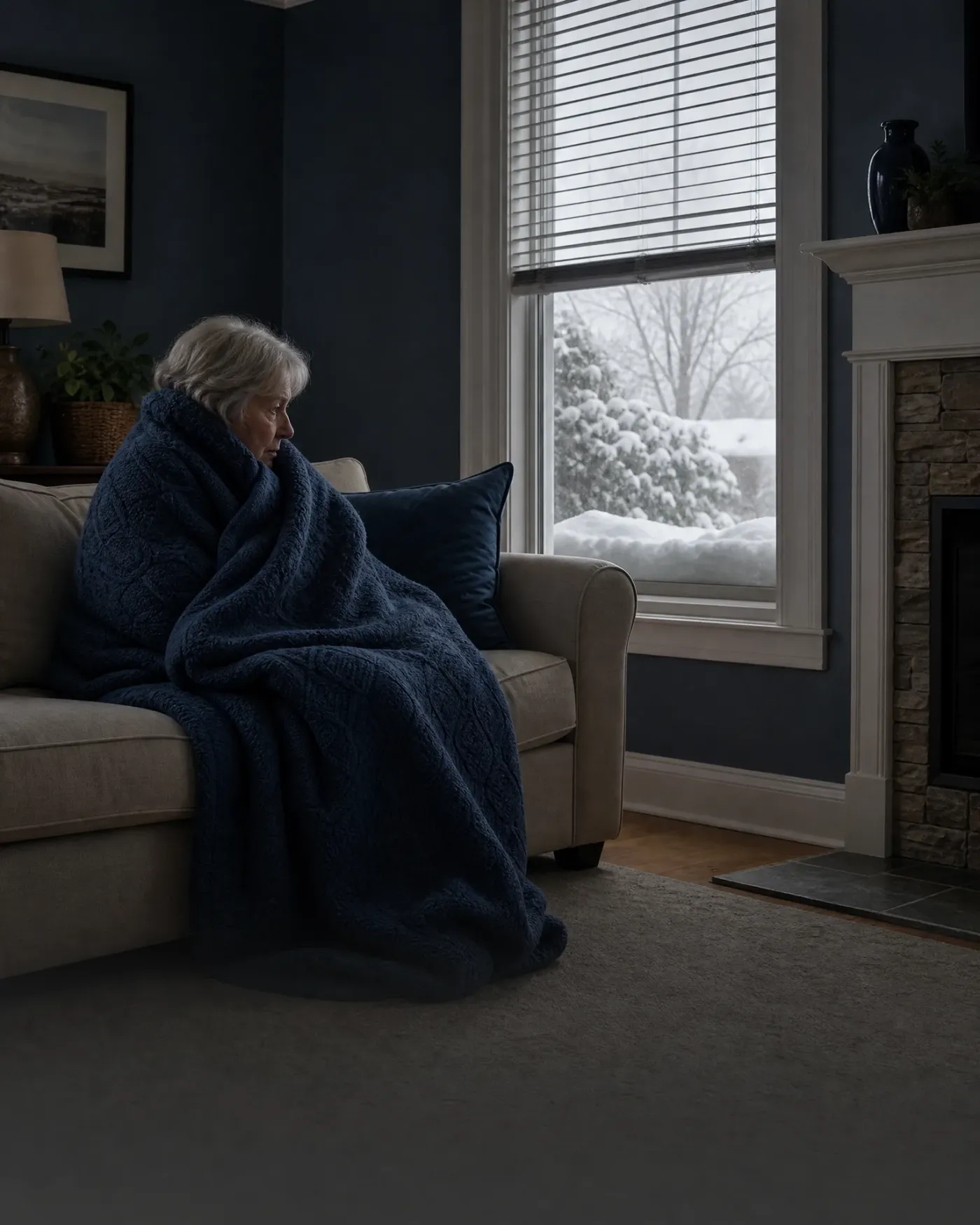
You wake up before the alarm because the room feels wrong. Your feet hit a cold floor and the radiator under the window is silent, no tick, no hiss, nothing moving inside it. The glass has a thin sheet of ice on the inside, and your breath shows in the air for a second before it fades. You put a hand flat on the radiator's ridges anyway, the way you always do, and it tells you what you already knew walking in. Outside it's still dark, the kind of January morning where the block is quiet because nobody wants to be out in it. You pull a sweater on in a room that should already be warm by now and go find the bleed key.
What makes steam go up some radiators and not others?
You wake up before the alarm because the room feels wrong. Your feet hit a cold floor and the radiator under the window is silent, no tick, no hiss, nothing moving inside it. The glass has a thin sheet of ice on the inside, and your breath shows in the air of a New York apartment that's supposed to have steam heat. Meanwhile the radiator in the next room is hot. You want to know why steam reaches one and not the other before you call anyone.
A stuck or clogged air vent usually blocks one radiator while steam reaches the rest
Steam rises through the pipes and pushes air out of each radiator through a small vent on the side. Once that air is gone, steam fills the radiator and it gets hot. If the vent is stuck shut, painted over, or clogged with mineral buildup, the air has nowhere to go, so steam can't get in behind it. That radiator stays cold while every other one in the building heats up fine, because each vent works on its own. A pitched radiator, tilted slightly toward the valve, can cause the same problem if water pools where it shouldn't and blocks the steam. A licensed plumber who works on steam systems in New York buildings can tell which one it is by checking the vent itself.
Why bleeding works
A radiator valve lets water or steam in at one end. Air that gets trapped inside has nowhere to go, so it sits at the top and blocks the space water needs to fill. The bleed valve is just a release point for that air. Open it, hear the hiss drop off into a thin stream, then a few drops of water, and you know the air is gone and the radiator can fill the rest of the way.
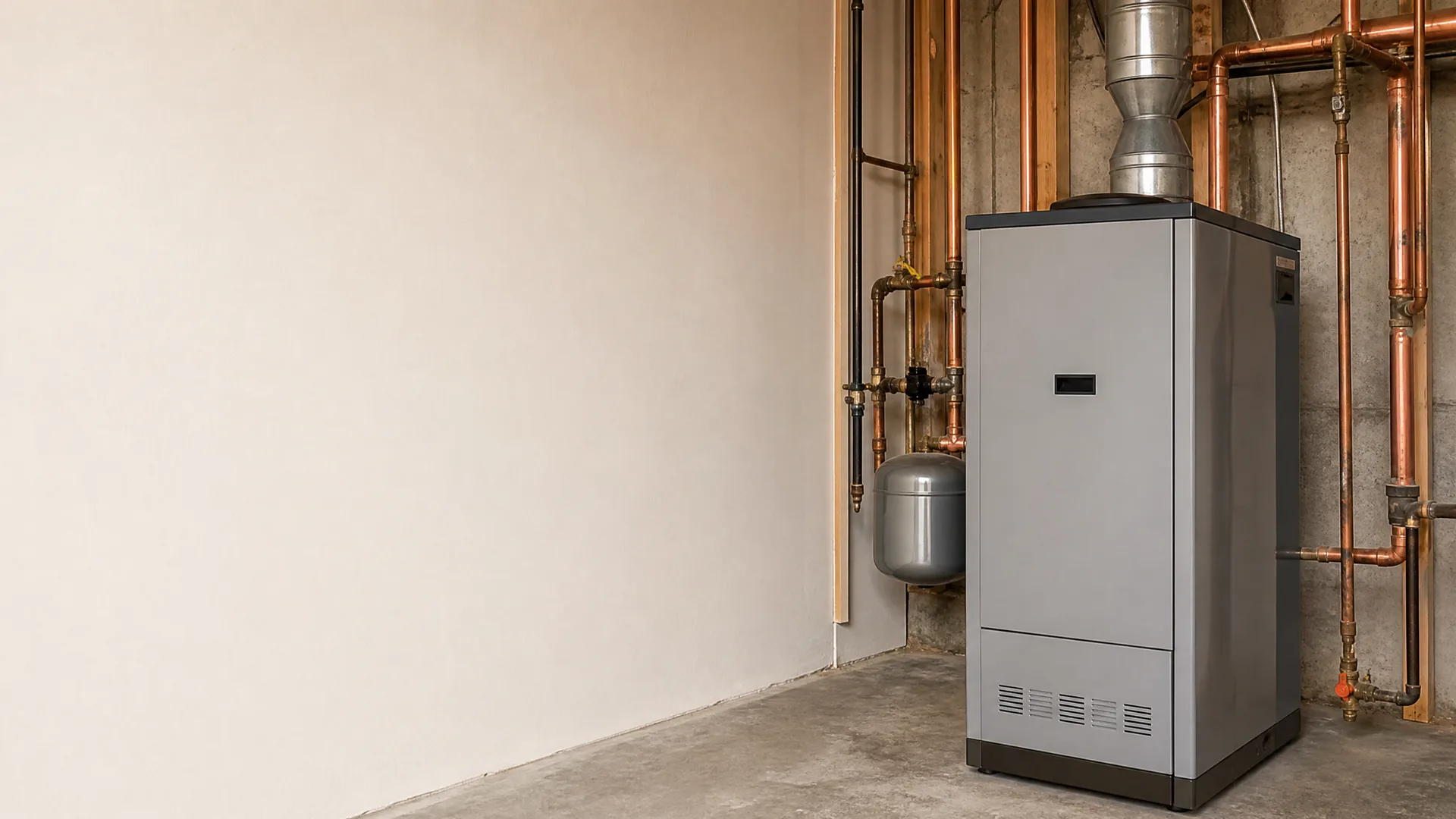
What the valve actually does
Every radiator has an inlet valve that controls how much steam or water gets in, and on older systems in New York buildings that valve can seize from age or mineral buildup. A stuck valve looks the same as a radiator full of air: cold metal, no sound, no heat. Bleeding won't fix that. If bleeding a radiator brings up no air and no water either, the valve itself is the part blocking flow, not trapped air.
Bleed It or Call for Help
Bleed it yourself
- A radiator key or a flathead screwdriver, depending on your valve, opens the bleed point at the top.
- You can do this while the boiler runs, so you'll feel the hiss stop and water appear within a minute or two.
- Fixes a radiator that stays cold while the rest of the apartment is warm, where the cause is trapped air.
- Won't help if the valve itself is stuck, corroded, or the pipe feeding that radiator is blocked.
- Safe to try first since it costs nothing and tells you whether the problem is air or something mechanical.
Call a contractor
- A stuck valve, a failing steam trap, or a blocked return line needs tools and parts a homeowner doesn't have on hand.
- A local plumber who works on steam and hot water systems all winter has seen which parts in older buildings fail first.
- One contractor takes the call, looks at your system, and gives you a diagnosis instead of you explaining the problem to several companies.
- Worth it when bleeding doesn't fix the radiator, or when more than one radiator in the apartment stays cold.
- Skips the work of searching around and comparing quotes when you've got a cold apartment and gas heat that isn't reaching every room.

Boiler heats water into steam or sends hot water out.
A main line carries it to each radiator's supply valve.
Water or steam enters the radiator and pushes air upward.
Trapped air collects at the top and blocks the flow.
What a cold radiator is doing to the rest of your apartment
Walk the apartment and check the other radiators. If the rest are hot and only one is cold, that one isn't pulling its share, and the boiler keeps running longer to make up for it. That shows up on your gas bill, and with New York power rates what they are, any extra runtime costs you. If more than one radiator is cold, or the whole place feels off no matter how high the thermostat goes, the problem may not be air at all. It could be a valve that won't open or a steam system not building enough pressure to reach every unit. Left alone through a cold stretch, pipes that stay full of standing water in an unheated room are the real risk.




Skip calling around
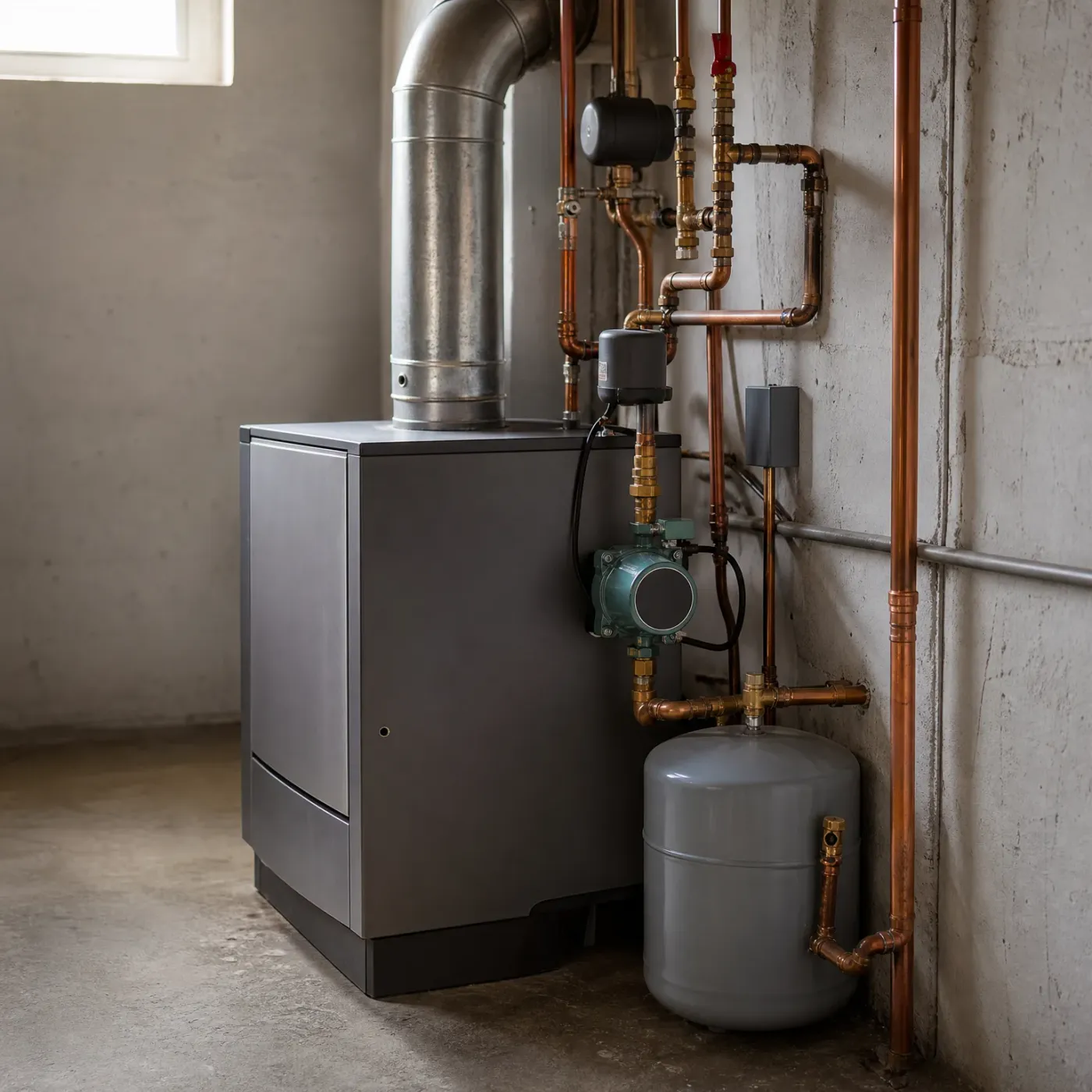
If you've bled the radiator and it's still cold, or the valve won't budge, or the whole line runs cold while the boiler clearly fires, that's past what a radiator key fixes. It could be a valve seized shut, a clogged return line, or a boiler that isn't building the pressure to push steam that far. Sorting out which one takes someone who's opened up a few hundred New York systems and knows that a fourth floor walkup with old steam pipes fails differently than a two family with hot water baseboard. A licensed local contractor gets your request, not a handful of companies splitting your attention while you explain the same cold radiator five times. You get back to the part that matters: heat in the room before the next cold night, instead of calling around a trade you don't work in while your apartment stays cold and the boiler runs anyway.
Waiting on a seized valve
A radiator valve that won't turn can seize worse if someone keeps forcing it, and a cracked valve body means a leak into the wall or floor below. Left alone, that one cold radiator makes the boiler run longer to heat the rest of the apartment, and in a building with steam risers, a stuck valve on one floor can throw off the balance on others. Waiting also means living with a cold room through whatever cold comes next, and if the valve finally fails outright, you're looking at a shutoff and a repair under worse conditions than today. None of this fixes itself. A valve that's stuck in January is usually a valve that was already sticking in November.
Getting it fixed now
A licensed plumber or heating contractor in New York who works on radiators every winter has likely seen this exact valve fail before and knows whether it can be freed, repacked, or needs replacing outright. That's one call instead of several, one person who already knows steam and hot water systems in New York buildings, not a search through listings and a round of quotes to compare. You explain the problem once. They look at the valve, the line, and the radiator itself, and tell you what's actually wrong instead of what a cold radiator might mean in general. Fixed now, the room heats again, the boiler stops overworking, and you're not gambling on a bigger failure later.
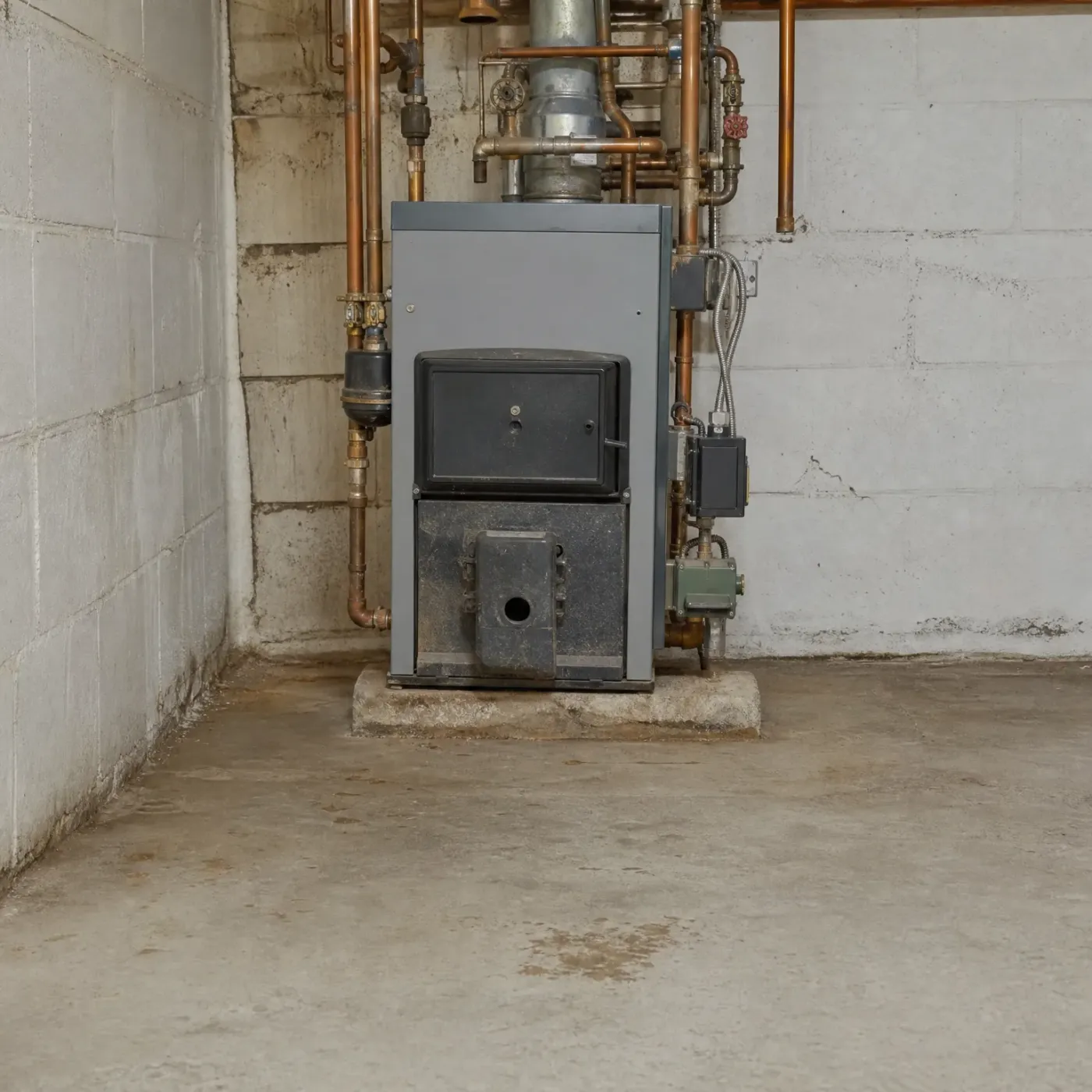
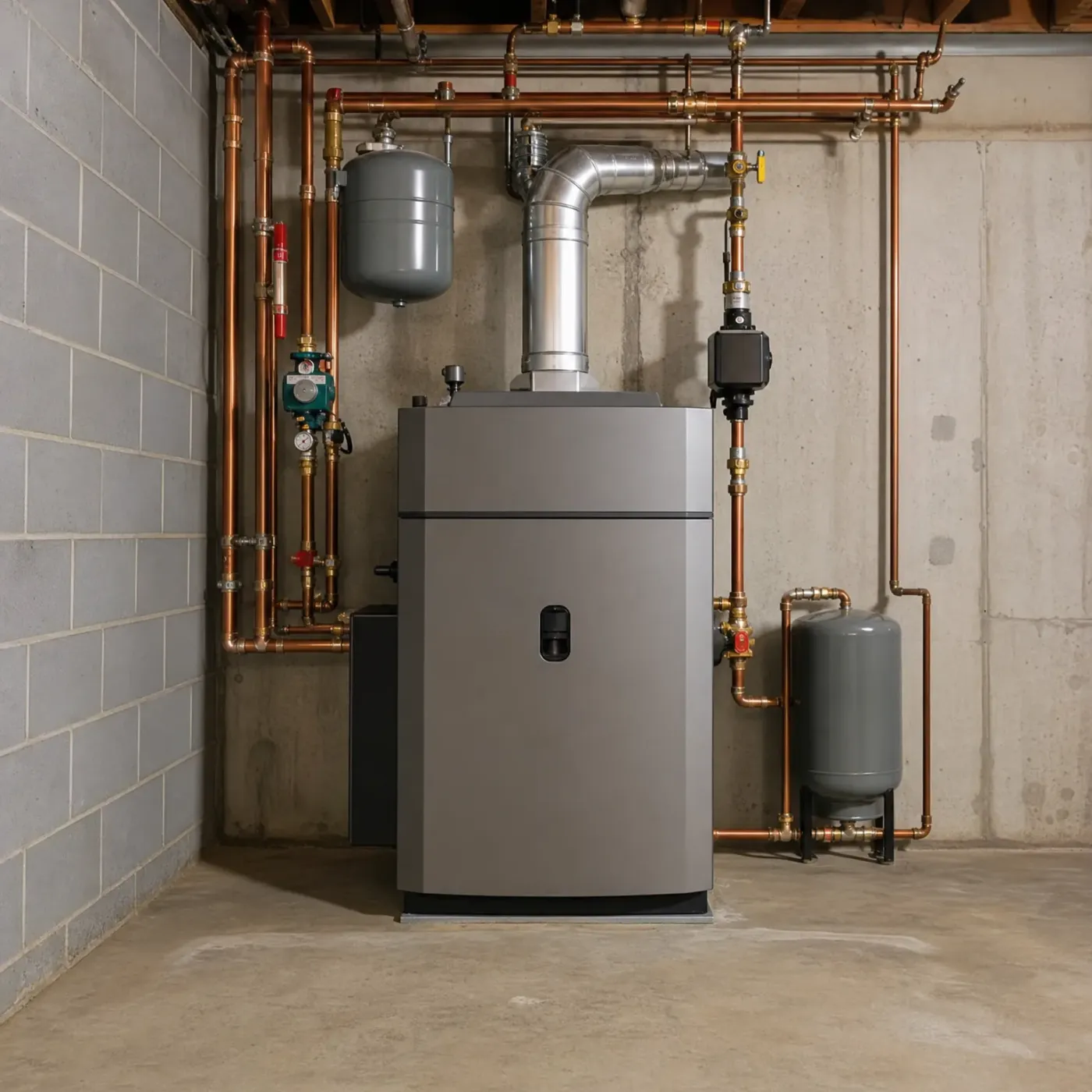
A tenant with a radiator problem can spend an evening calling heating companies, explaining the same symptoms five times, and waiting days for someone to show up who actually works on steam and hot water systems in New York buildings.
One request connects you to a licensed local contractor who works on this kind of system all winter and knows what a seized valve or a short-cycling boiler usually means before they walk in. No comparing quotes, no repeating yourself, no second call.


Winter nights average 24°F statewide
Overnight lows average 24°F across New York in December, January and February. That's well below freezing for most of the night, so a radiator that's slow to heat or stays cold has longer to let a room drop before anyone wakes up to it.
NOAA nClimDiv 1991-2020 county normals weighted by homes
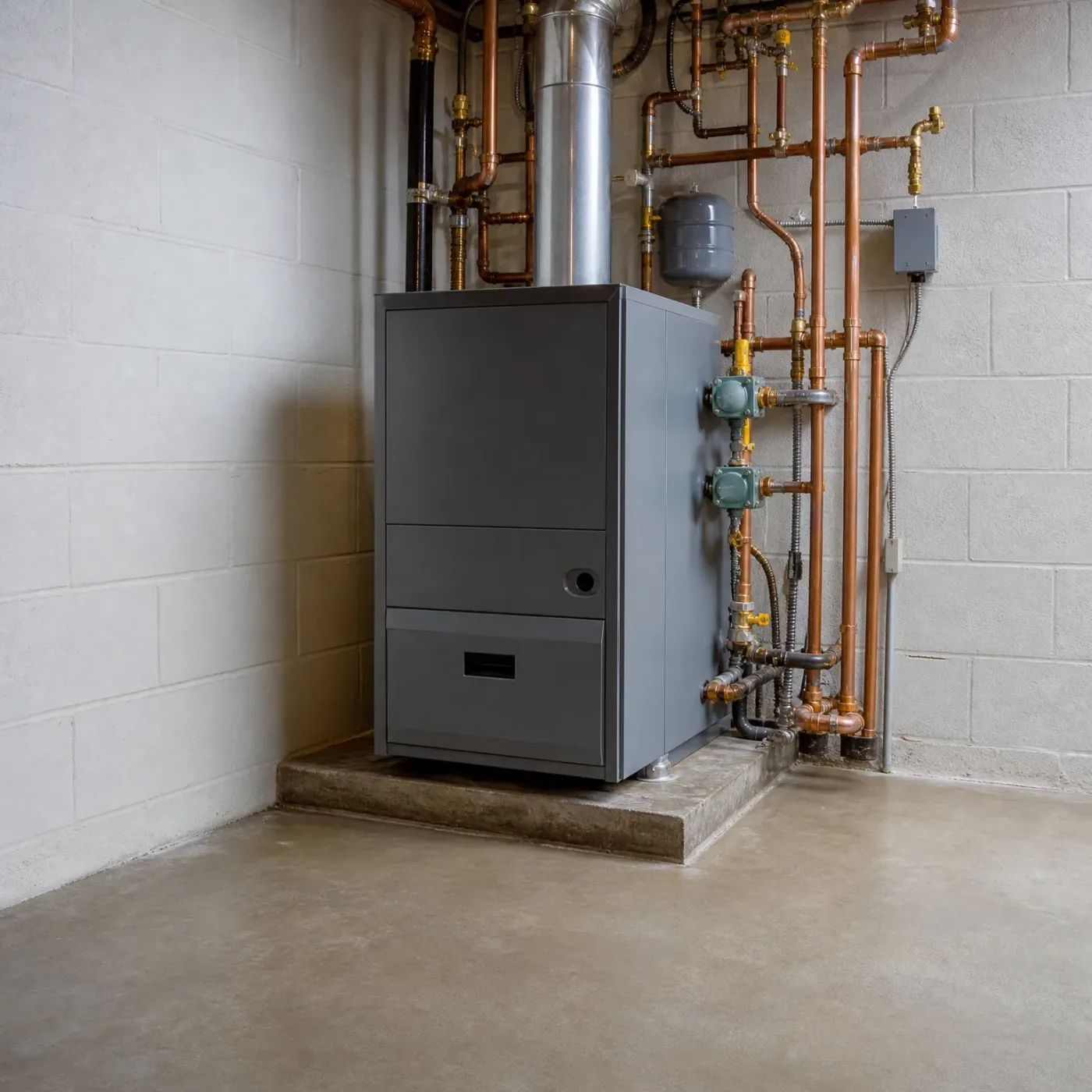
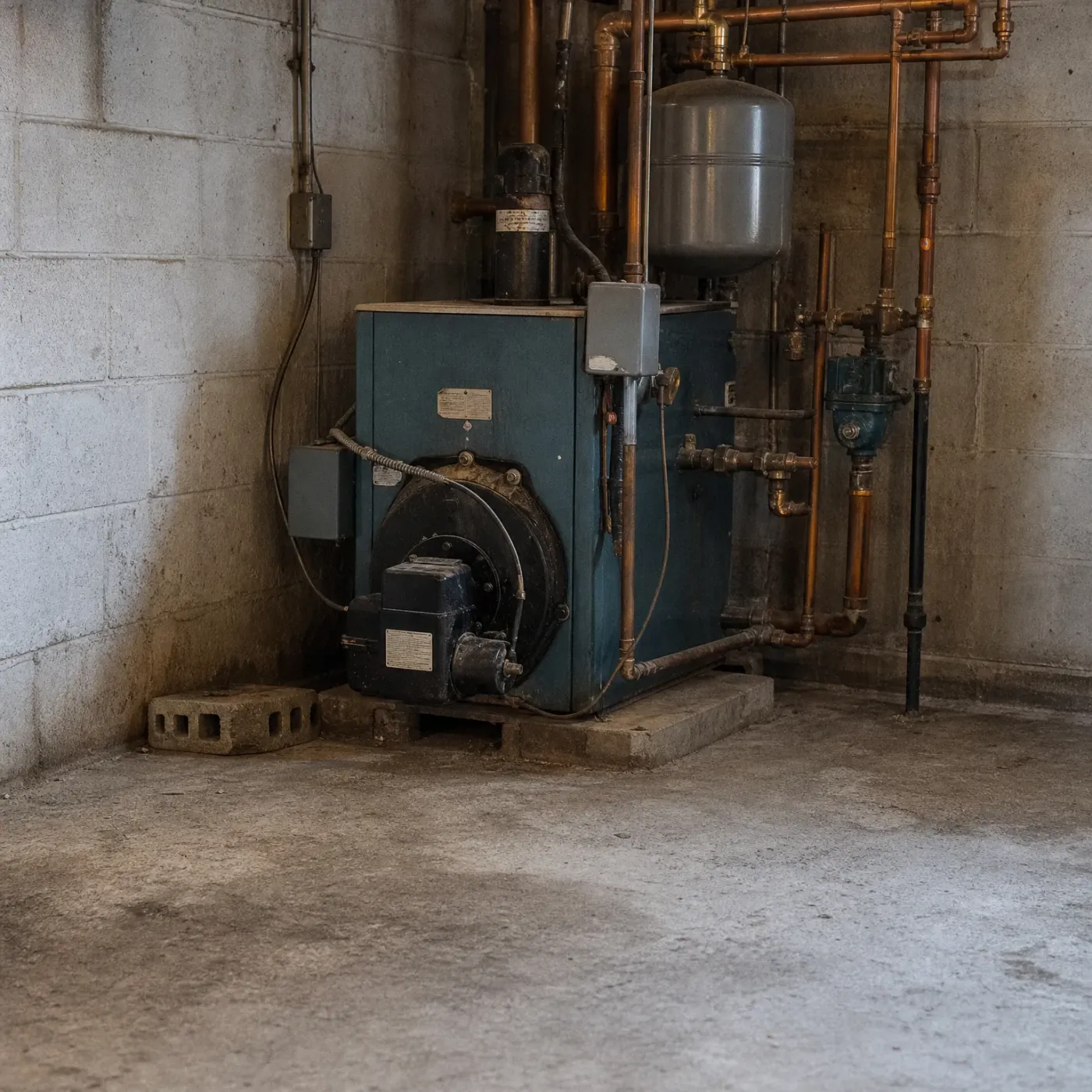
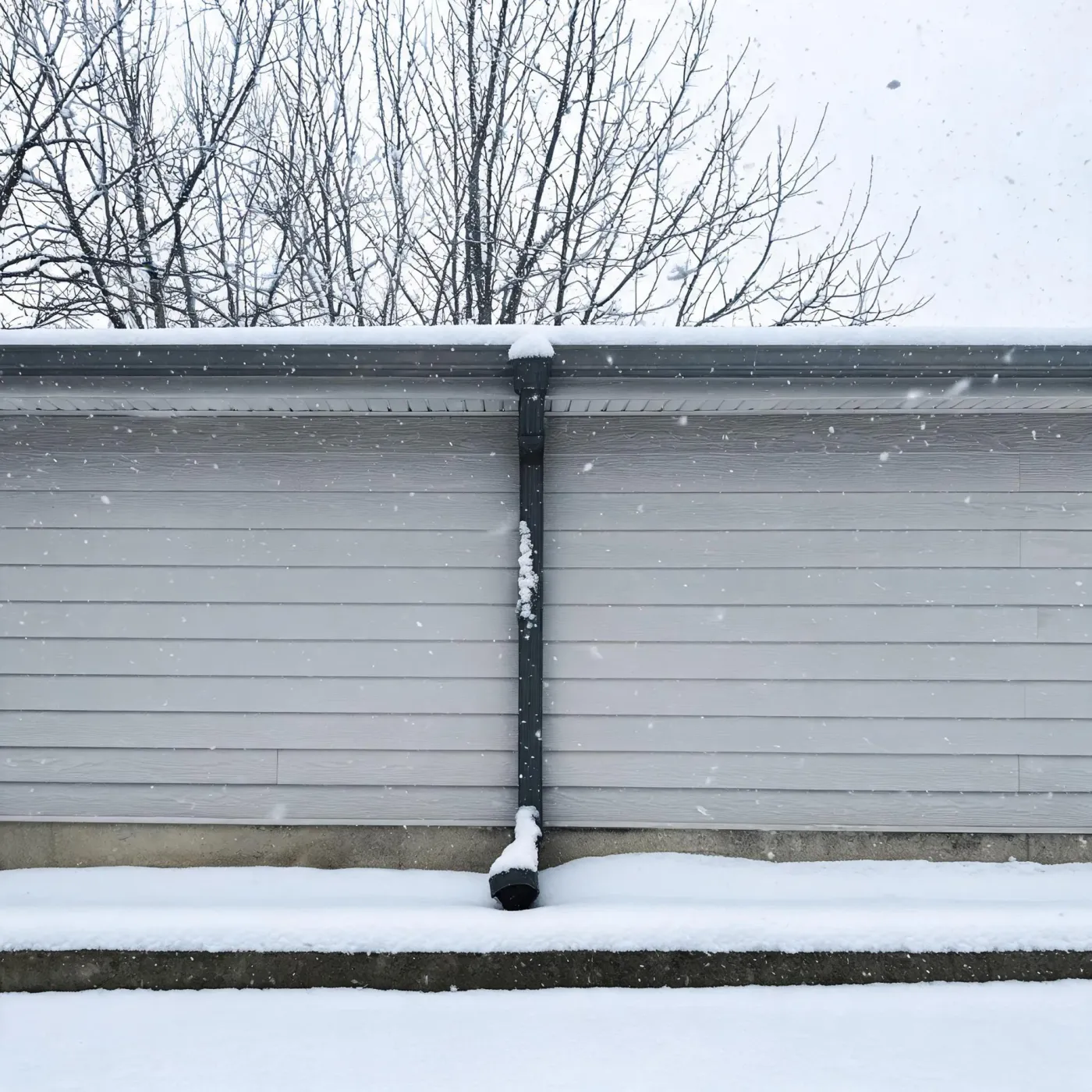
New York winter nights average 24°F statewide, per NOAA. At that temperature, a boiler is running long stretches just to hold a room steady, and every radiator is expected to carry its share of that load. One that's cold or barely warm means the rest are covering for it, often for hours at a stretch overnight. That's when a stuck valve or an airlock shows up fastest, because there's no mild stretch of weather to mask it. You'll notice it as a room that won't climb past 60 no matter how long the boiler runs, or a radiator that's warm at the bottom and cold at the top.
NOAA nClimDiv 1991-2020 county normals weighted by homes

A cold radiator has a reason, and it's fixable
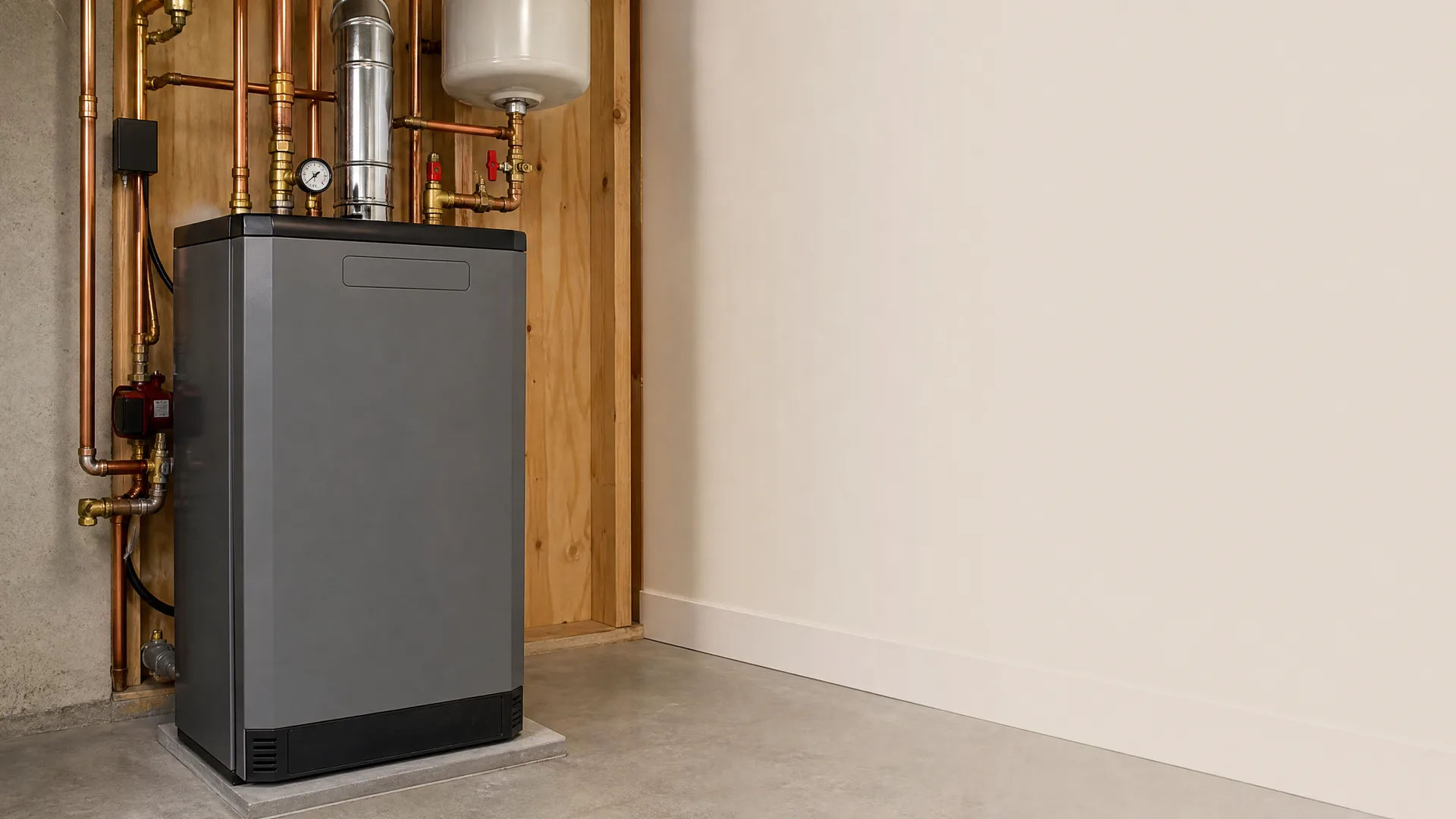
Most of the time it comes down to trapped air, a stuck valve, or a return line that's scaled up and not letting water or steam move the way it should. Bleeding solves the first one. The other two need a boiler technician who knows how steam and hot water systems move through a New York apartment building, not someone guessing at it.
If you're past the point a radiator key can fix, you're otherwise looking at calling around to a handful of heating companies, describing the same cold radiator and the same silent valve to each one, then waiting to find out which of them actually works on this kind of system. One request puts you in touch with a licensed local contractor who already knows what tends to fail in these buildings, and you explain it once.