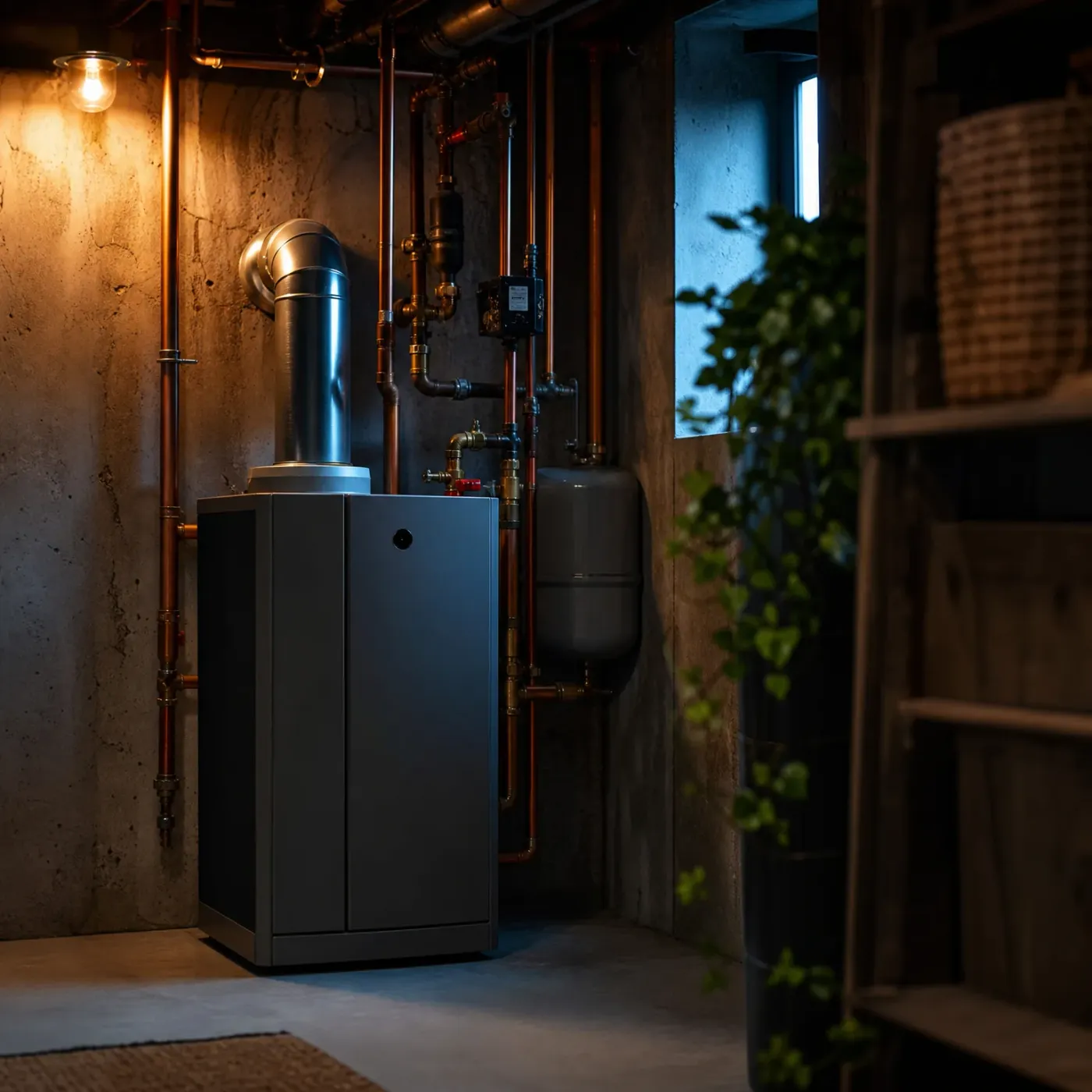
A dark grey floor-standing boiler with a metal flue stands against a concrete basement wall, surrounded by copper pipework, valves and a wall-mounted expansion tank, with ivy and a shelving unit at right.

A local pro for your boiler repair

Why your boiler is losing pressure in New York

A boiler that keeps dropping pressure usually has a leak somewhere, or air trapped in the system, or a failing part letting water escape where you can't see it. This page walks through what causes it and what to check before it leaves you without heat. If you'd rather have someone look at your system directly, you can get matched with a local boiler contractor who handles this kind of repair regularly.

Get matched

A boiler loses pressure for one of a few reasons. Water is escaping somewhere, through a loose valve, a worn seal, or a hairline crack in a pipe, and you may never see the puddle if it's dripping inside a wall or under the floor. Or the system has air in it that needs bleeding, which throws the pressure reading off without any water loss at all. Sometimes it's the expansion tank or the pressure relief valve itself failing, letting water out each time the system heats up. In New York, where most homes run on gas heat through a cold winter, a boiler that keeps losing pressure will eventually shut itself down to protect against running dry, and that means no heat on a night you need it. Catching this early, before the pressure drop turns into a breakdown, is the difference between a small repair and being without heat while someone gets to the house.

Winter nights average 24°F statewide

At 24°F, your boiler is cycling on most of the night to keep the house warm, and every cycle puts the system through another round of heating and cooling that stresses joints and seals. A slow leak that held steady in milder weather can show itself now as pressure that keeps dropping.

NOAA nClimDiv 1991-2020 county normals weighted by homes

The leak drips slowly

You top off the pressure every week or two and it holds for a while before dropping again. That pattern points to a small leak, maybe a valve that's not seating right or a pinhole in a pipe you can't see. It's easy to put off because the boiler still runs and the house still heats. But each refill adds fresh water full of oxygen, and that oxygen works on the inside of the pipes and the heat exchanger. A leak that's manageable in October can turn into a cracked fitting by January, usually on the coldest night of the year.


The pressure drops fast

You fill it, and within a day or two it's back down near zero. This isn't a slow weep, it's water leaving the system quickly, or air is getting pulled in somewhere and throwing the pressure reading off entirely. A failing expansion tank or a cracked heat exchanger can both do this, and neither gets better on its own. If your boiler is losing pressure this fast, it usually needs a look before the next cold snap, not a refill and a wait-and-see.

A bearded man in a plaid flannel shirt stands in a kitchen looking out a window toward snow-covered shrubs, with a steaming mug on the windowsill and potted plants on a shelf behind him.
A smiling man with dark curly hair in a navy t-shirt sits on a gray couch indoors, with a large-leafed plant and a window in the background.
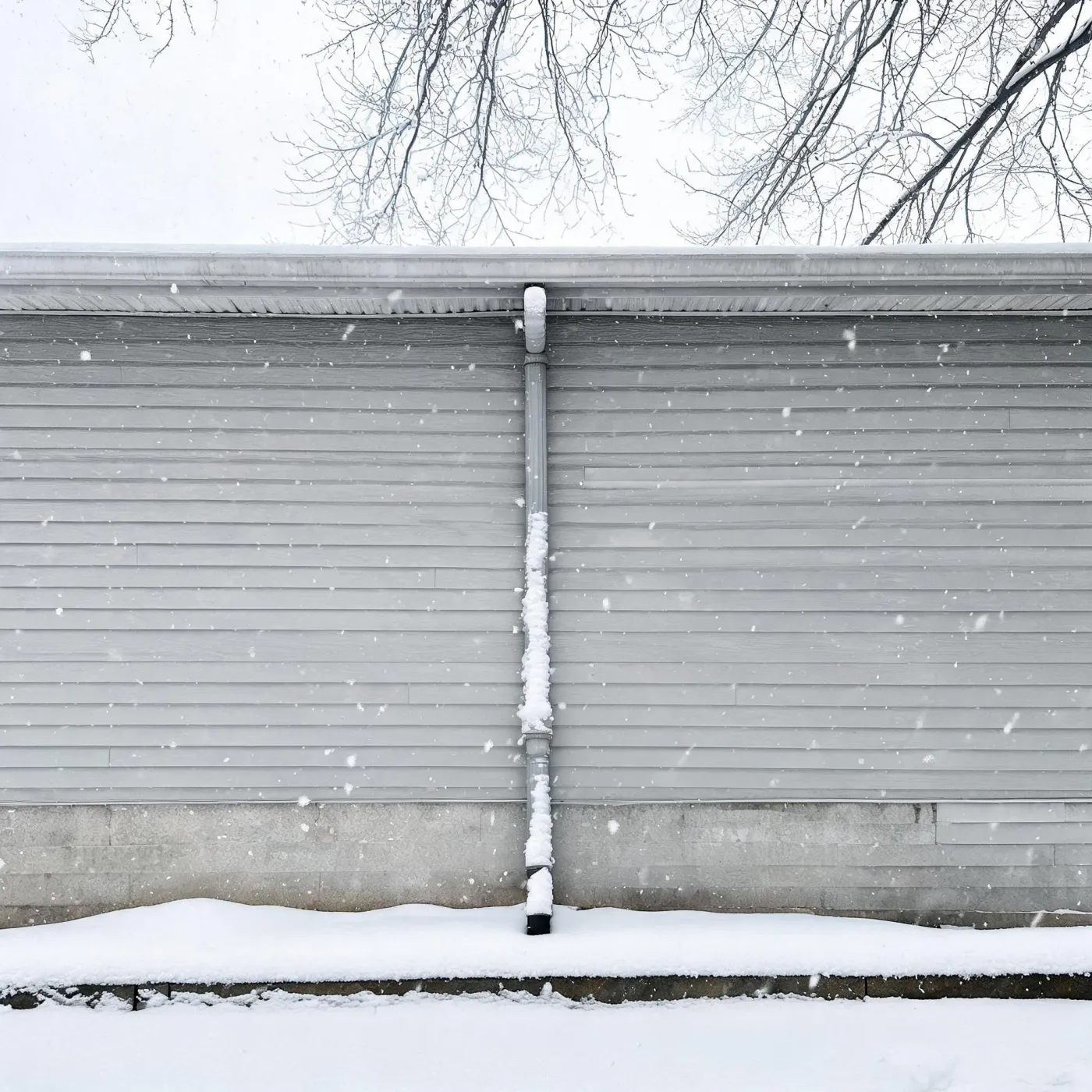
Gray horizontal lap siding on a building above a concrete block foundation, with a central downspout partly coated in snow, falling snowflakes, snow-covered ground, and bare tree branches against a white sky.

Statewide, winter nights average 24°F, and that's the stretch when a marginal leak turns into a real problem. Cold water drawn into the system from the feed line contracts the metal in the pipes and fittings, just enough to open up a joint that was already weak. A seal that held fine in October can start weeping in January. You'll notice it as pressure that falls faster than it used to, or a boiler that used to go a week between top-offs now needing one every few days. The cold isn't creating the leak. It's finding the weak point you already had and making it worse. Source: NOAA

NOAA nClimDiv 1991-2020 county normals weighted by homes

Keep Topping It Off, or Find the Leak

Live with it

  • You keep a pressure gauge in view and top it off when it drops below 1 on the dial, which buys time but doesn't stop the leak.
  • Every refill brings in fresh water loaded with oxygen and minerals, and that speeds up corrosion inside pipes and the heat exchanger.
  • A boiler that keeps losing pressure will eventually trip its low-water cutoff and shut down, usually on the coldest night it's picked for.
  • If the leak is behind a wall or under a floor, you won't see water damage building until a ceiling stains or a floor softens.
  • Gas prices in New York aren't cheap, and a boiler fighting trapped air or a slow leak runs its burner more than it needs to.

Get it looked at

  • A contractor who works on boilers all through a New York winter has seen most of what causes this and can usually narrow it down fast.
  • Pressure testing the system finds a leak before it reaches a wall cavity or a floor joist, where repairs get a lot more involved.
  • Bleeding trapped air and resealing a worn valve is often a short visit, not a full system teardown.
  • You get matched with one licensed local contractor, not a list of five companies calling you the same afternoon.
  • Catching it now means one visit instead of waiting for a cutoff shutdown or water damage to force the issue in January.
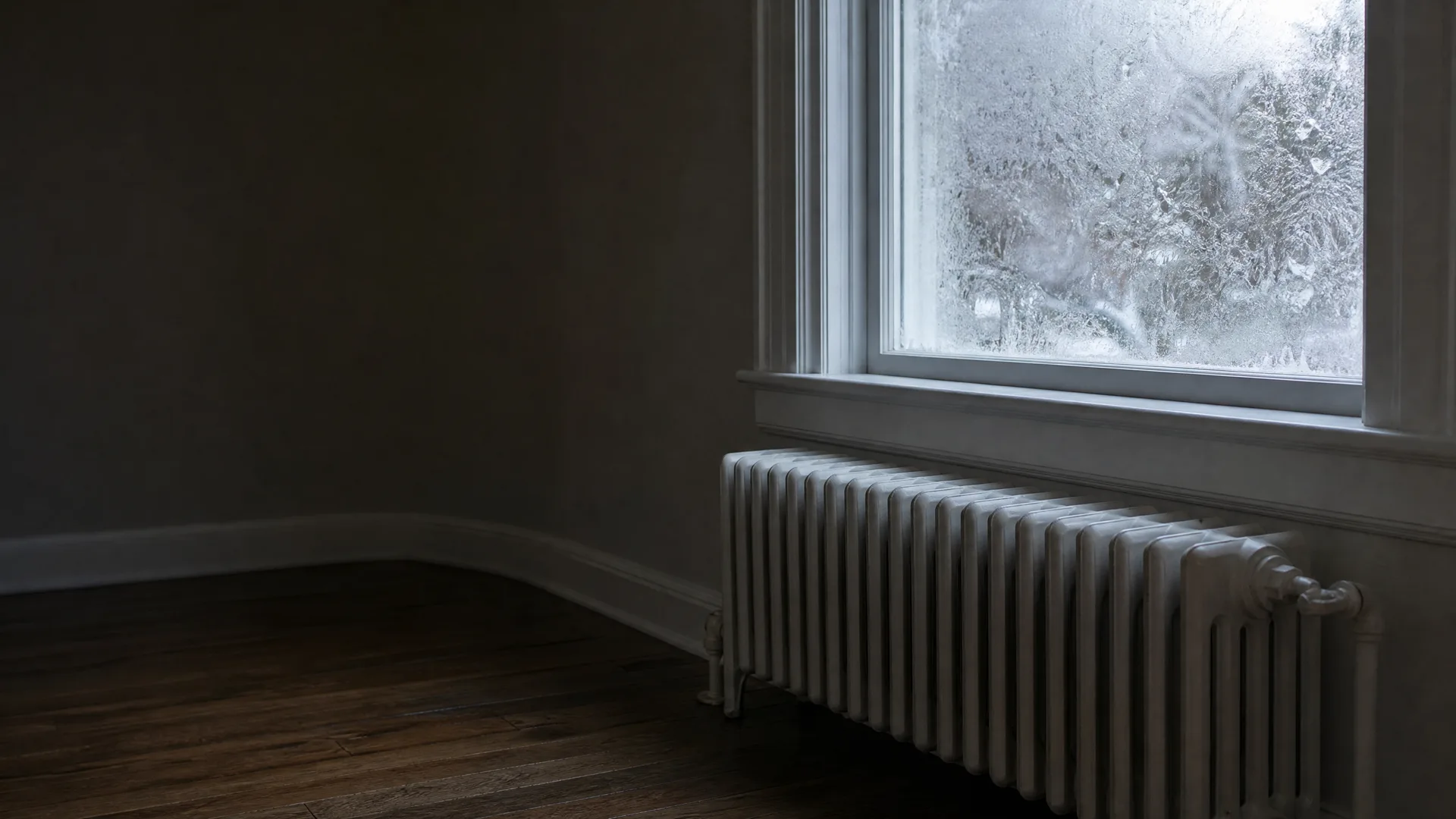
A white cast-iron column radiator under a frosted window in a dim empty room with dark walls and a wood floor, with snowy trees visible outside.

The radiator under the window has frost climbing the inside of the glass above it, and the room is still cold. It's just past six, and you came down to find the pressure gauge sitting under 1 again, same as last week. You crack the boiler room door and listen for the hiss that usually means the feed valve is open, topping itself back up the way it's done for a month now. The cast iron ticks as it heats, slow, and you stand there with your coat still on, watching the needle climb. Somewhere between the floor and the wall, water is finding a way out, and this is the third morning in a row you've caught it before the house warmed up.

Get the right pro for your boiler

Your request goes to one pro, not a list of companies.

Sending the form costs nothing.

  1. Water escapes through a leak, seal, or open valve.

  2. The pressure gauge on the boiler starts to drop.

  3. Low pressure trips the sensor meant to protect it.

  4. The boiler locks out and heat shuts off.

What part usually fails first when a boiler loses pressure?

You've already topped off the pressure a few times and you're wondering if this is going to keep happening, or if there's one part that's worn out and just needs replacing. Before calling anyone, it helps to know what actually tends to go first, so you're not guessing in the dark about whether this is a quick fix or something bigger.

The pressure relief valve and the automatic air vent fail most often

The pressure relief valve sits under more stress than most other parts, and a worn seat or weak spring lets it weep water slowly, often without a visible puddle since it drains toward a pipe near the floor. The automatic air vent is the other common culprit. It's built to let trapped air escape, and the same seal that does that job wears out and starts letting water past it instead. Both parts are small and cheap compared to the rest of the system, which is why a contractor checks them first rather than assuming a cracked pipe or a failing heat exchanger. Finding either one wet is often the whole answer.

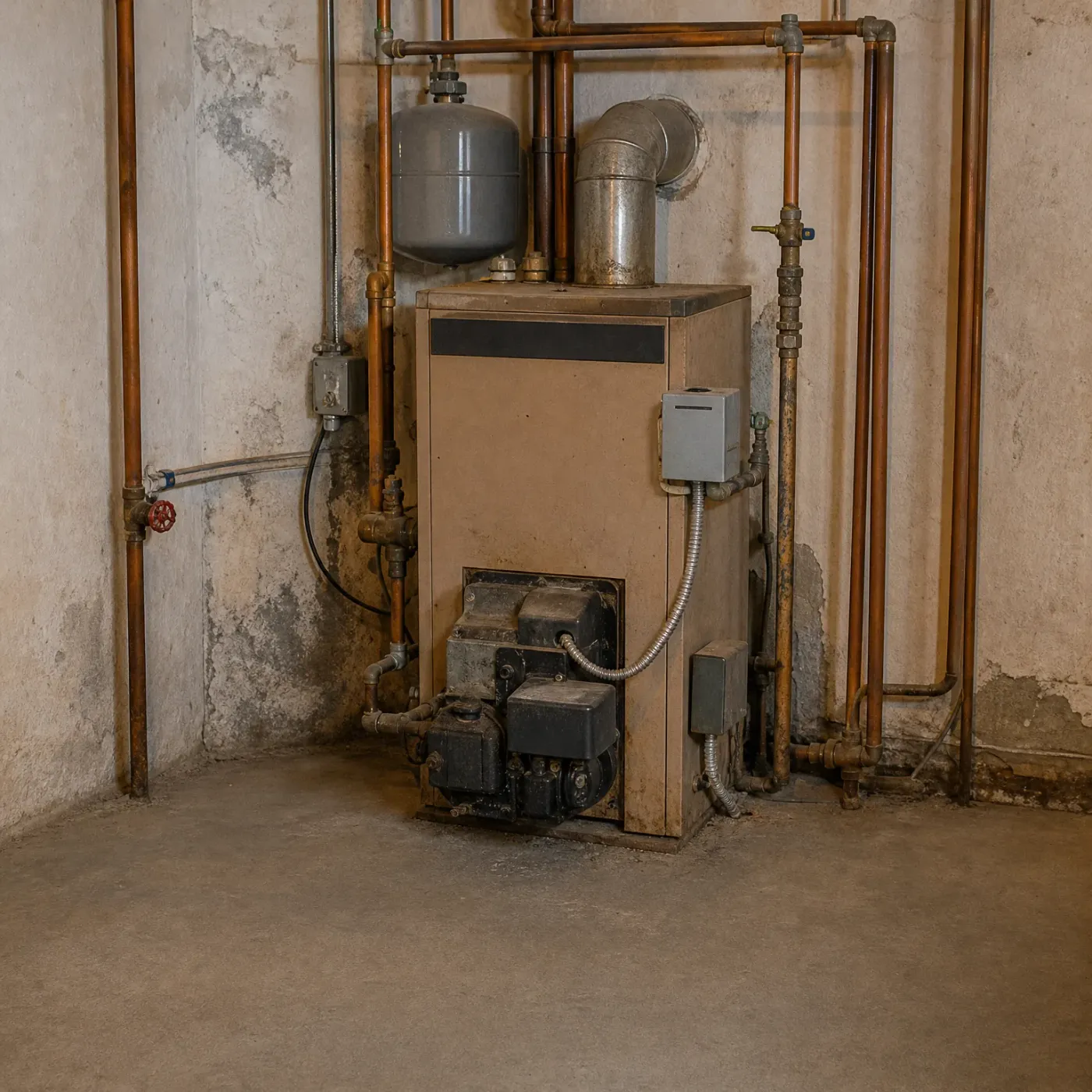
An older oil-fired boiler with a burner unit, flue pipe, expansion tank and copper piping stands in the corner of a concrete-floored basement with weathered plaster walls.
Before you get your boiler repair
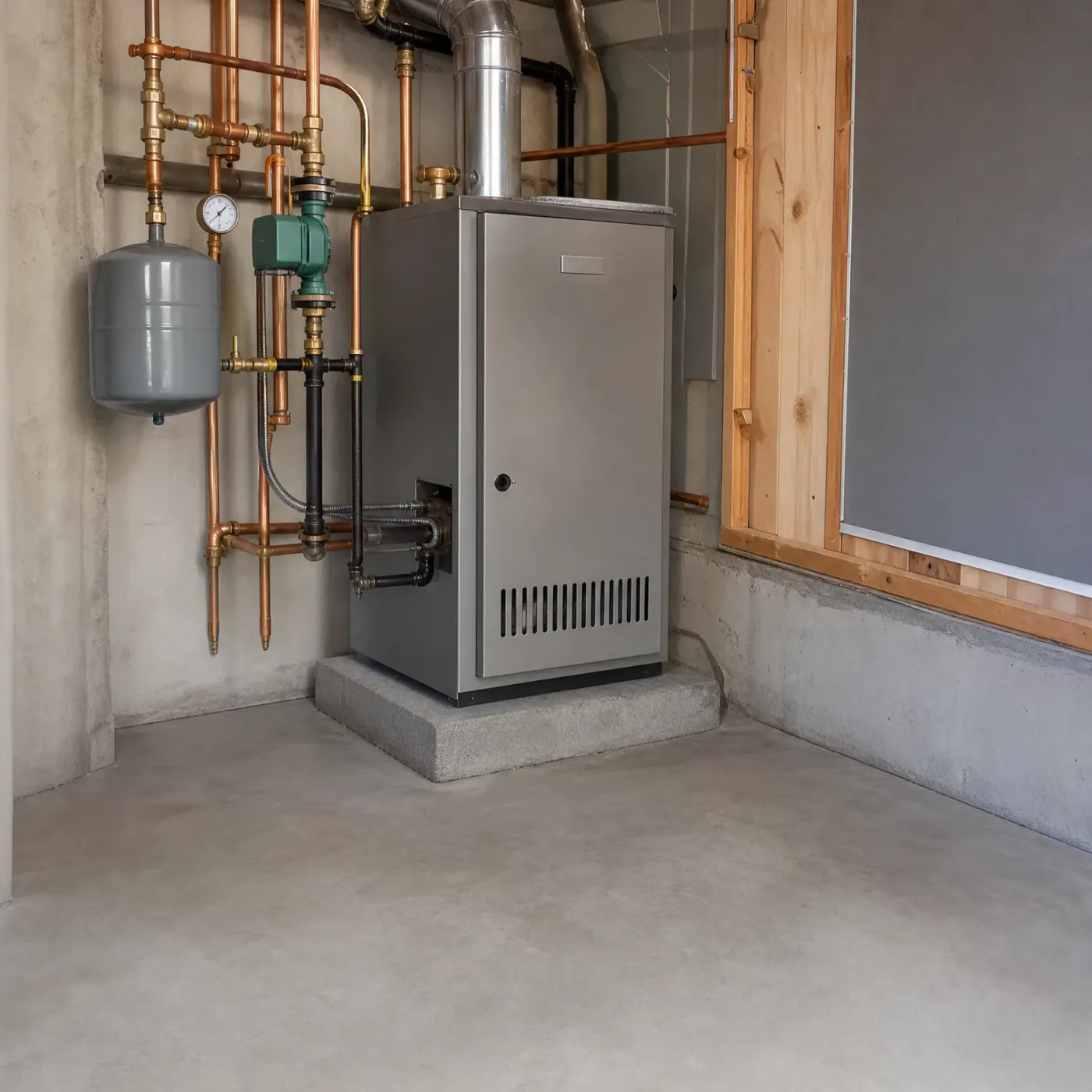
A gray boiler on a concrete pad in a basement corner, connected to copper and black pipes with a gauge, circulator pump, and gray expansion tank, beside a wood-framed wall.
After you get your boiler repair

What a Dropping Gauge Tells You

  • Dropping pressure means water is leaving the system somewhere, whether through a visible drip or a slow seep you can't see.
  • A gauge that needs topping off every week or two points to a small leak, not a one-time fluke.
  • Air pockets and a failing pressure relief valve can mimic a leak and need their own fix.
  • Cold nights make a marginal leak worse, since contracting metal can open a joint that was already weak.
  • Refilling the system repeatedly brings in fresh oxygen and minerals that speed up corrosion elsewhere in the pipes.
  • A boiler that locks out from low pressure needs a technician to find where the water is going before it's reset.

Pressure doesn't drop on its own. Water is either leaving the system through a leak you haven't found, or air trapped somewhere is throwing off the reading, or a relief valve is opening when it shouldn't. Each one shows up a little differently, and that's why topping off the gauge and moving on doesn't settle anything. If you're refilling every week or two, something is wearing in a specific spot, a valve not seating right, a seal gone brittle, a pipe joint that's opened a hair. Cold nights don't cause that wear, but they expose it. Metal contracts in the cold, and a joint that held fine in September can start weeping in January once the temperature swings hard enough. Every refill you do in the meantime adds fresh water carrying oxygen and minerals that weren't there before, and that works on the inside of your pipes even while you're chasing the leak on the outside. None of this fixes itself. A boiler that locks out on low pressure has already told you it can't keep up, and resetting it without finding where the water went just buys another few days before it happens again. Someone who works on these systems can pressure test the loop, check the relief valve, and bleed the air out properly, which tells you in an afternoon what guessing at the gauge won't tell you in a month.

A woman in a gray turtleneck sweater stands by a window looking outside at snowy ground, with a dimly lit living room containing a sofa, shelves, lamp and a lit candle behind her.
A woman in a cream cable-knit turtleneck sweater stands in a warmly lit living room with a fireplace and shelves behind her, looking out a window toward snow-covered trees and a railed deck.
A woman in a cream knit turtleneck sweater stands by a window looking out at snow, with a lit fireplace, sofa and lamp in the room behind her.
A woman in a gray knit sweater sits by a window looking out at falling snow, with a dimly lit living room containing a sectional sofa, pillows, a lamp and houseplants behind her.

Boiler Repair

A pro who works on boilers

The pro who reaches out is licensed in New York.

A black-framed smartphone standing upright against a plain white background, its screen filled with solid green.
Step 1 of 3: Equipment