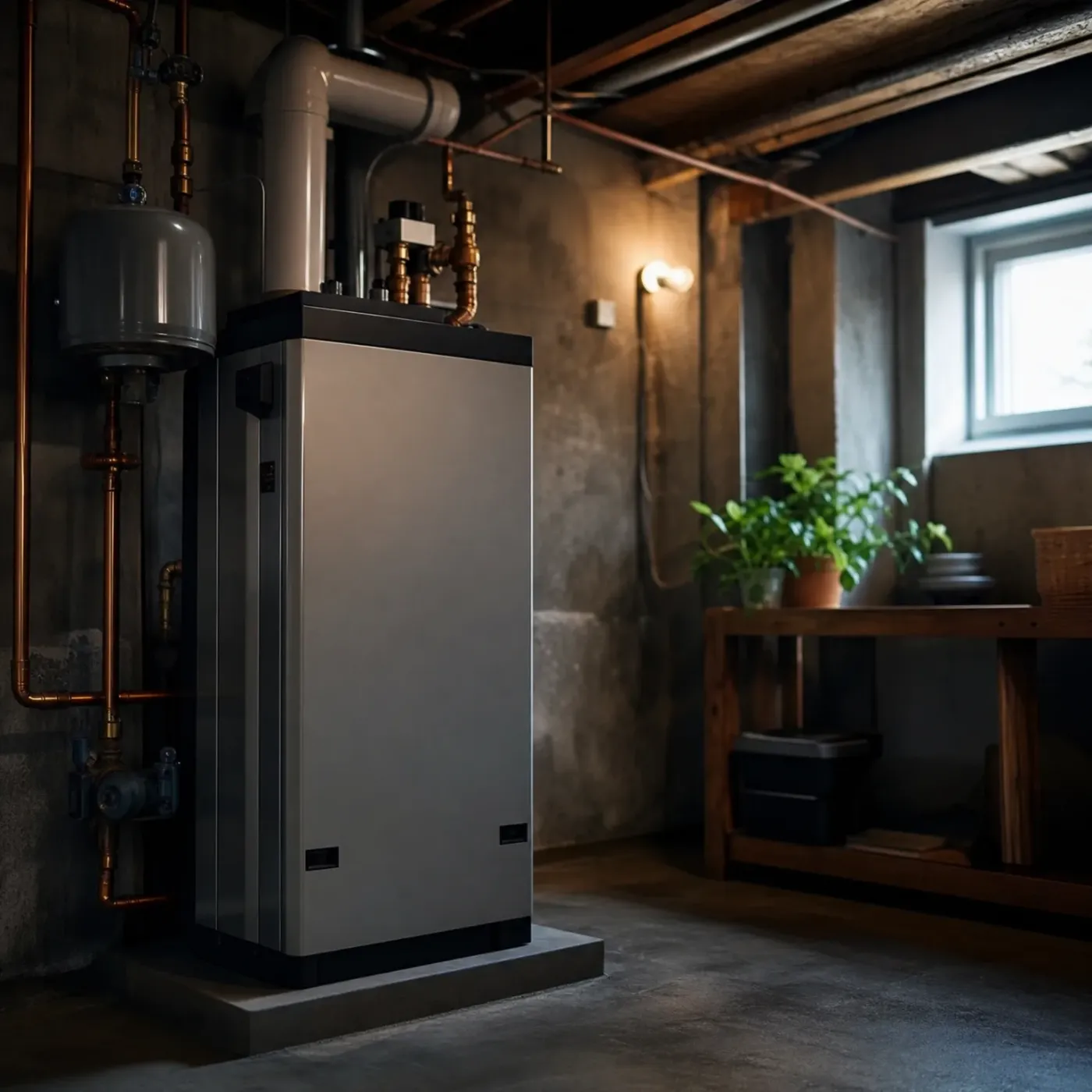
A floor-standing gray boiler unit on a concrete plinth in a basement, with copper pipes, an expansion tank, and a flue pipe above, a wall light, a small potted plant on a wooden shelf, and a window in the background.

A local pro for your boiler repair

Why one radiator stays cold in a New York winter

One cold radiator while the rest of the house heats fine usually means trapped air, a stuck valve, or a steam system that's out of balance. Which one depends on your setup and your boiler. Below is how to check it room by room, and a local contractor who works on New York boilers all winter can take a look if it's something past a bleed valve.

Find a pro near me

A single cold radiator almost always comes down to one of two things. On hot water systems, air gets trapped in that radiator and blocks the hot water from filling it, which is why bleeding it is the first thing to try. If bleeding doesn't fix it, the inlet valve may be stuck shut or closed by whoever last touched it, or the radiator sits at the far end of a loop and isn't getting enough flow to compete with the rest of the house. On steam systems, a cold radiator usually means the air vent on it has failed or clogged, so steam can't push the air out and fill the radiator the way it should. Either way, it's rarely the boiler itself. The boiler is heating the water or making steam fine. The problem is that one radiator isn't getting its share.

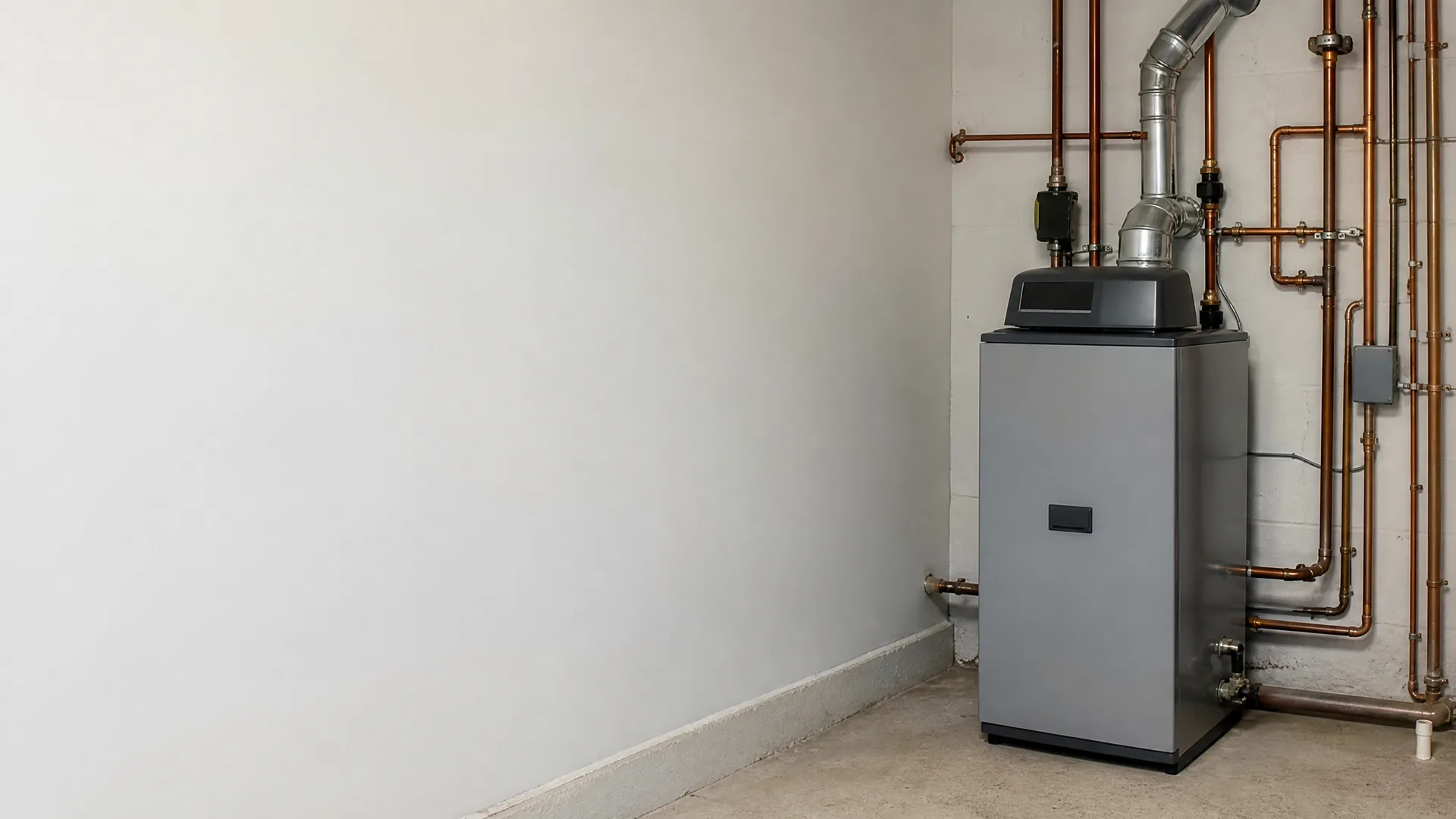
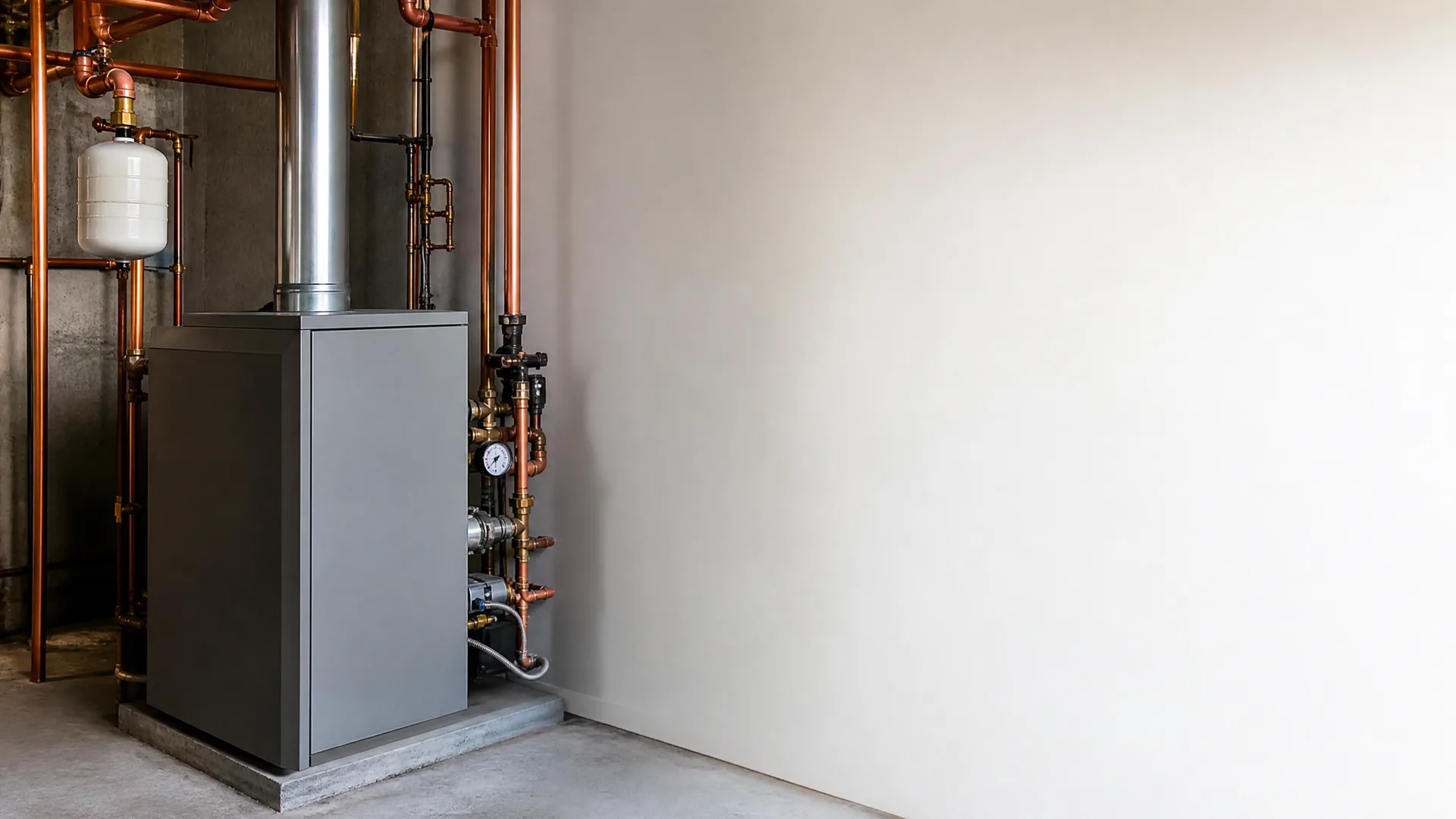
A grey floor-standing boiler with a metal flue and copper pipework, valves and a pressure gauge stands in the corner of a room with plain light walls and a concrete floor.

Hot water systems trap air at the top

A hot water system pushes water through the radiator with a pump, and any air inside rises to the highest point. If that point is the radiator at the far end of the loop, or the one on the top floor, air collects there and sits in the way of the water behind it. That's why the bleed valve is at the top corner of the radiator, not the bottom. Letting that air out is a short job, and most homeowners can do it themselves with a radiator key.

A gray floor-standing boiler with a metal flue pipe stands in the corner of a plain painted basement room, connected to copper pipes running along the wall.

Steam systems balance through pipe pitch

A one-pipe steam system relies on gravity to send condensed water back down the same pipe that carries steam up. If a radiator sits level instead of tilted slightly toward the pipe union, water pools inside it and blocks steam from getting in. The same thing happens if the steam valve, the one that looks like a small metal bell on the inlet pipe, has failed shut. A contractor who works on steam boilers around New York checks the pitch and the valve before anything else.

Why is only one radiator cold in my house?

You've checked and it's just the one radiator. The rest of the house is warm, so the boiler itself is working. That narrows it down, but it doesn't tell you whether the fix is something you can do tonight or something that needs a boiler tech out to look at the system.

It's almost always air, a closed valve, or a steam balance problem

On a hot water system, that one radiator is probably the farthest from the boiler or the one on the highest floor, since that's where trapped air collects first. On a steam system, a cold radiator usually means the air vent on its side has failed shut, so steam can't push the air out and get in. Either way, check that the valve at the base is open all the way. Homeowners sometimes close it partway to quiet a knocking pipe and forget it's not fully open. If the valve's open and bleeding doesn't bring water or steam through, the problem is likely inside the radiator or the line feeding it, and that's worth having a boiler contractor look at.

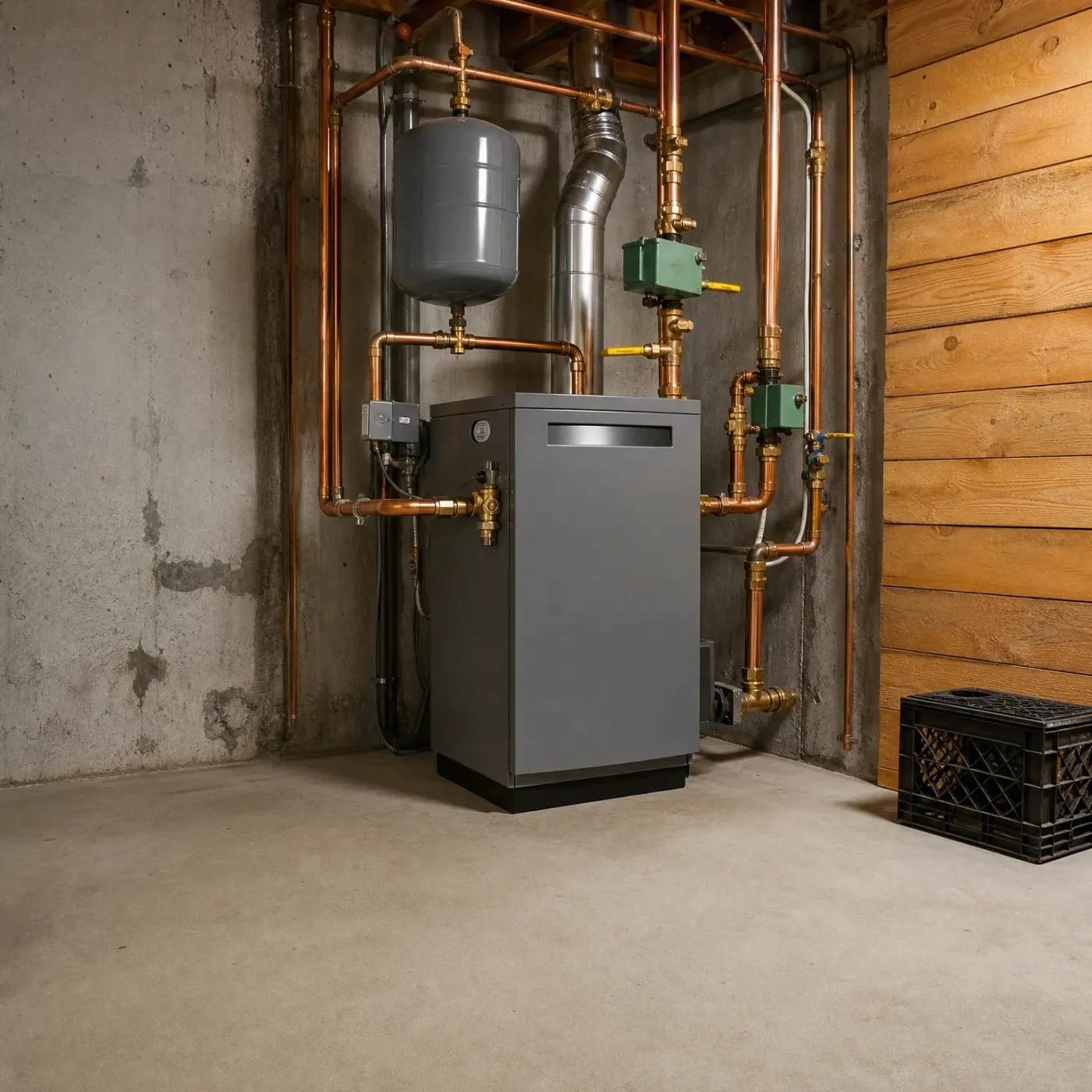
A gray boiler unit in a basement corner with copper piping, brass valves, a gray expansion tank, a metal flue duct, concrete walls and a wood-paneled wall, with a black plastic crate on the floor at right.

Boiler running as it should

This is a hot water boiler with its zone valves and circulators tied into a full loop of copper piping. Each zone gets its own valve, so one cold radiator usually traces back to air or a valve on that zone, not the boiler itself.

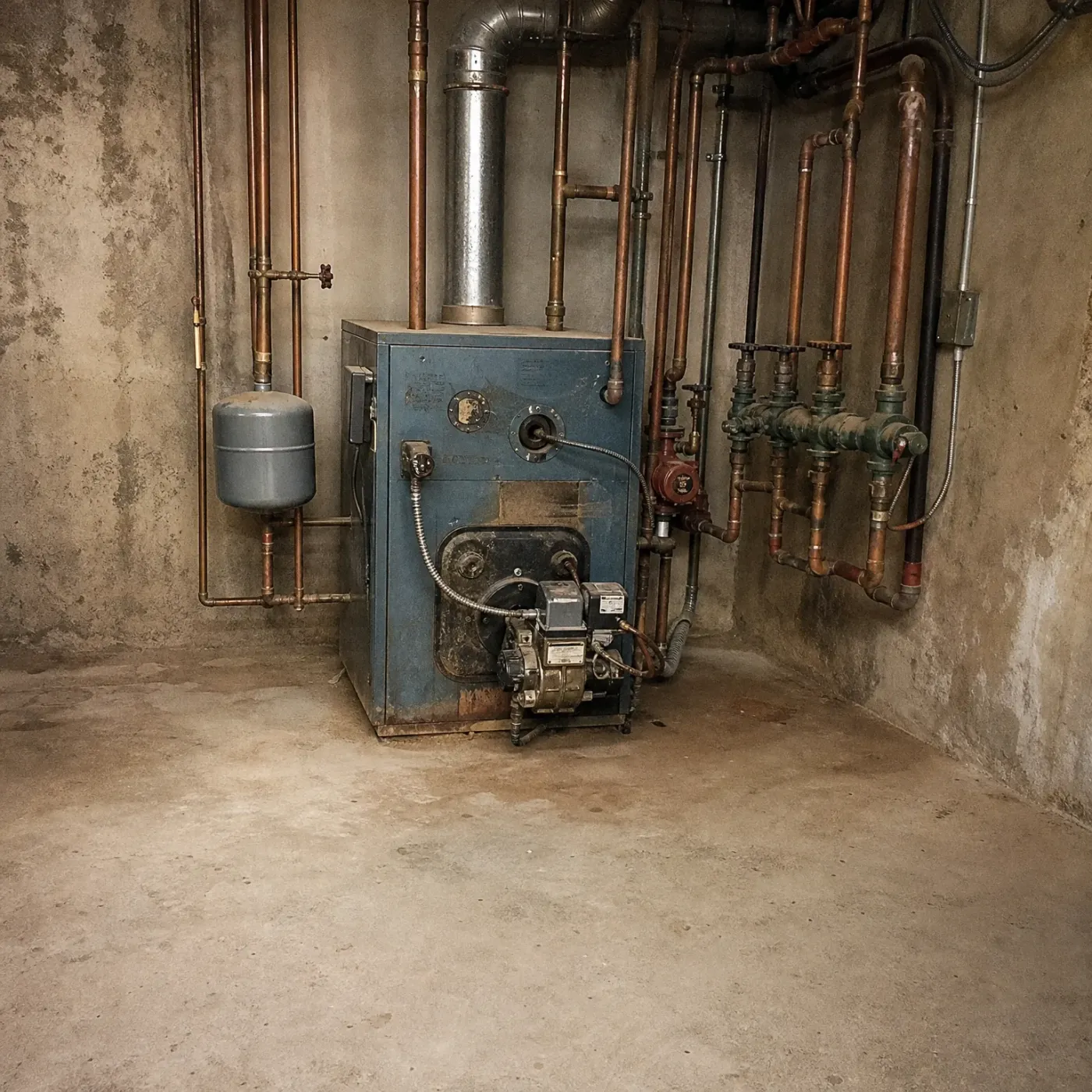
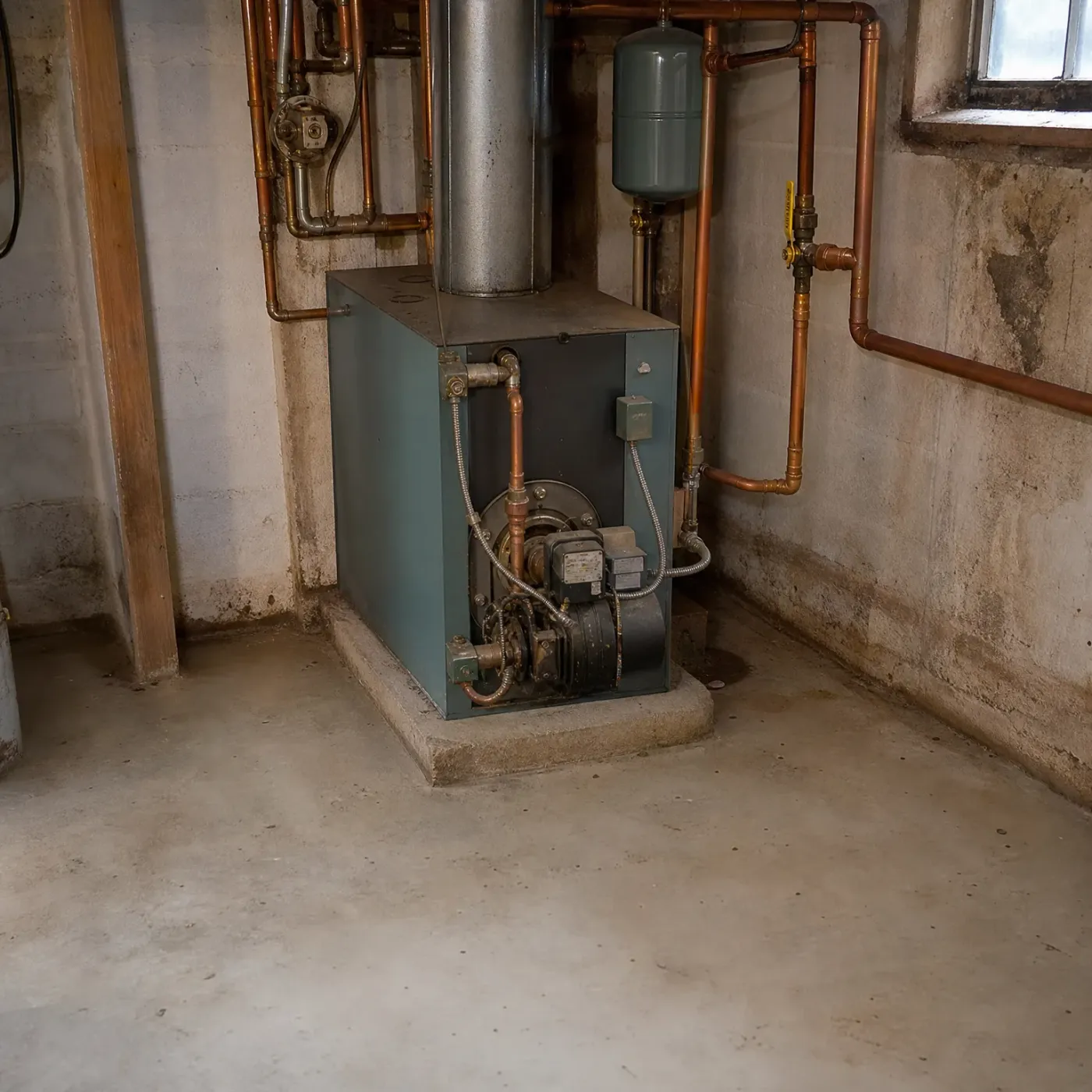
An older blue boiler with a burner unit stands in a concrete basement corner, connected to copper and steel piping, valves and a gray expansion tank on the wall.

Boiler showing its age

An older oil-fired boiler like this one has had years for valves and circulators to wear and for sediment to build up in the piping. With more zones and more joints, there's more that can stick or clog, and a cold radiator here can take a closer look to run down.

A woman with long wavy brown hair in a grey ribbed sweater sits on a couch indoors, looking toward a window, with a potted palm-like plant and fireplace behind her.
A woman with long brown hair wearing a green V-neck top and beige cardigan sits on a light sofa, looking off to the side, with a dining table, lamp and framed picture in the background.
A woman with long dark hair in a cream knit sweater sits on a beige sofa indoors, looking toward a bright window with a houseplant and framed picture in the background.
A woman with long dark hair in a green knit sweater sits on a couch indoors, smiling and looking toward a window with a blurred room behind her.
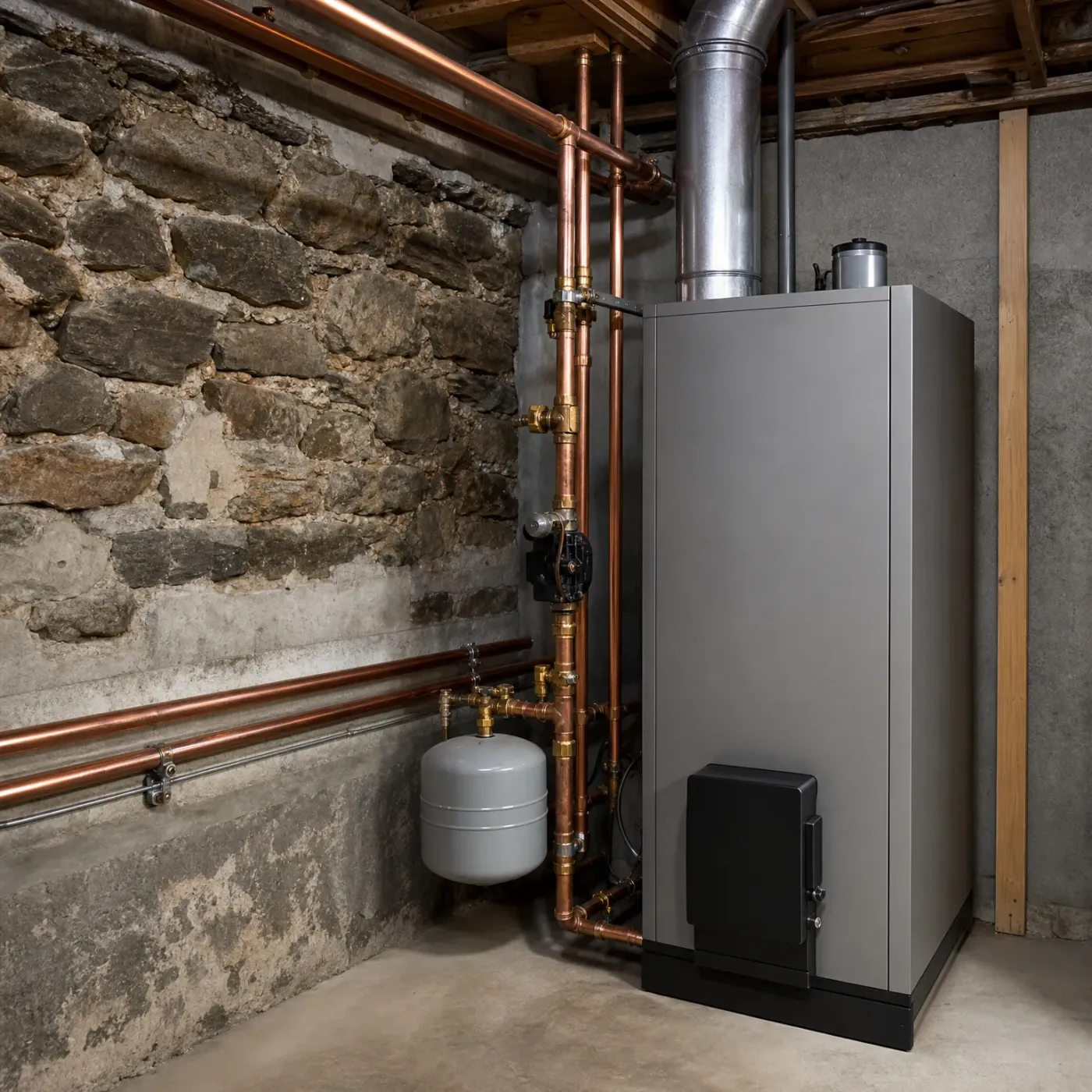
A gray boiler unit with a metal flue stands in a basement beside copper piping, valves and a small expansion tank, against a stone and concrete wall with wooden joists overhead.

Get the right pro for your boiler

Your request goes to one pro, not a list of companies.

Tell a local repair pro what your boiler is doing.

Get my match

You only hire the pro if you want to.

What does the cold radiator tell you about the rest of the room

Walk up to it and you'll feel the difference right away. The bottom might be warm while the top stays cold, or the whole thing is cold end to end while the pipe going into it is warm to the touch. You might hear a gurgle in the pipes when the heat kicks on, or nothing at all. The room itself runs a few degrees colder than the rest of the house, and if it's a bedroom, that's the room where someone's actually trying to sleep warm. Left alone, a trapped air pocket doesn't go away on its own, and a stuck valve can seize up further the longer it sits unused.

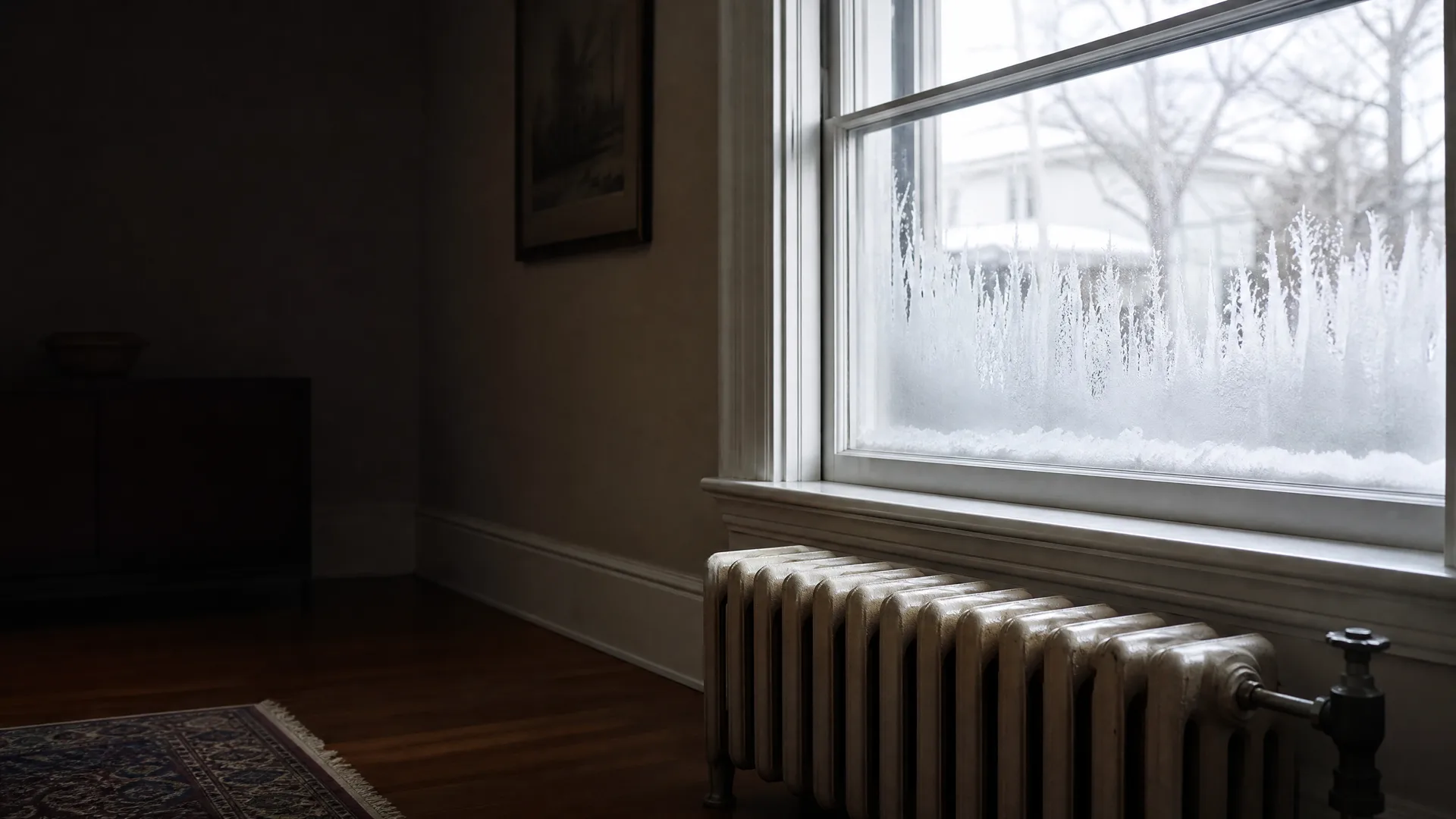
A cast-iron radiator with a valve sits beneath a frost-covered window in a dim room with dark wood floor, a patterned rug, a framed picture, and a low cabinet.

You're up before the rest of the house, like you are most January mornings, and the living room is the one room that never warms up right. The window over the radiator has gone white with ice on the inside, and you can see your breath for a second before the rest of the rooms catch up. You put your palm flat on the radiator's top ridges. Cold. You move it down to the bottom. Also cold. Down the hall, the kitchen radiator is already ticking and hissing, doing its job. You stand there in your coat, waiting on coffee, wondering if it's worth bleeding this one again before everyone else is up and asking why the living room still feels like outside.
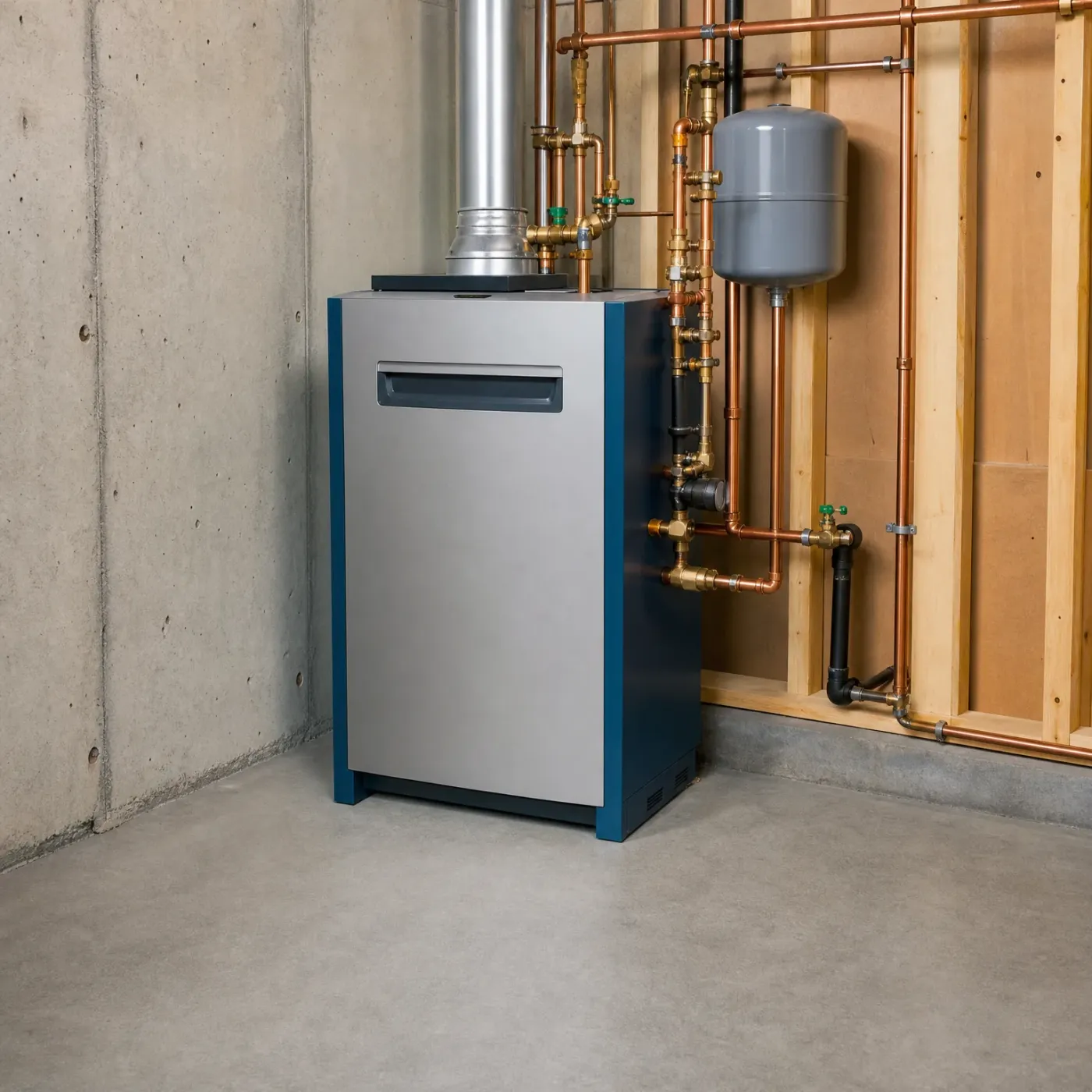
A gray and blue floor-standing boiler in a basement corner, with a metal flue pipe and copper and black piping, valves, and a gray expansion tank mounted on an unfinished wood-framed wall beside a concrete wall.
This boiler is tied into a full loop of copper and black iron, with an expansion tank sized to the system and every joint holding pressure as it should.
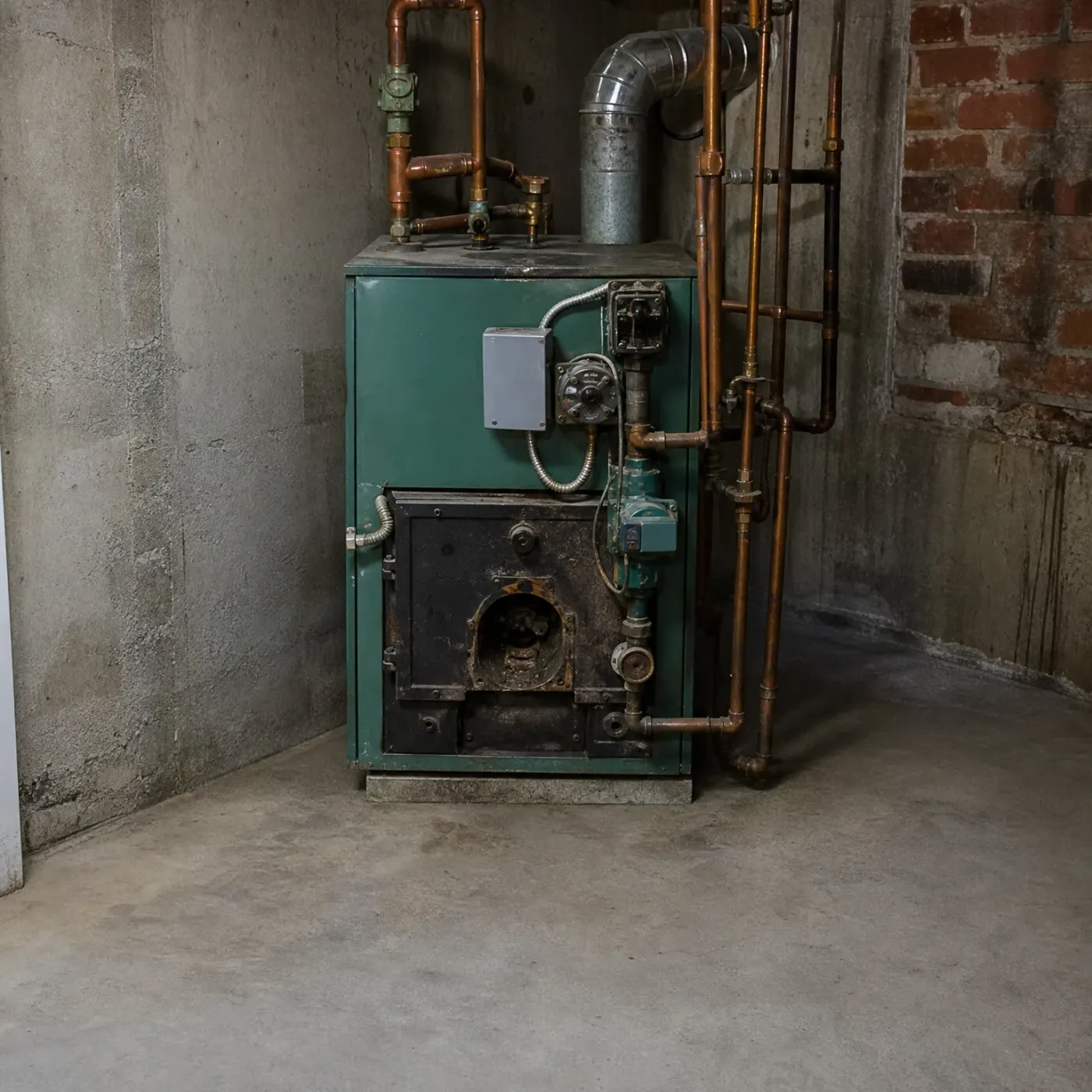
A green oil-fired boiler with a flue pipe, burner and circulator pumps sits on a concrete pad in a basement corner, surrounded by copper piping and an expansion tank against concrete walls.
This oil-fired boiler sits on its pad with the flue drafting right, but a cold radiator somewhere on that loop means air or a valve is cutting it off from the rest.

Where to actually look

  • A single-pipe steam radiator has one valve at the bottom and an air vent on the side near the top, and the vent is what's usually clogged.
  • On a hot water loop, the air vent is a small cap on the radiator's top corner, and turning it releases trapped air, not water pressure.
  • A steam radiator's inlet valve should be either fully open or fully closed, since running it half open causes the banging and cold spots people blame on the boiler.
  • If the radiator is cold at the bottom and warm at the top on a steam system, the problem usually sits in the near-boiler piping, not that radiator.
  • A circulator pump failing to push water to one zone will leave every radiator on that zone cold at the same time, not just one.
  • Pitch matters on steam radiators: if one has settled and tilts away from the valve, condensate pools inside and keeps it from filling with steam.

Most of this comes down to a part most people never notice until it fails. On a one-pipe steam radiator, there's a single valve at the bottom that lets steam in, and a small air vent near the top on the side. The vent has a tiny hole that lets air escape so steam can fill the radiator, and that hole is what clogs with mineral buildup over time. When it's clogged, air has nowhere to go, so the radiator stays cold no matter how long the boiler runs. On a hot water system, the vent is a cap on the top corner, and it releases air, not water, so don't expect a rush of pressure when you open it.

The valve itself matters on steam systems. It's built to be fully open or fully closed. Left halfway, it throttles the steam unevenly and causes the banging and cold spots that get blamed on the boiler when the valve is the actual cause.

Pitch is the other thing worth checking. Steam radiators are set with a slight tilt back toward the valve so condensed water runs back out as it forms. If a radiator has settled flat or tips the wrong way, that water pools inside instead of draining, and steam can't push past it to fill the radiator.

If the cold spot sits in the near-boiler piping instead of the radiator, or if a whole zone is cold at once, the fix isn't something you bleed or tilt. That's a circulator or piping issue, and it's worth having someone who works on these systems locally take a look before the cold spreads to more than one room.

Winter nights average 24°F statewide

Statewide, the overnight low runs about 24°F through December, January and February. Your boiler has to push hot water or steam to every radiator for hours on end to keep up with that, and the one that isn't getting its full share is going to be the room you notice first.

NOAA nClimDiv 1991-2020 county normals weighted by homes

A green cast-iron boiler with a soot-stained front door, copper piping and a metal flue, standing on a concrete floor in a basement corner with concrete and brick walls.
Before you get your boiler repair
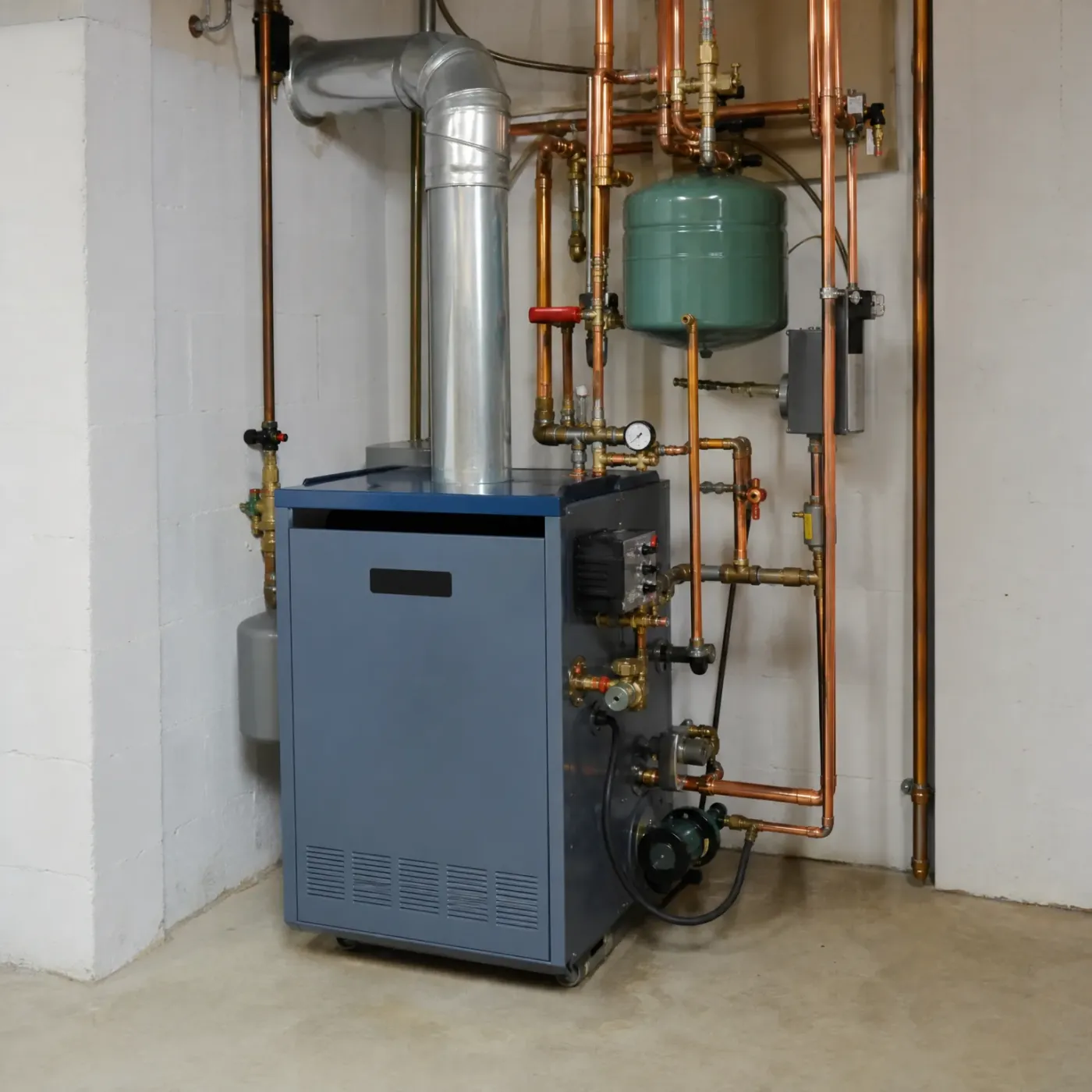
A blue-gray residential boiler in a basement corner, connected to copper piping, a green expansion tank, a circulator pump, gauges, and a metal flue pipe against painted block walls.
After you get your boiler repair
Exterior of a gray horizontal-lap-sided building with a snow-covered roof edge and a central downspout, seen during falling snow with deep snow on the ground and bare tree branches above.

New York winter nights average 24°F statewide, according to NOAA. At that temperature, a boiler isn't cycling on and off a few times an hour, it's running close to steady, sending hot water or steam to every radiator in the house for most of the night. A radiator with trapped air or a stuck valve can keep up when the load is light, but at 24°F outside there's no slack left in the system, and that's when the cold spot shows itself. You'll notice it most in the early morning, when the room with the bad radiator still feels like the door's been left open while the rest of the house is warm.

NOAA nClimDiv 1991-2020 county normals weighted by homes

A gray-haired woman in a cream knit sweater stands in a dimly lit kitchen at night, looking to her right, with a round loaf of bread in the foreground and a dark window and potted plant behind her.
A woman with her hair in a bun holds a sleeping young child against her chest, both wrapped in a textured beige knit blanket on a sofa in a dimly lit room with a lamp, framed picture, and bookshelf behind them.
A smiling man in a denim shirt and white t-shirt stands in an open dark doorway of a stucco house, facing a woman with long brown hair and a green jacket seen from behind in the foreground.

One radiator, one cause, one fix

By now you've probably narrowed it to air in the line, a stuck valve, or a steam system that needs balancing. Which one it is comes down to what you felt when you checked that radiator, and that's worth knowing before anyone touches your boiler. A problem you can name gets fixed faster than one you can't.

A boiler tech who works on these systems all winter has usually seen your exact setup before, the same piping, the same valve, the same spot where air likes to collect. That's who gets matched to your call, one licensed contractor local to you, not a handful of companies competing for your callback. They'll ask what you already found and go from there, so the visit starts at the fix instead of back at square one.

A gray upholstered sofa with a matching cushion sits beside a potted plant and a wooden table holding a small green plant in a stone pot, near a curtained window.
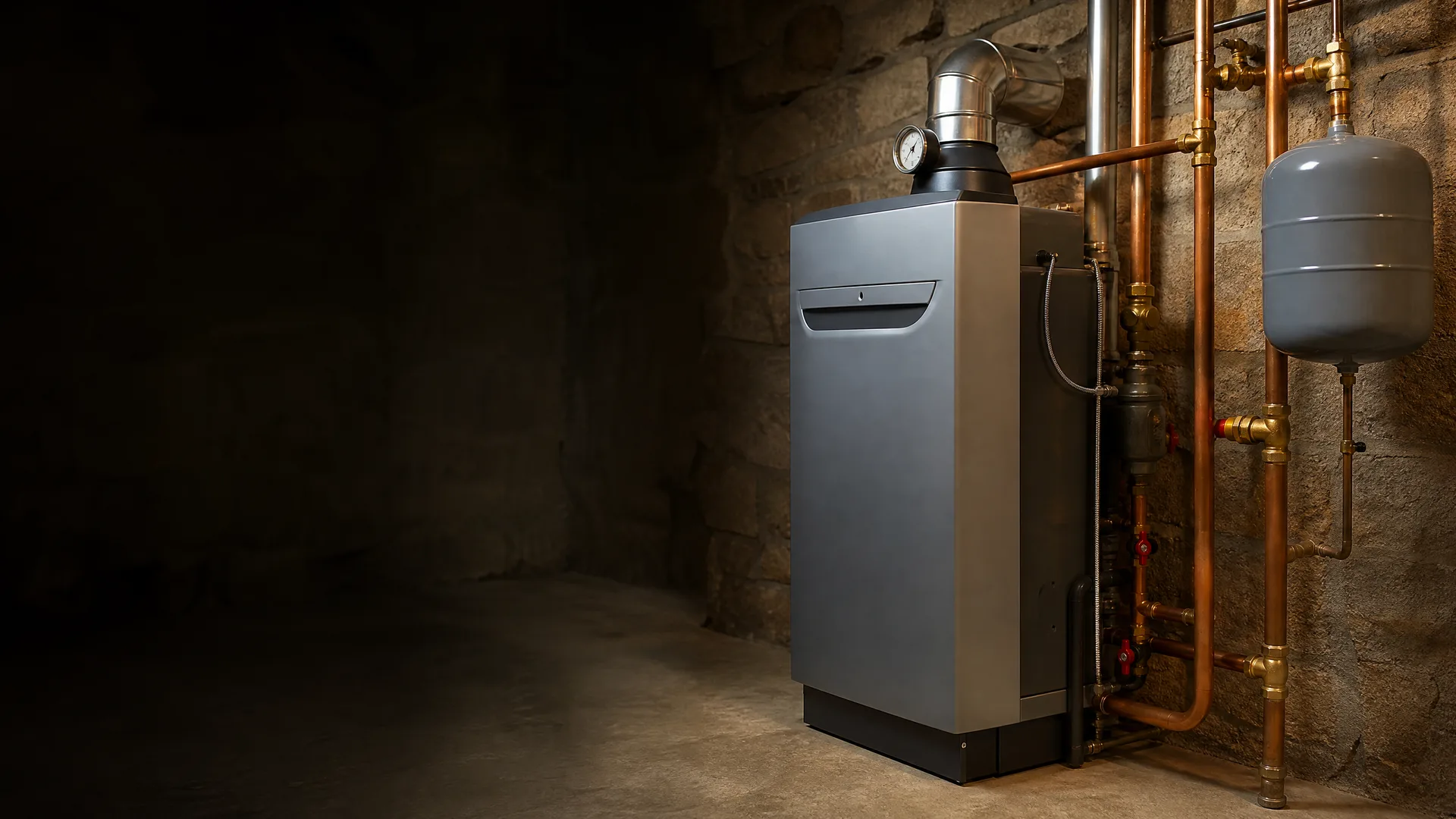
A gray floor-standing boiler with a flue pipe and pressure gauge stands against a stone basement wall, connected to copper and brass piping and a gray expansion tank.

A pro who works on boilers

Step 1 of 3: Equipment