

Water moving where it should
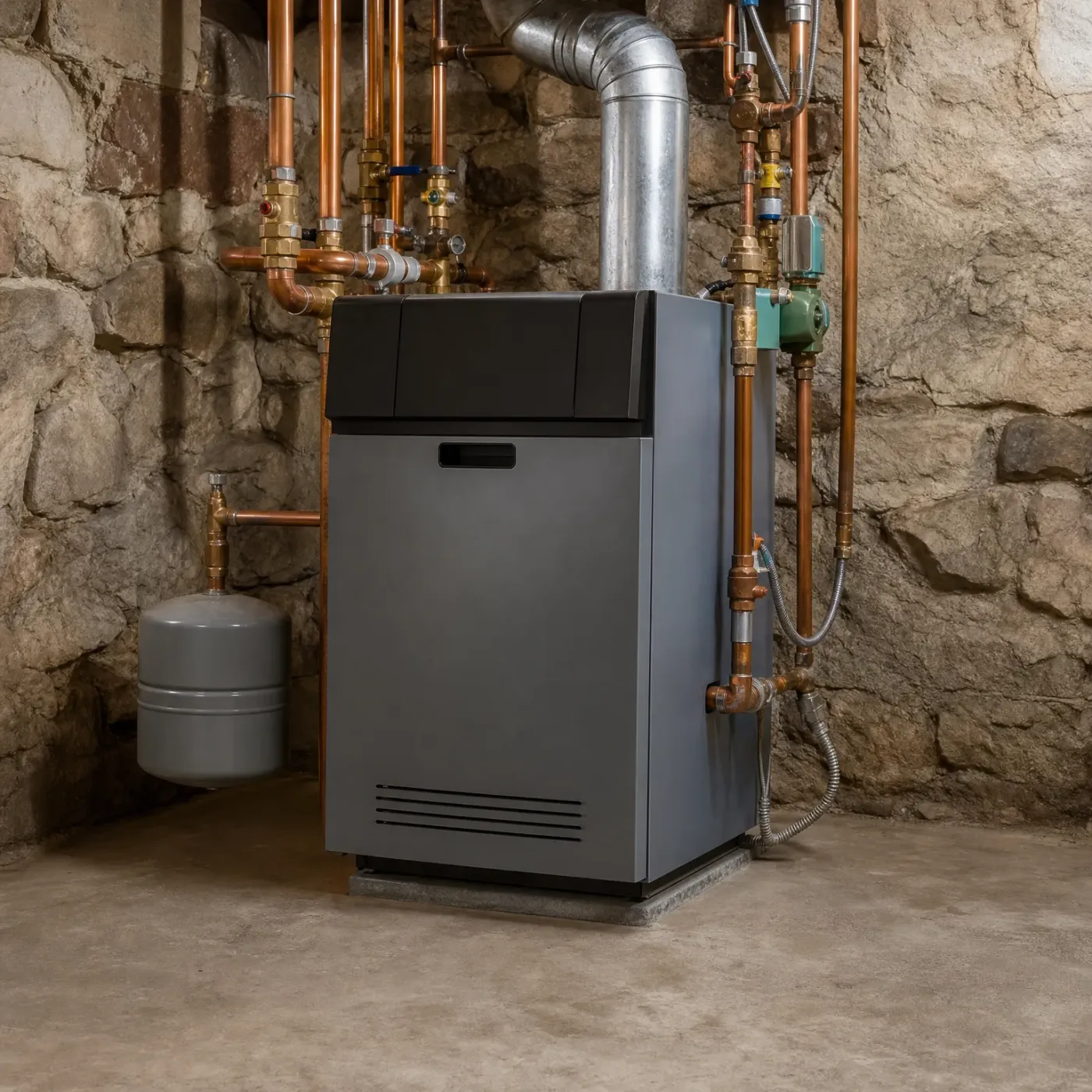
This is a boiler that's been bled. The copper lines run full, the expansion tank holds steady, and every radiator on the loop gets hot water end to end. No valve needs touching until next fall.
A local pro who knows boilers gets your details and gets in touch.
Match me with a proBleeding a radiator means opening the small valve at its end to let trapped air out, so water can fill the whole radiator again. Air gets in over the months the system sits idle through the summer, and it collects at the top, so the top of the radiator stays cool while the bottom gets hot. Before the cold sets in for real, go radiator by radiator with the key or screwdriver that fits your valve, hold a cloth under it, and open it just enough to hear the hiss. Close it the moment water starts to come out steady, not sputtering. Check the boiler's pressure gauge when you're done, since bleeding drops it, and top it back up if the gauge reads low. A radiator that heats evenly after this means it's ready. One that still runs cold on top points to something past air, worth a second look before the first real cold night.





Put your hand on the radiator once the boiler's running. If the bottom is hot and the top stays cool, that's trapped air, and it means the boiler is working harder to heat the same room. Over a long New York winter that adds up on the bill, since power here isn't cheap and a boiler pushing water through an air pocket runs longer to do it.
Left alone, it's more than a cold spot. The trapped air lets the water inside sit and corrode the metal, and a radiator that's never bled tends to be the one that eventually leaks or knocks and bangs at night. If you'd rather have someone check the whole system while they're at it, pressure, valves, the works, you can get matched with a plumber who handles this kind of work and have them reach out, instead of calling around yourself to find one.

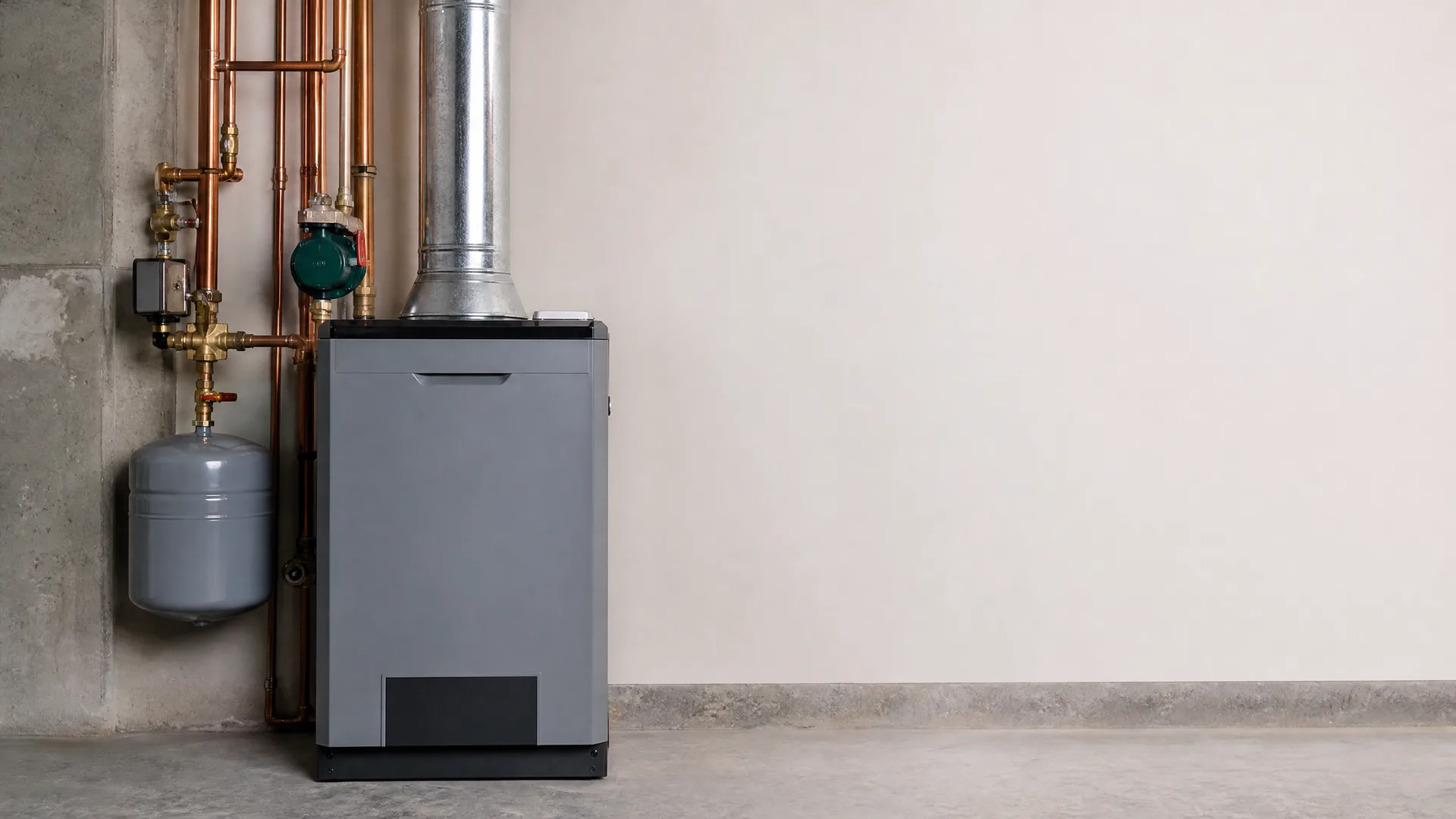
A one-pipe steam radiator has a single valve, and that valve usually has a small air vent built in rather than a key. Hot water radiators have a bleed valve at the top you open with a key or screwdriver until water runs out steady. Knowing which type is on your wall tells you what you're actually opening before you touch it.
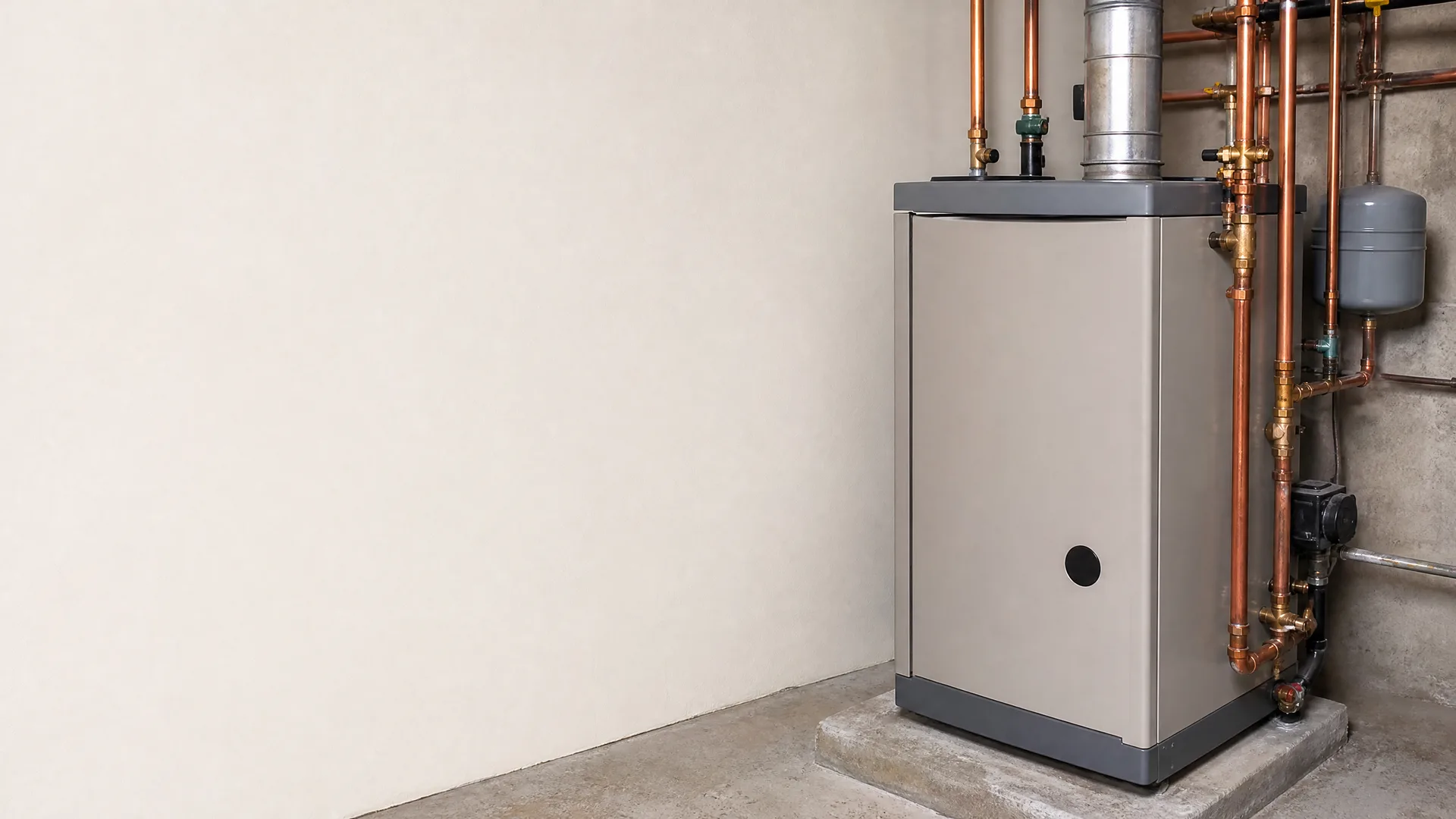
If your building has radiators on more than one floor, start with the lowest one and work your way up. Air rises through the system, so the upper radiators tend to hold more of it. Going in order keeps you from bleeding the same one twice while a floor above still has air pushing down into it.
If you've started keeping a space heater by the couch, or you notice yourself checking the thermostat more than you used to, trapped air is a likely reason. A radiator with air at the top heats less water, so it gives off less heat, and the boiler runs longer trying to make up the difference. You'll hear it too, a faint gurgle or knock from the pipes as steam or water tries to push past the air pocket. Left alone through a full New York winter, that extra runtime shows up on the gas bill, and the boiler logs more hours than the house actually needed.
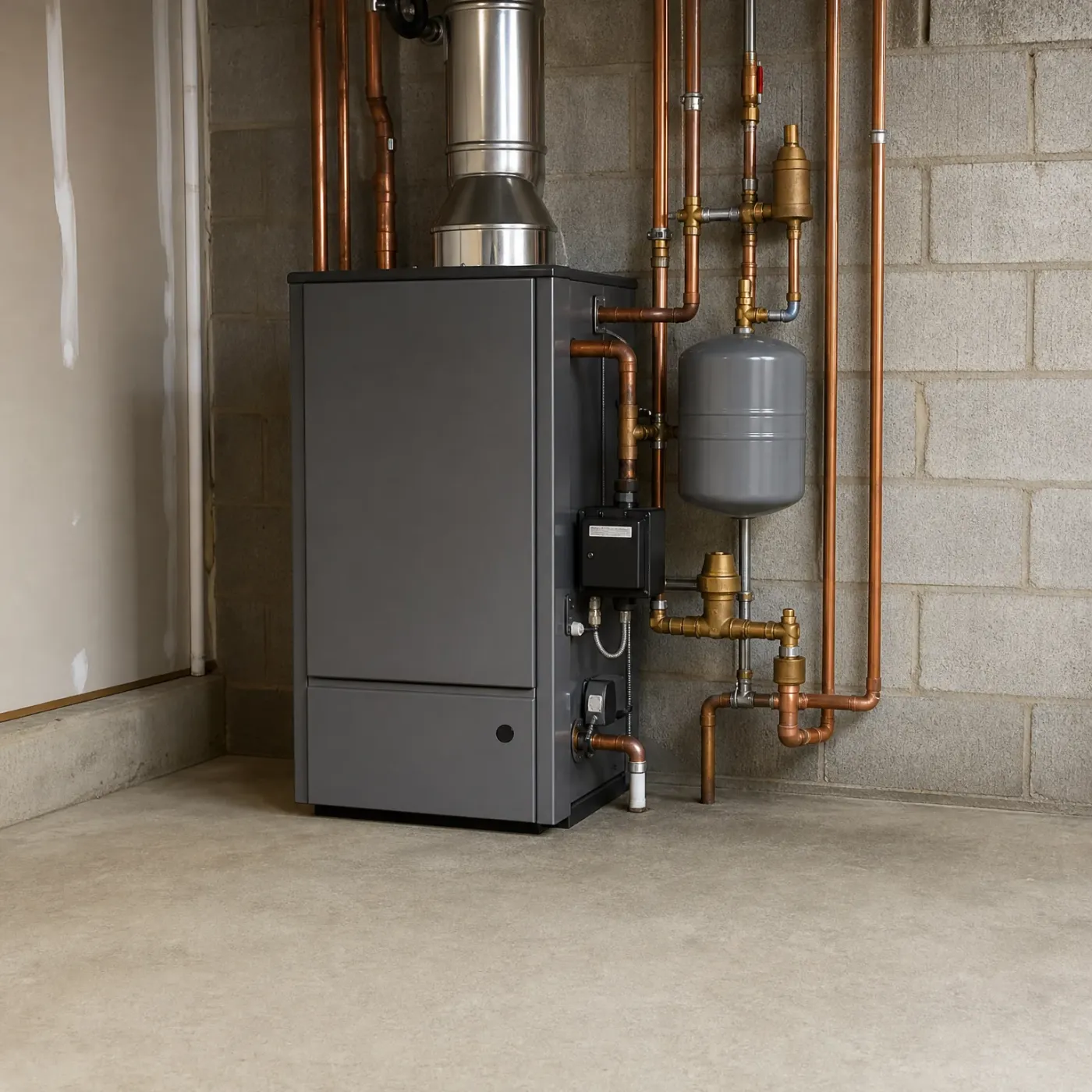
This is a boiler that's been bled. The copper lines run full, the expansion tank holds steady, and every radiator on the loop gets hot water end to end. No valve needs touching until next fall.
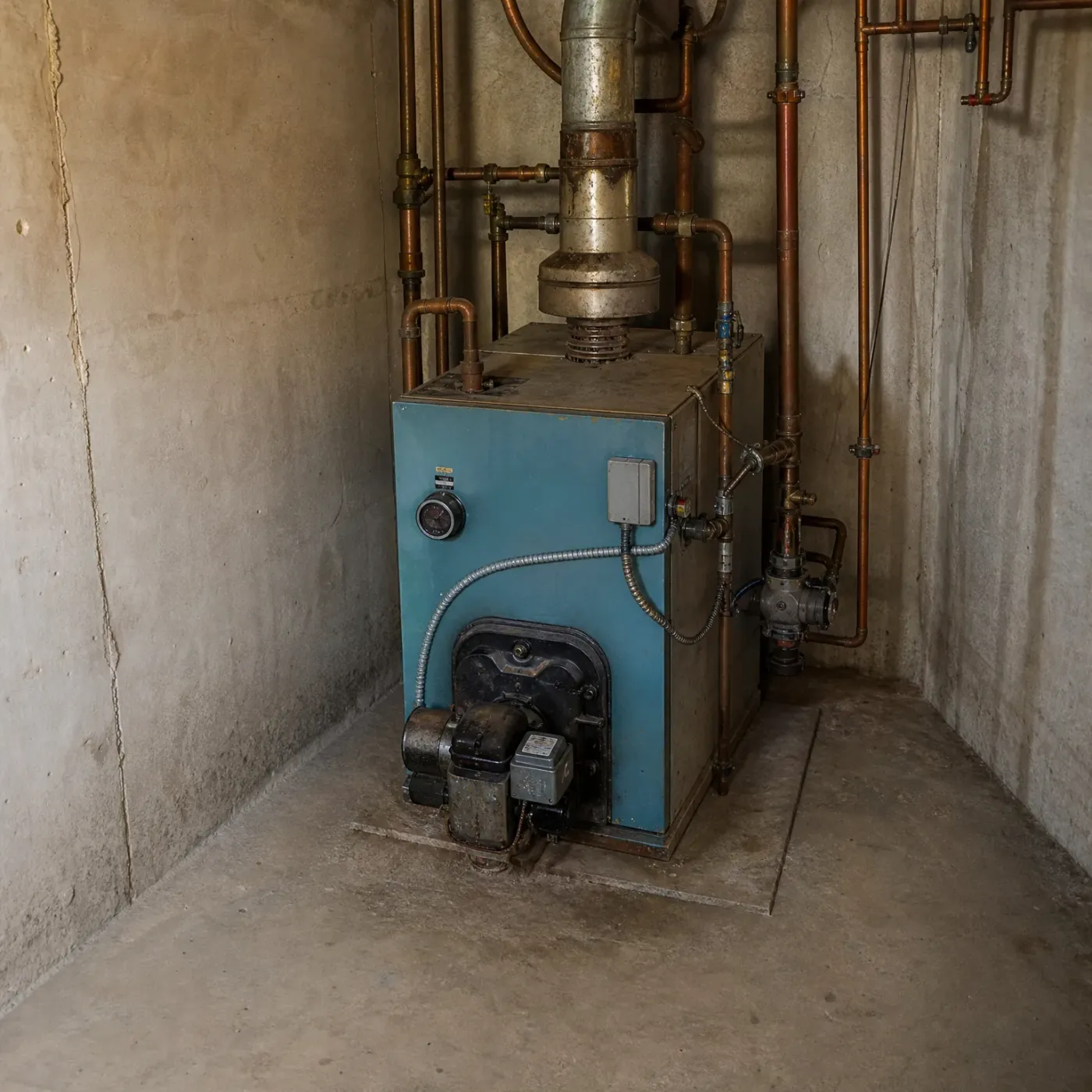
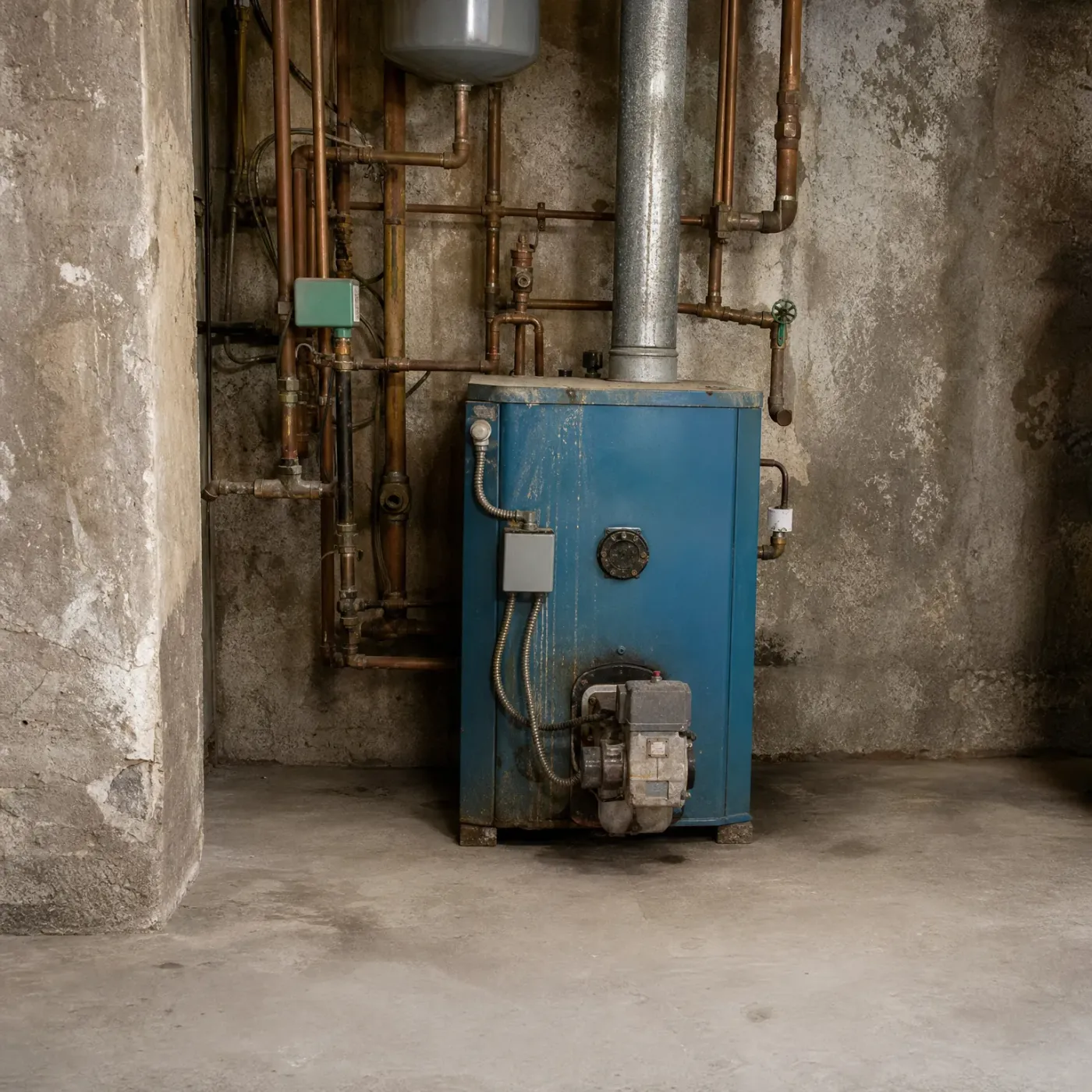
This older unit is still working, but if its radiators haven't been bled, the burner fires more often to make up for rooms that won't hold heat. Left alone through a New York winter, that's a boiler running longer than it needs to.


You already know which rooms run cold and which radiators you've been avoiding. Bleeding them yourself means finding the right key, working around a boiler you may not know well, and doing it room by room before the first real cold snap hits. With gas heat and New York power prices, a system fighting trapped air all winter costs you more every month it goes unbled. A contractor who does this regularly can get through a whole house faster than you'll get through half of it, and check the boiler's pressure and expansion tank while they're there, things a key alone won't tell you about. Instead of calling around to find someone who'll take on a job this small, answer a few questions here and a contractor who covers your area follows up with you directly. That's one less thing to manage before winter, on top of everything else that comes with owning a place.
Once nights settle into the low 20s, your boiler is running long stretches to keep ahead of the cold, not just cycling on and off. Any radiator holding air works against that the whole night. Bleeding them now means the heat you're paying for actually reaches every room.
NOAA nClimDiv 1991-2020 county normals weighted by homes
A radiator with trapped air stays cool at the top no matter how long the boiler runs, and the fix is the same five minutes it's always been: open the valve, let the air out, close it once water comes through steady. That's true whether it's a one-pipe steam radiator with a built-in air vent or a hot water radiator you bleed with a key. Once it's done, there's nothing else to check. The boiler isn't working around a problem anymore, and every radiator on the loop is pulling its weight.
The part that takes real effort isn't the bleeding. It's figuring out which rooms run cold, tracking down the right key, working a boiler you didn't install and don't service, and doing all of it before the first hard freeze instead of during one. If something about the boiler itself seems off while you're going room to room, that's not a job to guess at.
That's the part a contractor takes off your plate. Instead of searching around, calling a few places, and explaining the same cold-spot problem more than once, you get matched with someone who already knows this work and reaches out to you. The radiators still need bleeding. You just stop being the one who has to sort out who does it.

The right pro for this job