 Let a pro reach out
How long a boiler lasts in New York
Send the form and the search for an installer is over.
A gas boiler in New York usually runs 15 to 20 years. Some make it longer if the water quality is kind to the heat exchanger and nothing was ever wrong with the venting. Others start failing earlier, especially if the system has been running harder than it should for a few winters without anyone noticing.
If yours is getting old, you've probably already seen the signs. Uneven heat in parts of the house. A pilot or igniter that needs more coaxing each season. A repair bill that makes you wonder if the next one will cost more than just replacing the thing. None of that is unusual for a boiler in its second decade.
What's different in New York is what a dying boiler costs you while you wait. Power here is expensive, so if the boiler is leaning on backup electric heat or an inefficient burner is working overtime, you feel it on the bill before you feel it in the house. And winters here don't leave much room for a system to fail at the wrong time.
When it's time to replace one, the usual path is a slog. Finding a few licensed installers, waiting for callbacks, explaining the same system and the same problem to each one, then sitting with quotes that are hard to compare because nobody measured the job the same way. That's the part that eats weeks, not the installation itself.
Send the form on this page and that search becomes someone else's job instead of yours. No more chasing down contractors or repeating the story of what your boiler's been doing. Just one less thing sitting on your list while the temperature outside decides how much that matters.
A gas boiler in New York lasts about 15 to 20 years. Most homes here heat with gas, and a boiler that size is doing real work every winter, cycling on for months at a stretch to keep the house warm. That steady use is what wears it down: the heat exchanger takes the stress, the burner and controls wear with each cycle, and age catches up with all of it eventually. Hard water speeds that wear, so some boilers give out closer to 15 years while others, treated well and never neglected, run past 20. Past that point, a boiler tends to need more repairs, and each one costs more to keep an aging system limping along. If yours is in that range, it is worth knowing where you stand before a cold snap forces the decision for you.
One request and it's handed off
Skip collecting and comparing quotes for the new boiler.
Send it once and finding someone is no longer on you.
No fee to send it, and nothing to sign.

What a boiler near the end of its life looks like in your house
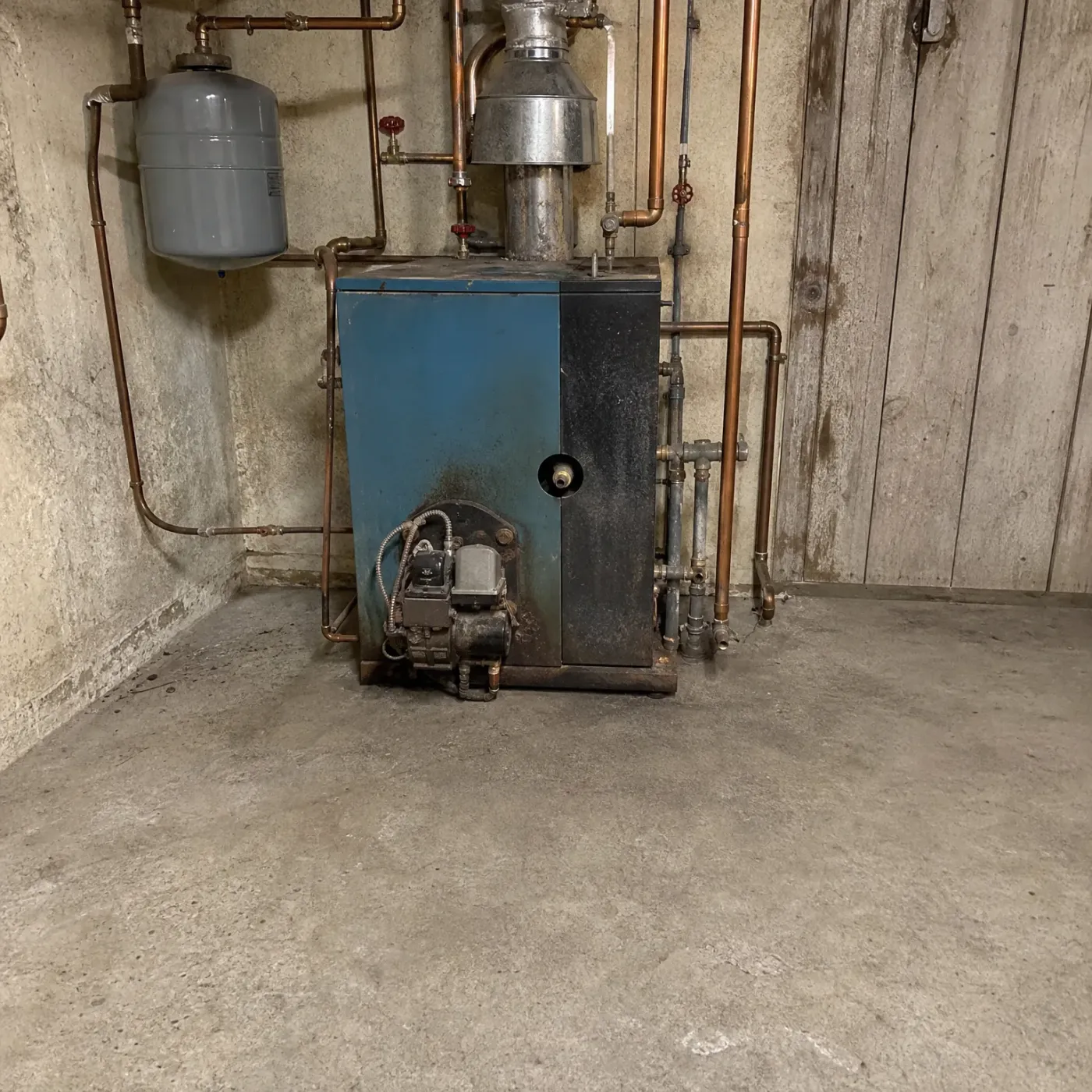
A boiler in its late teens starts to show it in small ways before it quits outright. The burner takes longer to catch. The radiators or baseboards heat unevenly, warm at one end of the house and barely warm at the other. You might hear it short cycle, kicking on and off more than it used to during a cold stretch. None of that means it's done, but it means the heat exchanger and controls are working harder to do what they used to do without effort.
When it does fail, it tends to pick a bad night to do it, and a gas boiler isn't something to troubleshoot yourself. Finding a contractor at that point usually means calling around, explaining the same problem to three or four companies, and sitting with quotes that don't line up with each other. Sending one form here skips that part. You're not left sorting through who's available and who isn't, you hear back and the rest of the search is off your plate.





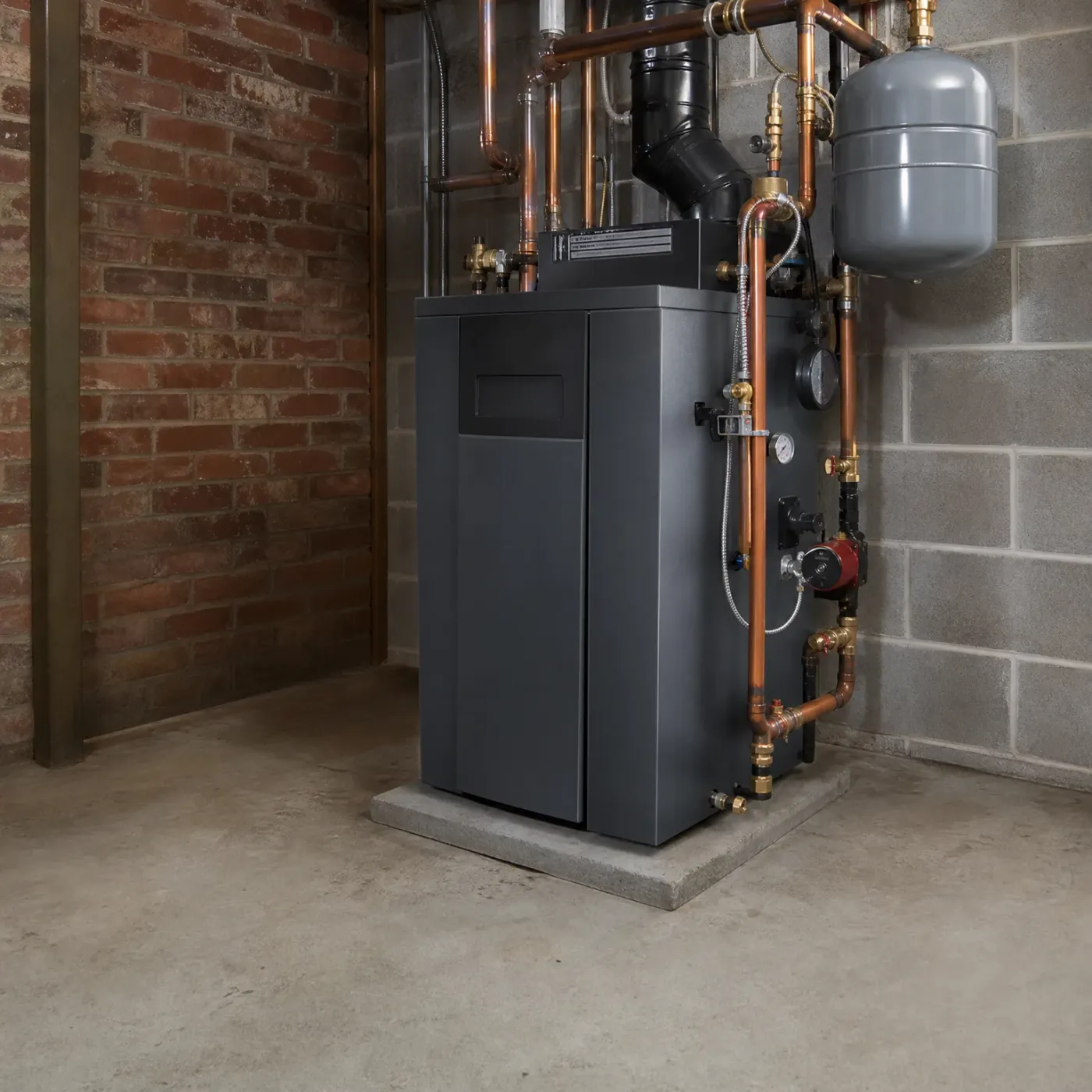
Cold water enters the boiler and fills the heat exchanger.
The burner fires and heats water moving through the exchanger.
A circulator pump pushes hot water out to radiators or baseboards.
Heat radiates into rooms as the water cools.
Winter nights average 24°F statewide
A 24°F night means your boiler is holding the house against a 50-plus degree gap for hours at a time, night after night all winter. That's the load it's built for, but it's also what ages the heat exchanger faster once the unit is past 15 years.
NOAA nClimDiv 1991-2020 county normals weighted by homes


What You Now Know
- A gas boiler in New York holds up for about 15 to 20 years before the heat exchanger or venting starts to go.
- Water quality and a venting system that's never had problems are what push a boiler past 20 years.
- Hard winter use, long burner cycles night after night, is what wears a boiler down faster than its age alone.
- Slow ignition and uneven heat at the radiators are signs a boiler is in its last winters, not its first.
- Once the form is in, you're done calling around, explaining the same problem twice, and sorting through quotes yourself.
- Where your boiler falls in that 15 to 20 year range depends on how it's been run, not just how old it is.
A gas boiler in New York runs about 15 to 20 years. Where yours lands in that range comes down to how hard it's worked, not just the date on the install sticker. Clean water, a venting system that's never acted up, and lighter cycling push a unit toward the far end. Long burner runs on the cold nights, the kind where it's holding the house against a 50-degree gap for hours, wear the heat exchanger down faster and bring that number in. By the late teens, you're watching for the burner taking its time to catch and heat that doesn't reach every radiator the same. Those are the signs a boiler is finishing out its last winters, not working through its first.
None of that tells you the exact year yours will need to be replaced, but it tells you what to watch and why. When the time comes, the harder part usually isn't the decision. It's finding someone licensed to size the job right, getting a call back, explaining the same system and the same problem to three different contractors, then sitting with quotes trying to tell them apart. Send the form once and that part is off your plate. Someone qualified takes it from there, and you go back to just keeping the house warm.
Done looking for a boiler pro
Explain the job once and skip repeating it on every call.