Tell us about the job
Takes about a minute. No obligation.
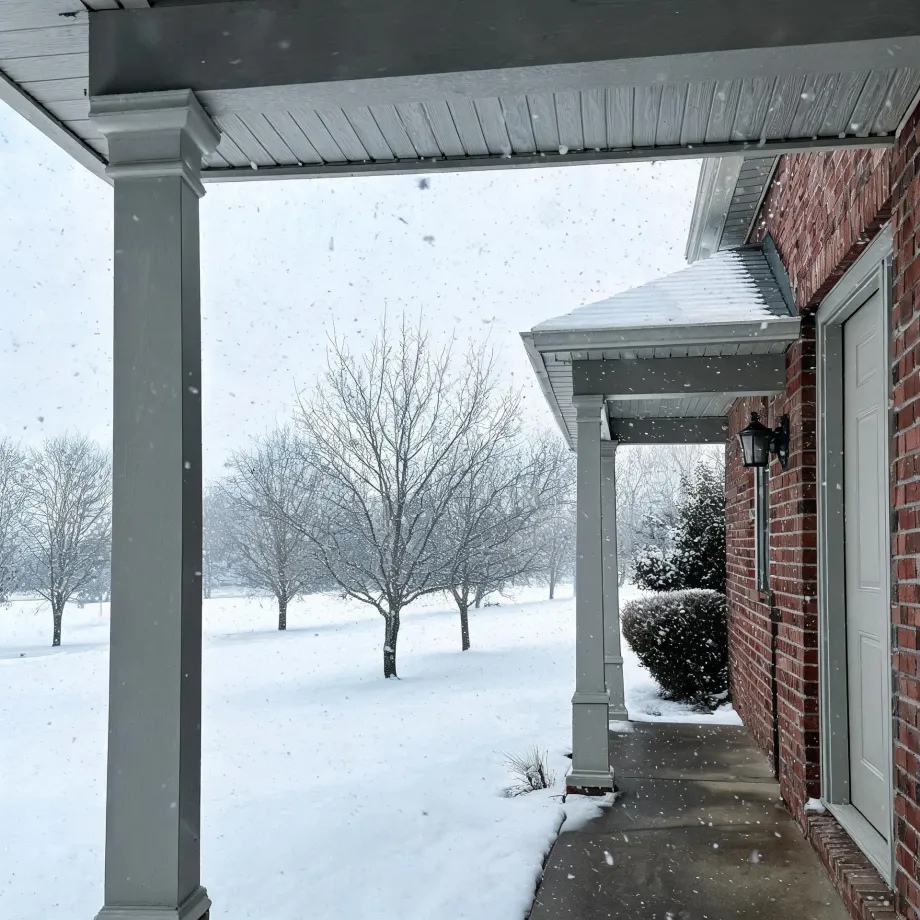
A contractor quoting boiler repair in Saratoga County has to account for how much work the system has already done before the call comes in. Homes in Saratoga County, NY run heat about nine months a year, from September through May. Burners and ignition assemblies that cycle through that kind of season don't fail at random points in their lifespan; the heat exchanger and ignition components shoulder the bulk of the load, and that load tells a contractor where to look first. A part that tests borderline in October has already been through years of extended seasons, and a contractor prices the repair accordingly.
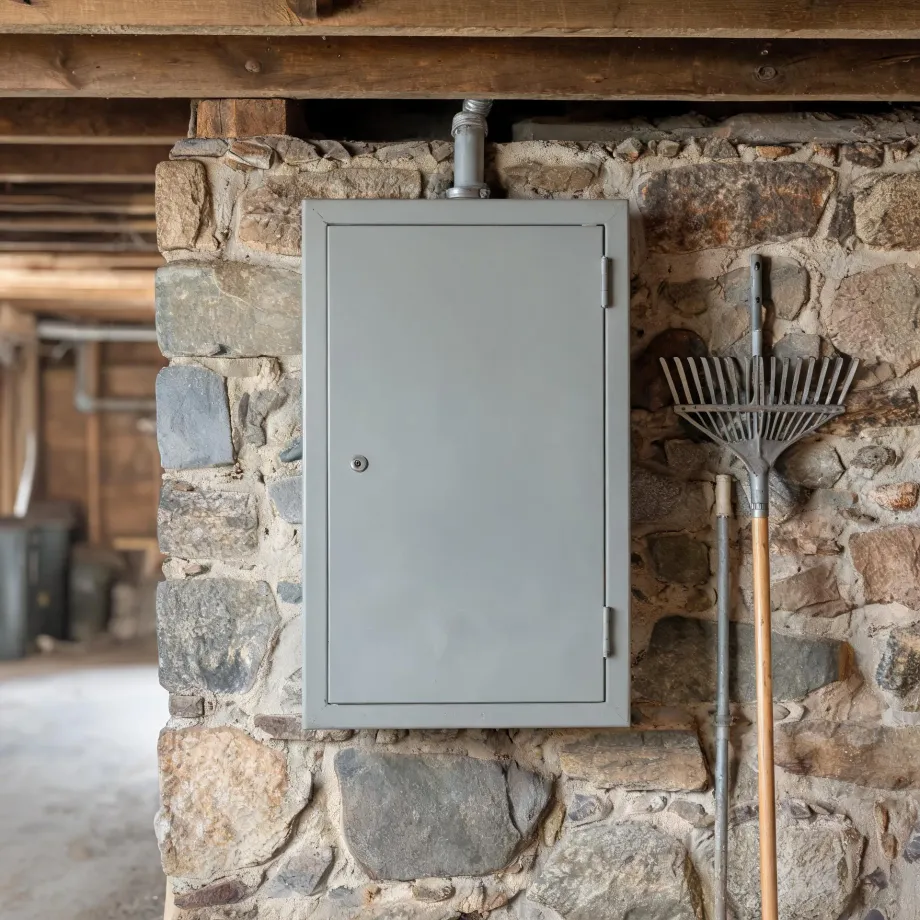
Boilers in this part of the county carry histories that show up the moment a contractor opens the jacket. Half the homes in Saratoga County, New York were built in 1984 or earlier (2020-2024 ACS 5-year). A system installed into housing of that vintage has had decades of cycling, sediment, and deferred work accumulate in its exchanger sections and zone valves. What that means for a repair is concrete: a part the system needs may exist in a salvage catalog and nowhere else, and the scope of the job turns on that answer before labor is even discussed.
The Parts of a Boiler a Contractor Checks First
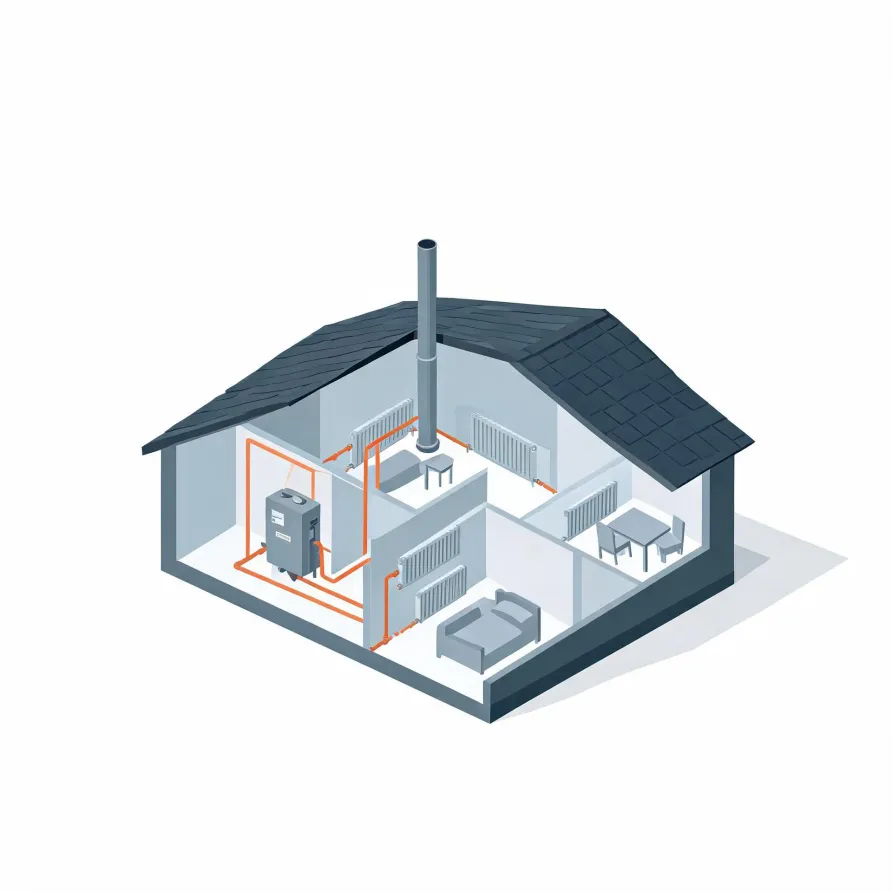
The boiler itself sits in the basement or mechanical room and is the piece a contractor goes to first. It heats water and sends it out through the system. When a boiler malfunctions, the burner assembly, heat exchanger, or pressure relief valve is often where the fault sits.
Radiators or baseboard units run through the living spaces and are what a homeowner feels when something is wrong. The circulator pump moves heated water between the boiler and those units, and the expansion tank keeps pressure stable. A failed pump or a waterlogged expansion tank shows up quickly in how the system behaves.
The drawing shows a representative layout, and a licensed contractor determines what applies to your specific system.
Get matched in Saratoga CountySaratoga County, by the numbers
512 severe weather events were recorded in Saratoga County, New York between 2015 and 2024.
NOAA National Centers for Environmental Information, Storm Events Database, bulk CSV export, events 2015-01-01 through 2024-12-31.Half the homes in Saratoga County, New York were built in 1984 or earlier (2020-2024 ACS 5-year).
U.S. Census Bureau, 2020-2024 American Community Survey 5-Year EstimatesSaratoga County, New York holds 112,109 housing units (2020-2024 ACS 5-year).
U.S. Census Bureau, 2020-2024 American Community Survey 5-Year EstimatesOwners occupy 72.3% of the occupied homes in Saratoga County, New York (2020-2024 ACS 5-year).
U.S. Census Bureau, 2020-2024 American Community Survey 5-Year EstimatesSevere Weather Events in Saratoga County
Boilers work hardest when outside conditions demand the most from them. How often that happens here shapes how much wear the equipment takes, and wear is what drives repair needs.
512 severe weather events, 2015–2024. Source: NOAA National Centers for Environmental Information, Storm Events Database.