Tell us about the job
Takes about a minute. No obligation.
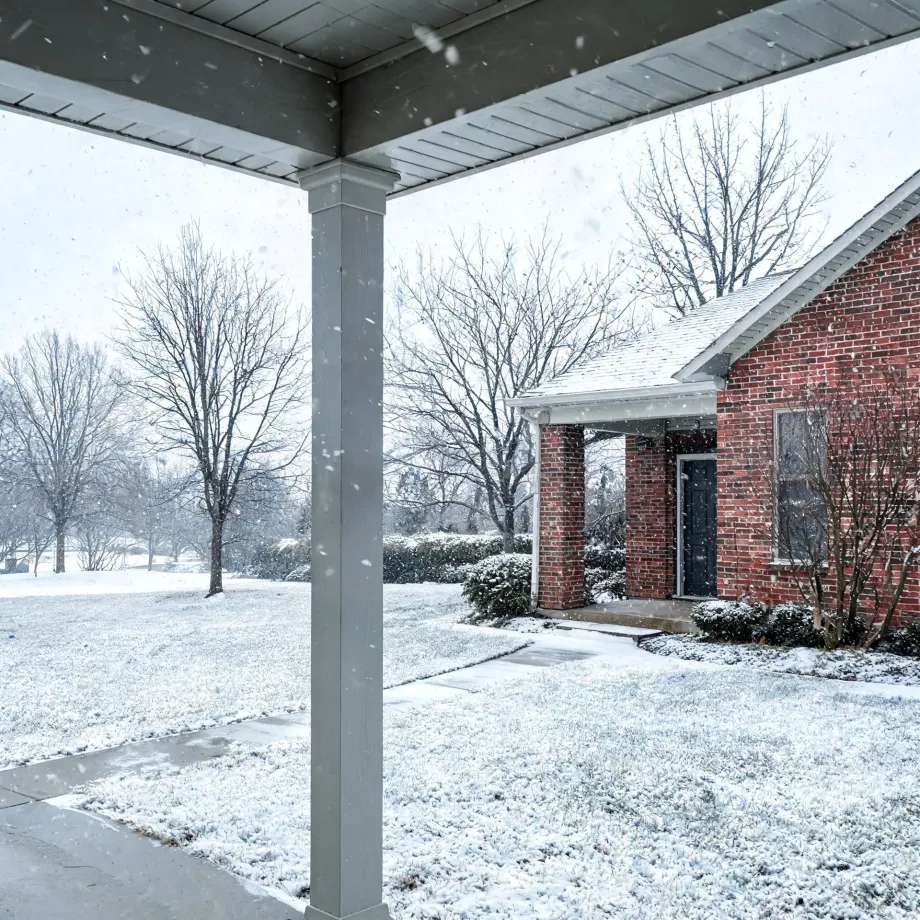
Homes in Livingston County, NY run heat about eight months a year, from October through May. A boiler here fires and shuts down repeatedly from the first cold weeks of fall through the last of spring. That cycling lands hardest on the burner assembly and the ignition system, which take the mechanical stress of every start. A contractor diagnosing a repair in this county goes to those components first, because the heat exchanger and the controls will show wear that tracks directly with that seasonal load. Sediment in the system and pressure relief behavior are next on the list.
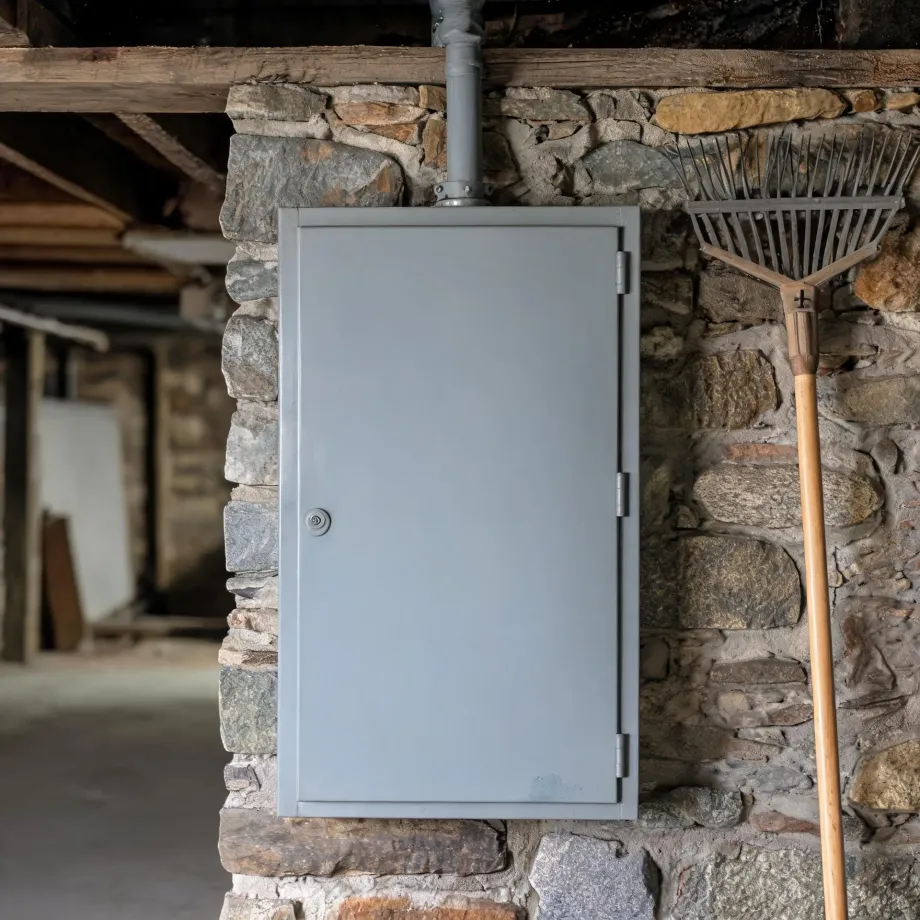
Pipes, zone valves, and expansion components in a house that old accumulate their own wear independent of the boiler itself, and a contractor opening the system often finds that what presented as a boiler fault traces back to something in the distribution loop. Half the homes in Livingston County, New York were built in 1970 or earlier (2020-2024 ACS 5-year). That share of the housing stock carries heat distribution infrastructure old enough that a repair quote can shift significantly once a contractor gets past the unit and into what feeds off it.
The Parts of a Boiler a Contractor Checks First
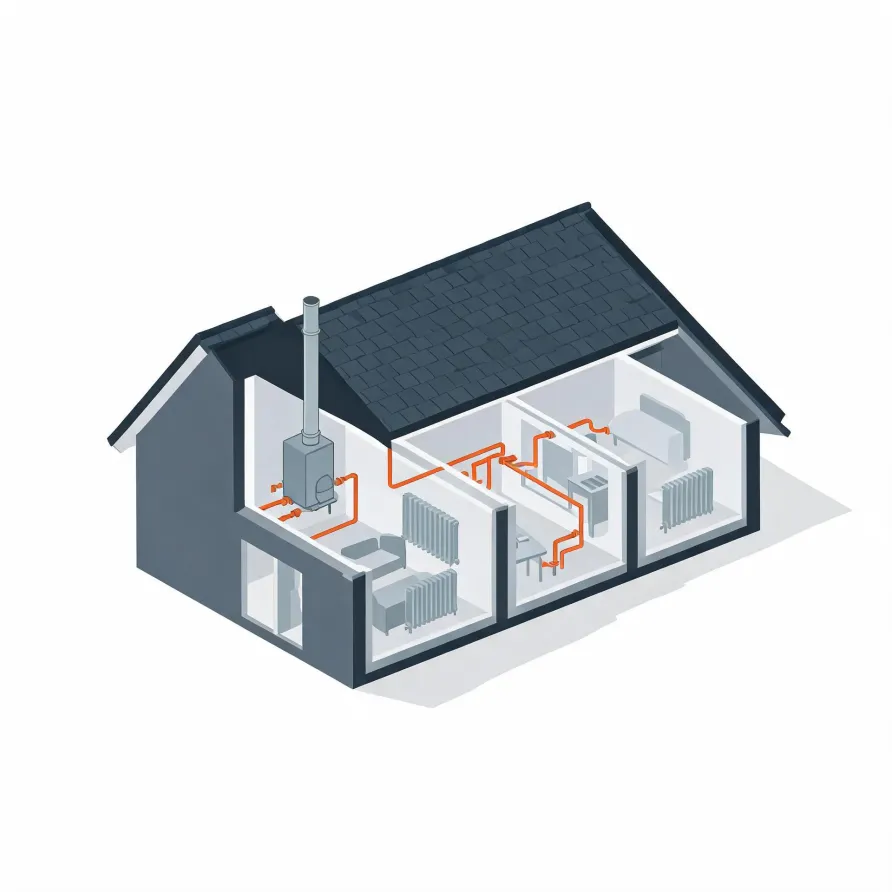
The boiler itself sits in the basement or a utility space and is the piece a contractor goes to first. It holds and heats the water. When it has gone wrong, the signs range from no heat at all to uneven heat across rooms, and the fault can lie in the burner, the heat exchanger, or the controls that tell the unit when to fire.
Radiators or baseboards sit in the living spaces and are what the homeowner feels directly. The circulator pump moves heated water from the boiler out to those terminals and back. The expansion tank and pressure relief valve sit close to the boiler and are the pieces a contractor checks when pressure readings are off.
The drawing shows a typical layout, and a licensed contractor determines which components apply to your specific system and what work each one needs.
Get matched in Livingston CountyLivingston County, by the numbers
140 severe weather events were recorded in Livingston County, New York between 2015 and 2024.
NOAA National Centers for Environmental Information, Storm Events Database, bulk CSV export, events 2015-01-01 through 2024-12-31.Half the homes in Livingston County, New York were built in 1970 or earlier (2020-2024 ACS 5-year).
U.S. Census Bureau, 2020-2024 American Community Survey 5-Year EstimatesLivingston County, New York holds 27,328 housing units (2020-2024 ACS 5-year).
U.S. Census Bureau, 2020-2024 American Community Survey 5-Year EstimatesOwners occupy 76.3% of the occupied homes in Livingston County, New York (2020-2024 ACS 5-year).
U.S. Census Bureau, 2020-2024 American Community Survey 5-Year EstimatesSevere Weather Events in Livingston County
Boilers work hardest when outdoor conditions are at their worst, and that strain accumulates over time. How often severe weather hits Livingston County shapes how hard the equipment has been pushed and what a repair technician is likely to find.
140 severe weather events, 2015–2024. Source: NOAA National Centers for Environmental Information, Storm Events Database.