Tell us about the job
Takes about a minute. No obligation.
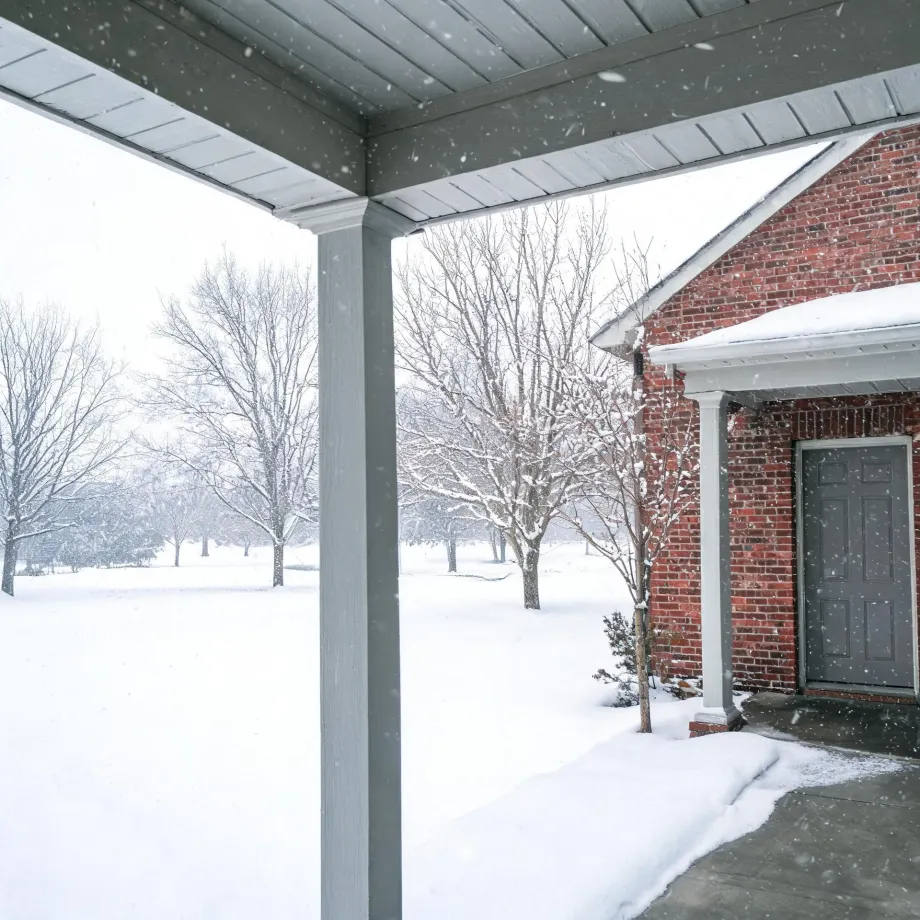
Sizing a boiler for this house is not a calculation a contractor can borrow from a milder climate. Homes in Westchester County, NY run heat about eight months a year, from October through May. The burner, the heat exchanger, and the ignition system carry that load through most of the year, which means a unit that is undersized at install starts showing stress well before a homeowner expects it. A contractor quoting a replacement here has to establish heat loss for the specific structure first, because an undersized system does not coast in Westchester winters.
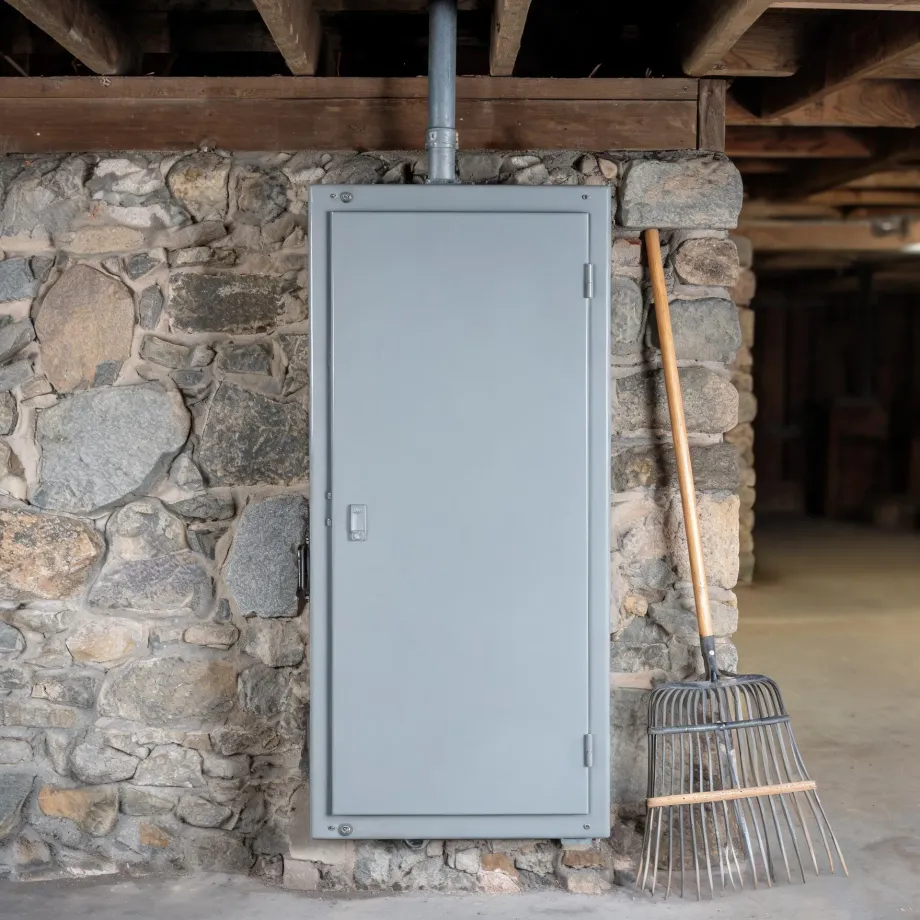
Ductwork laid out for a different era of heating does not automatically carry what a new boiler needs to push through it. Half the homes in Westchester County, New York were built in 1959 or earlier (2020-2024 ACS 5-year). A contractor quoting a boiler installation here works out early whether the existing distribution layout can handle the new system's output, or whether sections need to be rerouted, resized, or replaced. That answer shapes the job more than the boiler itself.
What a Boiler Installation Covers
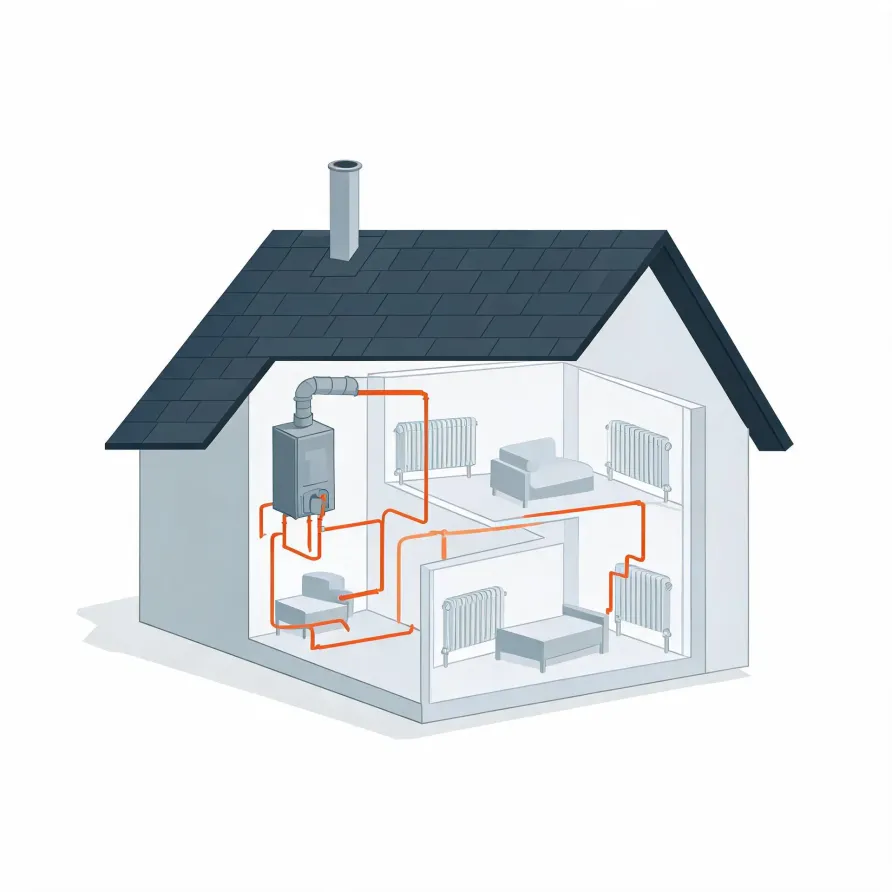
The boiler itself sits in a mechanical room, basement, or utility closet and is the unit a contractor replaces or sets in place during an installation. Paired with it is the expansion tank, which mounts nearby and absorbs pressure changes as water heats. Together these two pieces form the core of what gets put in.
Running from the boiler through the house are supply and return pipes that carry hot water to radiators, baseboard units, or radiant floor loops in each room. The circulator pump, mounted on the boiler or along the piping, moves that water through the loop. A pressure relief valve and the system controls mount at or near the boiler as part of the same installation.
The drawing shows a typical layout, and a licensed contractor determines exactly which components apply to this house and how they connect.
Get matched in Westchester CountyWestchester County, by the numbers
229 severe weather events were recorded in Westchester County, New York between 2015 and 2024.
NOAA National Centers for Environmental Information, Storm Events Database, bulk CSV export, events 2015-01-01 through 2024-12-31.Half the homes in Westchester County, New York were built in 1959 or earlier (2020-2024 ACS 5-year).
U.S. Census Bureau, 2020-2024 American Community Survey 5-Year EstimatesWestchester County, New York holds 394,358 housing units (2020-2024 ACS 5-year).
U.S. Census Bureau, 2020-2024 American Community Survey 5-Year EstimatesOwners occupy 61.8% of the occupied homes in Westchester County, New York (2020-2024 ACS 5-year).
U.S. Census Bureau, 2020-2024 American Community Survey 5-Year EstimatesSevere Weather Events in Westchester County
Extreme weather puts real stress on heating equipment, and Westchester County has its own pattern of storms, cold snaps, and hard winters that shapes how hard a boiler has to work. What that workload looks like over time is a local fact, and it bears directly on what size and type of boiler a contractor will specify for a home here.
229 severe weather events, 2015–2024. Source: NOAA National Centers for Environmental Information, Storm Events Database.