Tell us about the job
Takes about a minute. No obligation.
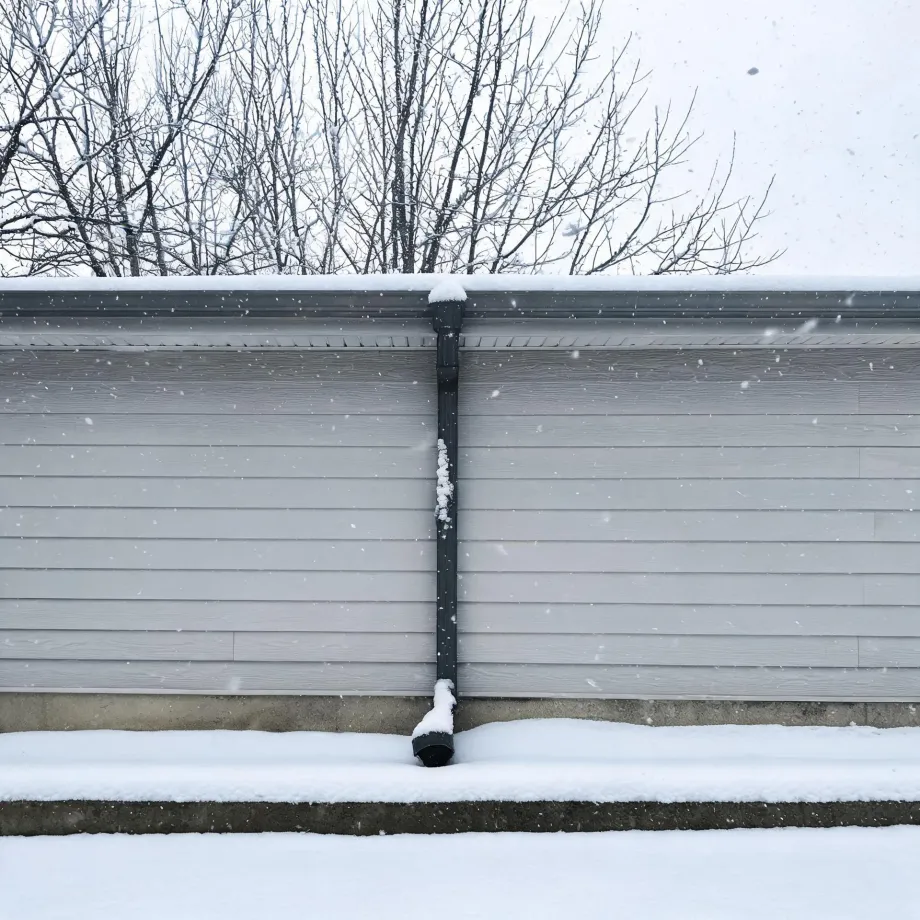
Sizing a boiler for a Seneca County home is not a step a contractor estimates loosely. Homes in Seneca County, NY run heat about eight months a year, from October through May. The burner, heat exchanger, and ignition system cycle through that span with no meaningful rest, and a unit that is undersized works harder than it was rated to sustain. A contractor has to run the load calculation against the actual envelope of the house before quoting, because a boiler that is off in either direction shows wear earlier here than it would somewhere the heating demand breaks sooner.
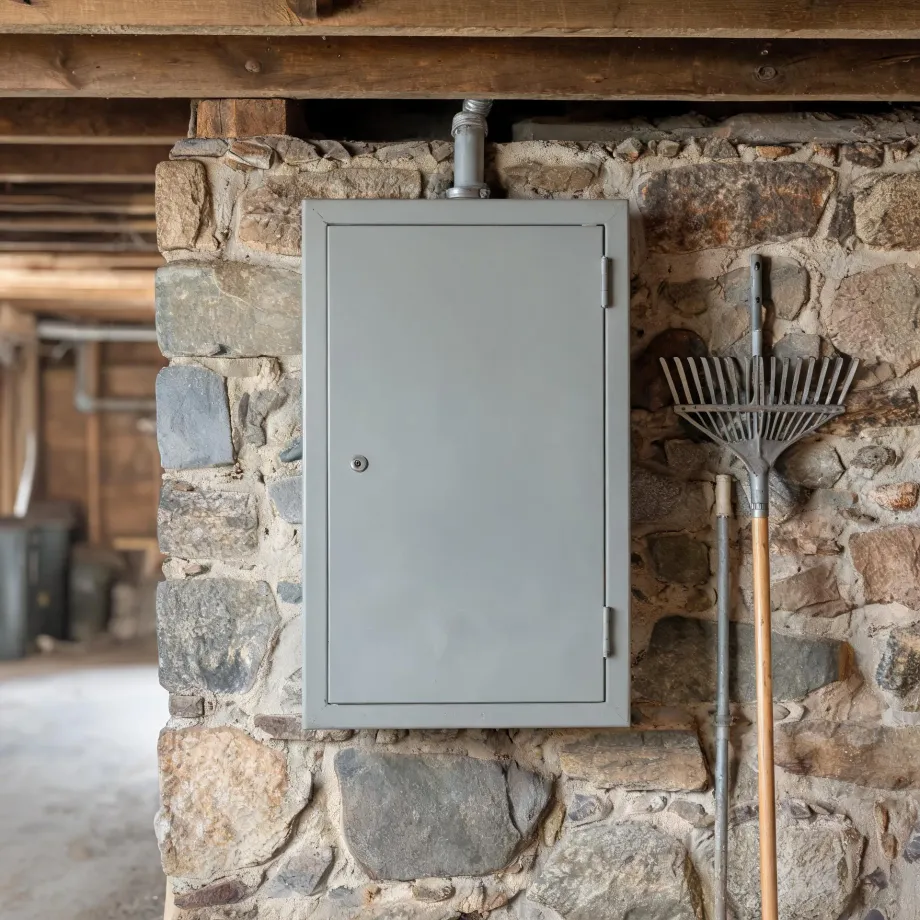
Ductwork laid in before a homeowner's parents were born was sized for a specific system, and a modern boiler is not that system. Half the homes in Seneca County, New York were built in 1959 or earlier (2020-2024 ACS 5-year). A contractor pricing a boiler installation here has to look at what the existing distribution runs can actually carry before the equipment conversation starts. If the ducting is undersized or routed for a layout that has since changed, that is where the scope grows.
What a Boiler Installation Puts in Your Home
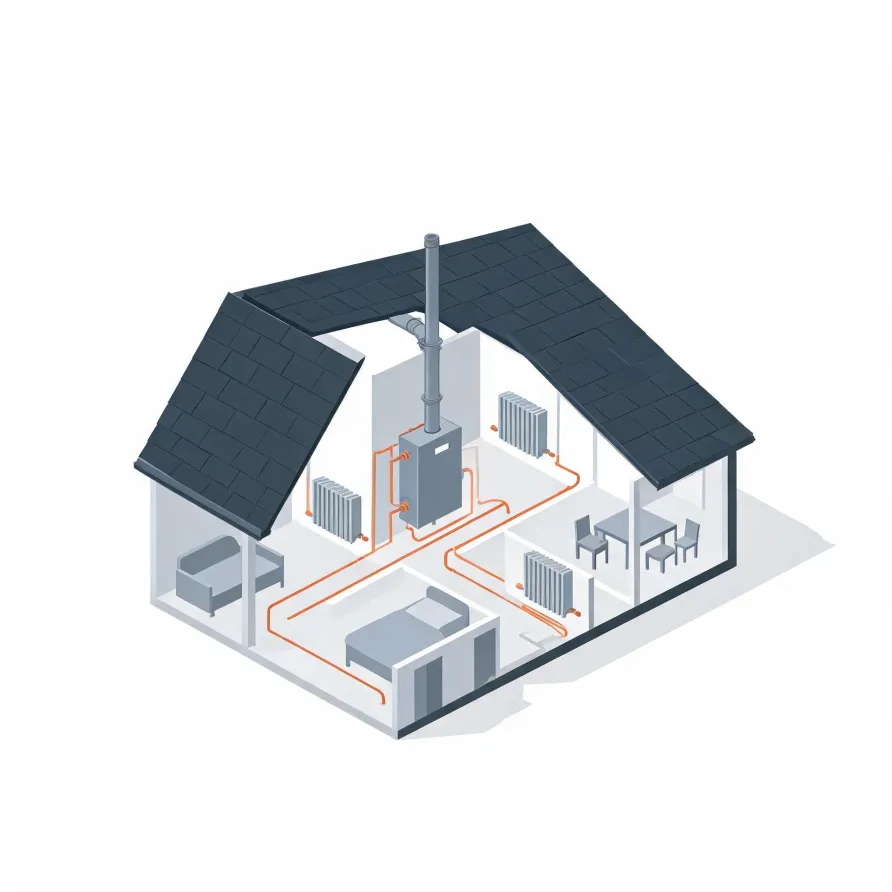
The boiler itself sits in a mechanical room, basement, or utility closet and is the piece that generates heat. A contractor mounts the expansion tank nearby, usually on the same wall or overhead piping run, to absorb pressure changes in the water as it heats and cools. The flue pipe exits the boiler and runs to an outside wall or up through the roof to exhaust combustion gases.
The circulator pump attaches directly to the boiler or the supply piping and pushes heated water through the distribution loop. Zone valves or zone controls get placed along that loop wherever the house is divided into separately controlled areas. A new thermostat or thermostat wiring ties each zone back to the boiler so the whole system responds to the rooms it serves.
The drawing shows a typical layout, and a licensed contractor determines exactly which components apply to this house and how they are arranged.
Get matched in Seneca CountySeneca County, by the record
62 severe weather events were recorded in Seneca County, New York between 2015 and 2024.
NOAA National Centers for Environmental Information, Storm Events Database, bulk CSV export, events 2015-01-01 through 2024-12-31.Half the homes in Seneca County, New York were built in 1959 or earlier (2020-2024 ACS 5-year).
U.S. Census Bureau, 2020-2024 American Community Survey 5-Year EstimatesSeneca County, New York holds 16,194 housing units (2020-2024 ACS 5-year).
U.S. Census Bureau, 2020-2024 American Community Survey 5-Year EstimatesOwners occupy 71.0% of the occupied homes in Seneca County, New York (2020-2024 ACS 5-year).
U.S. Census Bureau, 2020-2024 American Community Survey 5-Year EstimatesSevere Weather Events in Seneca County
Heating equipment in Seneca County works against whatever the local climate delivers, and that workload shapes what gets installed, how it gets sized, and how hard it runs over its life. A boiler spec that ignores local weather patterns is a guess.
62 severe weather events, 2015–2024. Source: NOAA National Centers for Environmental Information, Storm Events Database.